
Light Requirements
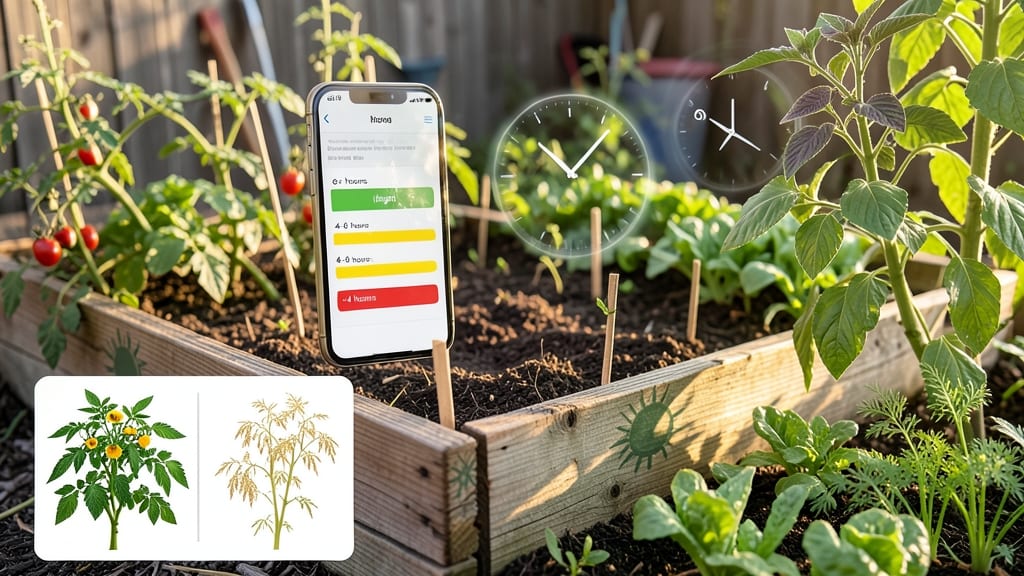
A vegetable garden needs how many hours of sun does a vegetable garden need to thrive—though some crops tolerate less, while others demand more for peak production.
Ever planted tomatoes in a shady spot only to watch them stretch toward the light like sad, leggy shadows? That’s a classic sun-misjudgment that happens to even the most seasoned gardeners.
The truth is, sunlight isn’t just about quantity—it’s about matching each plant’s needs, whether it’s leafy greens that play it cool or heavy producers like peppers that crave the heat.
Most vegetables fall into three light zones: full sun (6+ hours), partial shade (3-6 hours), or full shade (under 3 hours). But here’s the kicker—what works for lettuce won’t cut it for zucchini, and guessing wrong means wasted space or stunted harvests.
Below, I’ll break down the exact sunlight ranges for your top crops, plus how to measure your garden’s light and tweak it for success.
By the end, you’ll know not just how many hours your vegetable garden needs, but which spots to plant what—and which to skip entirely. No more sunburned basil or bolting spinach on you!


Sunlight requirements for vegetable gardens: full sun vs partial shade explained
Sunlight is the lifeblood of your vegetable garden—without enough, your plants won’t grow, flower, or produce. But here’s the catch: not all vegetables need the same amount. Understanding the difference between full sun, partial shade, and full shade is key to planning a thriving garden.
Most gardeners assume "full sun" means all-day exposure, but the science defines it as 6+ hours of direct sunlight daily. Let’s break down what this means for your crops and how to use this knowledge to maximize your harvest.
Vegetables like tomatoes, peppers, and cucumbers thrive under full sun because they’re heavy producers that need energy from sunlight to develop fruit. On the other hand, leafy greens like spinach or radishes can tolerate partial shade (3-6 hours of sun) and even perform better in cooler climates.
The trick is matching your garden’s sunlight conditions to the right crops—otherwise, you’ll end up with leggy plants, bitter flavors, or poor yields. Let’s explore the specifics so you can avoid these common pitfalls.
| Sunlight Category | Hours of Sun | Ideal Crops | Growth Impact |
|---|---|---|---|
| Full Sun | 6+ hours | Tomatoes, Peppers, Cucumbers, Corn, Eggplant | Maximizes fruit production, stronger stems, better flavor |
| Partial Shade | 3-6 hours | Lettuce, Spinach, Radishes, Green Onions, Bush Beans | Prevents bolting, keeps leaves tender, ideal for cooler climates |
| Full Shade | <3 hours | Mushrooms, Some Herbs (e.g., Parsley), Microgreens | Limited growth, poor fruiting; best for shade-loving plants only |
| Morning Sun | 3-6 hours (AM only) | Carrots, Beets, Swiss Chard | Avoids afternoon heat stress, ideal for root crops |
Why does full sun matter so much? Plants use sunlight for photosynthesis, the process that converts light into energy for growth. Crops like tomatoes and peppers need this energy to develop fruit—without enough light, they’ll produce fewer tomatoes or smaller peppers with less flavor.
Even leafy greens benefit from more sunlight, though they won’t bolt (go to seed prematurely) as quickly in partial shade. The key is balancing your garden’s sunlight with the needs of your plants to avoid stunted growth or wasted space.
Partial shade is often misunderstood. Many gardeners assume it means "a little shade," but it’s a specific range of 3-6 hours of sun. This category is perfect for cool-season crops like lettuce or spinach, which can bolt (turn bitter and flower) if exposed to too much heat.
Partial shade also protects plants from extreme afternoon sun, which can scorch leaves or stress delicate crops. If your garden has areas with dappled sunlight or afternoon shade, these spots are ideal for greens, herbs, and root vegetables.
Full shade is rare in vegetable gardens but can work for specific crops like microgreens or mushrooms. Most vegetables won’t thrive with less than 3 hours of sun, as they lack the energy needed for robust growth.
If you’re working with a shady garden, focus on shade-tolerant plants or supplement light with reflective surfaces (like white walls) to bounce extra sunlight onto your crops. This simple trick can make a big difference in productivity.
One of the biggest mistakes gardeners make is overestimating partial shade. What looks like "partial shade" in winter (when the sun is lower) might turn into full sun in summer. Always measure your garden’s sunlight for at least a week to understand how it changes with the seasons.
Use a sun calculator app or place a white board in your garden to track shadow patterns. This small effort will save you from planting the wrong crops in the wrong spots.
Seasonal adjustments are also critical. In summer, the sun is more intense, and even partial shade crops may need protection from afternoon heat. Use shade cloth (30-50% coverage) to filter light if your garden gets too hot.
Conversely, in winter, what was full sun might now only get 3-4 hours of weak sunlight. Plan your garden layout to rotate crops seasonally—plant heat-loving tomatoes in summer and cool-loving lettuce in winter for continuous harvests.
Don’t forget that soil health and watering play a role in how plants handle sunlight. Well-draining soil with plenty of organic matter helps roots absorb nutrients efficiently, while consistent watering prevents stress.
For example, tomatoes in full sun need 1-2 inches of water per week to stay productive, while spinach in partial shade
Exact sunlight hours needed by crop type: from leafy greens to heavy producers
Not all vegetables crave the same amount of sunlight, and getting this wrong can mean the difference between a bountiful harvest and wasted effort. Leafy greens like spinach and kale thrive in partial shade, while heavy producers like tomatoes and peppers demand full sun.
Understanding these differences helps you design a garden layout that maximizes space and productivity.
The key is matching your garden's sunlight zones with each crop's needs. Full sun (6+ hours) is ideal for most vegetables, but some tolerate partial shade (3-6 hours) or even low light (under 3 hours).
Seasonal adjustments also matter—lettuce bolts in summer heat, while winter sunlight is weaker, requiring closer plant spacing.
For example, tomatoes and peppers need at least 6-8 hours of sun to produce fruit, while spinach and kale can handle just 3-4 hours and even tolerate partial shade. This means you can grow more in a small space by pairing sun-loving crops with shade-tolerant ones.
Seasonal shifts matter too. In summer, lettuce and spinach bolt quickly in full sun, so provide afternoon shade. In winter, tomatoes and peppers may need supplemental light to meet their 6-hour minimum. Adjust your garden layout every few months to keep crops happy.
Start by mapping your garden’s sunlight zones using a sunlight tracker or simple shadow observations. Place high-sun crops in the sunniest spots first, then fill gaps with moderate or low-light plants. This ensures every inch of your garden works harder for you.
Remember, even 6 hours of sun isn’t a one-size-fits-all rule. Basil, for instance, thrives with 6+ hours but wilts in intense afternoon heat. Always check your local climate and microclimate—your garden’s unique conditions will dictate the best placement for maximum yields. 🌱