
How To
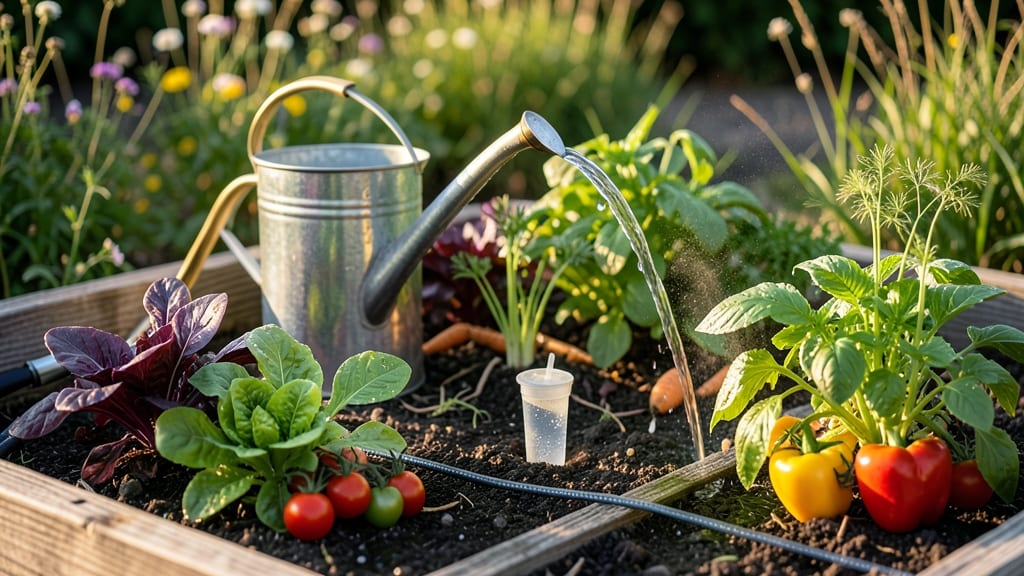
Watering your vegetable garden the right length of time ensures roots grow deep and plants thrive—yet most gardeners either drown their soil or leave it parched.
Overwatering or underwatering your 🥬 garden can mean the difference between a thriving harvest and wilted disappointment, yet most gardeners guess their watering time instead of using science-backed soil-type guidelines.
Clay soil holds moisture for hours, while sandy soil drains in minutes—so a 10-minute session in one might leave your garden thirsty in another. Below, I break down the exact watering duration for each soil type, plus how to adjust for drought or heavy rain.
You’ll also discover how to cut watering time by 30% with mulch and drip irrigation, so your garden stays perfectly moist without wasting a drop.
Watering duration by soil type: the exact minutes for each garden
Your vegetable garden’s soil type dictates how long you should water—clay holds moisture longer, while sandy soil drains in minutes. Without knowing your soil, you might overwater (wasting resources) or underwater (stressing plants).
I’ll break down the exact minutes needed for each soil type, plus how to test your garden’s drainage in just 10 minutes.
Start by identifying your soil type: clay feels sticky when wet, sandy drains like water through fingers, and loamy crumbles easily. Rocky soil? Water penetrates unevenly, requiring shorter bursts with longer intervals.
Once you know your soil, use the chart below to water deeply but efficiently—skipping this step can reduce yields by up to 30%.
Pro Tip: Water in the early morning (6–9 AM) to minimize evaporation and fungal risks. Avoid evening watering—it keeps leaves damp overnight, inviting diseases like powdery mildew. For drought-prone areas, water 10–15% longer than the chart suggests during peak summer heat.
Deep-rooted vegetables like tomatoes and carrots need longer watering sessions to reach their full root depth. For these, split your watering time into two 5-minute sessions (morning and evening) if your soil is rocky or sandy.
Shallow-rooted crops like lettuce or radishes only need 3–5 minutes total, but check soil moisture daily—they dry out fast.
Test your soil’s drainage with the jar test: Fill a jar halfway with moist soil, add water, and time how long it takes to drain. Under 10 minutes? You’ve got sandy soil—water more frequently but briefly. Over 30 minutes? Clay soil—water less often but longer.
This simple test saves you from overwatering (which causes root rot) or underwatering (which stunts growth).
Drought conditions? Increase watering duration by 20–30% and mulch with 2–3 inches of straw to retain moisture. Heavy rain? Skip watering for 2–3 days and check for puddles—standing water suffocates roots.
Use a moisture meter ($15 at garden centers) to avoid guesswork, especially in mixed soil types like loamy-clay blends, which behave unpredictably.
For container gardens, halve the watering duration but double the frequency—pots dry out 3x faster than in-ground soil. Place containers on elevated trays to catch runoff and reuse water. If your garden has microclimates (e.g., south-facing beds get hotter), water those areas 5–10 minutes longer during summer.
A quick shade cloth check can reveal if your plants are thirstier than the chart suggests.
Signs you’re nailing your watering: leaves stay vibrant, soil smells earthy (not sour), and weeds grow steadily. Wilting by noon? You’re underwatering. Yellow leaves with crisp edges?
Overwatering. Adjust your timer weekly based on these cues—your garden will thank you with bigger yields and fewer pests (drought-stressed plants attract aphids).
💧
Signs your vegetable garden needs more (or less) water: visual cues to avoid over/underwatering
Your vegetable garden speaks volumes through its leaves and soil—if you know what to listen for. Yellowing leaves or drooping stems often signal thirst, while mushy roots or white mold scream "too much water!"
These visual cues help you adjust your watering duration before stress sets in. For example, tomatoes with crisp, upright leaves are happy, but soggy soil or leaf spots mean you’re drowning them.
Start by checking the top inch of soil—if it’s dry, your plants need water. But if it’s clumpy or crusty, you’ve overdone it. Morning wilting that recovers by afternoon suggests underwatering, while evening wilting with yellowing leaves points to overwatering or poor drainage.
Pay attention to fungal growth like powdery mildew or root rot, which thrive in soggy conditions.
💧 Key Takeaway: Watering Duration by Plant Stress
| Sign | Likely Cause | Action |
|---|---|---|
| Dry, crispy soil crust | Underwatering | Increase duration by 20-30% |
| Mushy soil, white mold | Overwatering | Reduce duration by 40-50%, improve drainage |
| Leaves curl upward | Thirsty plants | Water deeply for 10-15 mins |
| Yellow lower leaves | Overwatering or poor drainage | Check soil moisture, adjust frequency |
🌱 Pro Tip: Use a moisture meter for precise readings—no guessing!
Common watering mistakes often stem from timing. Watering at midday or evening can scorch leaves or invite fungal diseases. Instead, aim for early morning watering (before 10 AM) to let foliage dry quickly.
If your garden is in full sun, you may need daily watering during heatwaves, but deep soaks (1-2 inches per week) work better than frequent light sprinkles.
For sandy soil, which drains fast, you might need 10-15 minutes per session, while clay soil can handle 20-30 minutes without drowning roots.
Test your soil’s drainage by filling a jar with water—if it drains in 1 hour, you’re likely underwatering; if it takes 4+ hours, you’re overdoing it.
Adjust your watering routine seasonally: spring and fall may require every other day, while summer demands daily attention. Watch for pests like aphids, which thrive in stressed plants—consistent moisture keeps them at bay. Always water at the base, not the leaves, to prevent disease.
By tuning into these visual cues, you’ll master the art of balanced watering and enjoy a bountiful harvest. Start today by checking your garden’s moisture signals—your plants will thank you with vibrant growth and sweet flavors! 🥬