
How To
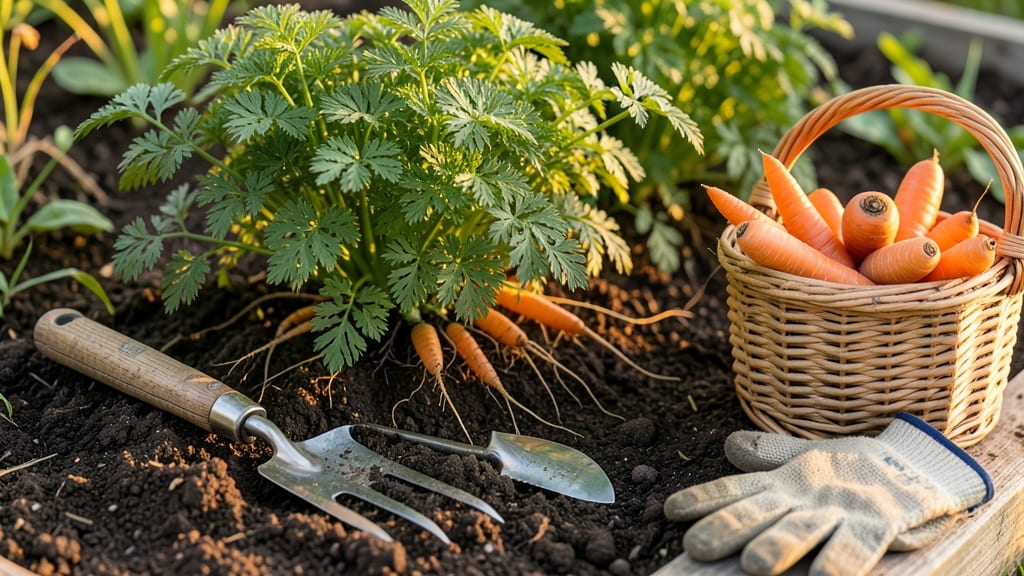
Harvesting carrots at the right time means sweet, crisp roots instead of tough, woody ones — and the key is knowing when they’re ready.
Wondering why your carrots taste bland or why they’re still tiny after weeks in the ground? Timing is everything. A 3/4-inch-thick root is the sweet spot, but many gardeners miss it by waiting too long or pulling them too soon.
In USDA Zone 6a, spring-planted carrots reach harvest size in 60–80 days, depending on the variety. Look for firm, smooth skin and tops about 4–6 inches tall—those are your cues.
Below, I’ll show you exactly how to check for readiness, avoid common mistakes, and store your harvest so it stays fresh for weeks.


Carrot growth stages: when and how to check root thickness for harvest
Carrots follow a predictable growth cycle from tiny seeds to edible roots, but knowing when to harvest makes all the difference. The ideal harvest window starts when roots reach 3/4-inch to 1-inch in diameter, but timing depends on your variety and growing conditions.
Miss this window, and you’ll end up with woody, tough carrots that lose their sweetness.
Growing carrots requires patience—it takes 50 to 80 days from seed to harvest, depending on the type. Early varieties like 'Paris Market' mature in as little as 50 days, while heirlooms like 'Danvers' can take 75 to 80 days.
Understanding these stages helps you plan for the perfect harvest, ensuring crisp, flavorful roots every time.
Here’s how to check for readiness: gently brush away soil near the base of the plant to inspect root thickness. If the root is smooth, firm, and 3/4-inch thick, it’s time to pull.
Use a ruler or your fingers as a guide—most gardeners aim for roots about the size of a pencil or slightly thicker.
| Stage | Days to Harvest | Root Thickness | Signs of Readiness |
|---|---|---|---|
| Seedling | 7-14 days | N/A | First true leaves appear |
| Early Growth | 21-30 days | 1/4-inch | Tops reach 3-4 inches |
| Ideal Harvest | 50-60 days | 3/4-inch | Roots firm, smooth skin |
| Over-Mature | 70+ days | 1.5+ inches | Woody texture, cracked skin |
Soil conditions play a critical role in determining harvest timing. Loose, well-draining soil allows roots to grow straight and thick, while compacted or rocky soil can stunt growth and cause forking.
Before planting, test your soil’s pH (ideal: 6.0-7.0) and amend with compost or sand if needed. Well-aerated soil ensures roots expand evenly, making them easier to harvest.
Over-mature carrots develop a woody texture and bitter flavor, signaling it’s past the ideal harvest window. Look for cracked skin or split roots—these are clear signs you’ve waited too long.
If this happens, harvest immediately and use the carrots in cooked dishes where texture is less critical, like soups or stews.
To maximize sweetness, harvest in the morning after watering. This ensures roots are hydrated and easier to pull from the soil. Use a garden fork to loosen the soil around the roots before gently tugging them free.
Avoid pulling by the tops, as this can damage the root and leave behind broken pieces in the soil.
If you’re growing multiple varieties, harvest early types first to make space for slower-maturing carrots. This sequential harvesting strategy keeps your garden productive and reduces waste. For example, plant 'Paris Market' in early spring for a quick harvest, then follow with 'Danvers' for a fall crop.
For storage, trim the tops to 1 inch above the root and store in a cool, humid environment (like a root cellar or refrigerator). Properly harvested carrots stay fresh for 2-3 weeks when stored correctly, retaining their crispness and sweetness.
Remember, the key to perfect carrots lies in consistent care and timing. By monitoring root thickness, soil conditions, and maturity signs, you’ll enjoy sweet, homegrown carrots straight from your garden to the table.
5 Common mistakes that delay carrot harvest (and how to avoid them)
Even with perfect growing conditions, many gardeners struggle to get carrots to mature quickly. The key lies in avoiding these 5 common mistakes that stall growth. From overcrowded seeds to inconsistent watering, small oversights can turn your 60-day harvest into a 3-month wait. Let’s fix that.
First, overcrowded seeds are a silent harvest killer. Planting too close together forces carrots to compete for nutrients, resulting in stunted, forked roots. The fix? Space seeds 1-2 inches apart in rows 12-15 inches apart.
Thin seedlings to 3-4 inches apart once they sprout—this prevents competition and encourages straight growth.
Poor soil drainage is another sneaky culprit. Carrots need loose, well-draining soil to grow long and straight. If your soil is heavy clay, amend it with compost or sand before planting.
A simple test: Dig a hole, fill it with water, and time how long it drains. If it takes more than 2 hours, your soil needs improvement.
Inconsistent watering is another top mistake. Carrots need 1 inch of water weekly, but too much or too little causes problems. Drought stress leads to small, tough roots, while waterlogging causes rot.
Water deeply in the morning to keep soil evenly moist. Use a drip irrigation system or soaker hose to avoid wetting the foliage.
Pest damage often goes unnoticed until it’s too late. Carrot rust flies and aphids can devastate crops in weeks. Protect your plants with row covers or neem oil sprays.
Check the undersides of leaves regularly—early intervention prevents infestations from spreading. Companion planting with onions or leeks also deters pests naturally.
Finally, skipping mulch slows growth by letting weeds steal nutrients. Apply 2-3 inches of straw or grass clippings around plants to retain moisture and suppress weeds. Mulch also keeps soil temperatures stable, encouraging steady root development. Replenish mulch every 4-6 weeks for best results.
By addressing these mistakes, you’ll harvest sweet, crisp carrots in record time—no more waiting months for tiny, tough roots! Start with proper spacing, test your soil, and keep watering consistent. Your next harvest will thank you.