
How To
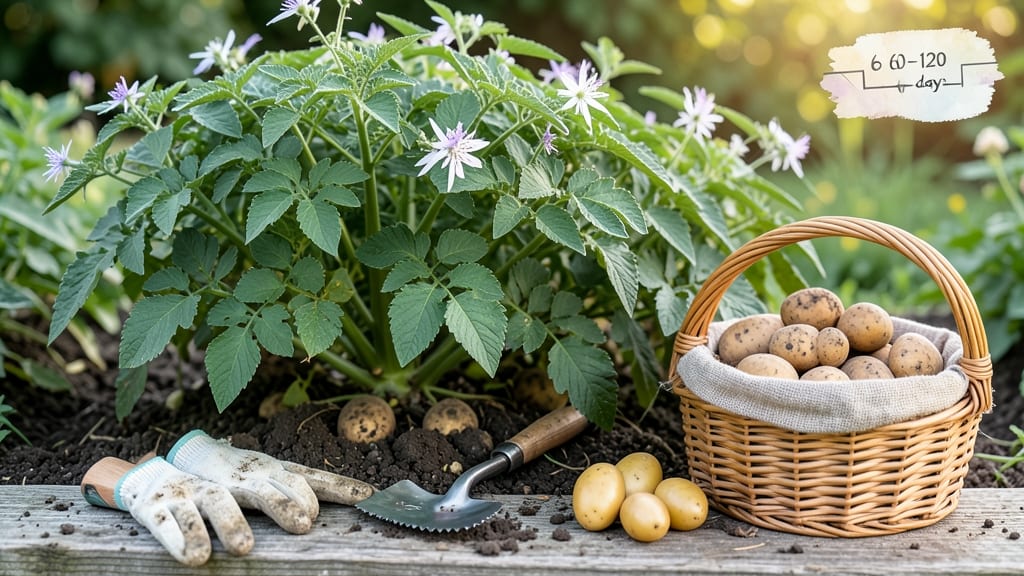
From planting to harvest, potatoes take anywhere from 60 to 120 days depending on the variety and your climate — and knowing the exact timeline saves you from digging too early or waiting too long.
Picture this: you’ve spent weeks tending to your 🥔 patch, and now you’re staring at the calendar, wondering if those tubers are ready. The truth? Some potatoes are ready in just two months, while others need nearly four to reach peak flavor.
In this guide, I’ll break down the key stages of potato growth, from sprouting to harvest, so you can pinpoint the perfect time to dig. We’ll also cover how your USDA zone, soil type, and even planting method can shift that timeline by weeks.
By the end, you’ll know exactly when to pull those spuds for the crispest new potatoes or the heartiest storage crop — no guesswork required.

Potato harvest timing by variety: exact days from planting to ready
Knowing exactly when to harvest your potatoes depends entirely on the variety you're growing. Early potatoes like Red Pontiac can be ready in as little as 60-70 days, while late-season varieties like Russet Burbank may take 100-120 days to reach peak harvest time.
These timeframes are calculated from when you plant your seed potatoes, not when they sprout. Understanding these windows helps you plan for soil conditions, weather patterns, and even your family's meal schedule.
Most gardeners categorize potatoes into three maturity groups: early, mid-season, and late. Each group has distinct characteristics that affect not just harvest timing but also how you should store them after pulling them from the ground.
For example, early varieties like Yukon Gold are perfect for quick harvests and fresh eating, while late varieties store better for long-term use. Let's break down the exact days to harvest for popular varieties in each category.
🌱 Pro Tip: Always plant your seed potatoes 4-6 weeks before your last frost date to maximize growing time. In USDA Zone 5, this typically means planting in early April, while in Zone 9, you might start as early as February.
For early varieties like Red Pontiac, the 60-70 day window is critical because these potatoes are best eaten fresh. If you wait too long, they may become woody or develop sprouts, which can make them less palatable.
These varieties are perfect if you're growing potatoes in shorter seasons or cooler climates where the growing season is limited. Plant them in late spring for a summer harvest just in time for grilling and salads.
Mid-season varieties like Yukon Gold and Kennebec offer the best balance between harvest timing and storage potential. The 85-95 day window gives you flexibility to plan for both immediate use and longer storage.
These potatoes are ideal for gardeners who want to enjoy fresh potatoes throughout the summer and fall. For example, you can harvest a portion when they're ready for immediate use while leaving others in the ground to mature fully for storage.
Late varieties like Russet Burbank and Adirondack Blue
Climate zone adjustments: how weather affects potato harvest timing
Your USDA climate zone is the single biggest factor in determining when your potatoes will be ready to harvest. While seed packets promise 60-120 days to maturity, real-world growing seasons in zones 3-10 create dramatic variations.
For example, a Red Pontiac might take 70 days in zone 5 but stretch to 90 days in zone 8 due to cooler springs. Understanding these adjustments helps you avoid early frost damage or waiting too long for harvest.
Frost dates are your harvest deadline. In USDA zone 3, where frost can linger until June 10, you'll need to plant early-maturing varieties like Yukon Gold (70 days) or Kennebec (80 days) to harvest before the first frost.
Meanwhile, in zone 10 with no frost risk, you can grow late-season keepers like Russet Burbank (110 days) year-round with staggered plantings. The key is calculating your frost-free growing season—the number of days between your last spring frost and first fall frost.
- 1
- 2
- 3
- 4
- 5
Temperature also plays a critical role in potato growth. Cool springs (50-60°F) slow early development, while warm summers (70-80°F) speed up tuber formation.
In zone 6, where springs are cooler, I always plant early varieties like Red Norland (85 days) to avoid missing the harvest window. Conversely, in zone 9, I can extend the season by planting late varieties in fall for a winter harvest.
Pay attention to soil temperatures—potatoes need 45°F+ to sprout consistently.
Another climate factor is daylight length. Longer summer days in northern zones (3-5) can push potatoes to maturity faster than in southern zones (8-10), where consistent daylight slows growth. This is why zone 4 gardeners often get larger yields from the same varieties compared to zone 8.
To compensate in warmer climates, I use shade cloth during peak summer to prevent stress and extend the growing season for late varieties.
For container growing, climate adjustments become even more critical. Pots heat up faster in zone 10, so I use black plastic containers to absorb heat and plant heat-tolerant varieties like Sweet Potato (though technically a different plant, it thrives in warm climates).
In zone 3, I stick to 5-gallon buckets with early varieties and harvest before the first frost, often using row covers to extend the season by 2-3 weeks.
Pro tip: Use staggered plantings to spread out your harvest. In zone 7, I plant early varieties in April, mid-season in May, and late varieties in June. This ensures a continuous supply and reduces the risk of disease pressure from overcrowded plants.
Always check your local agricultural extension service for microclimate adjustments—urban areas can be 5-10°F warmer than rural zones, affecting your harvest timing significantly.