
How To
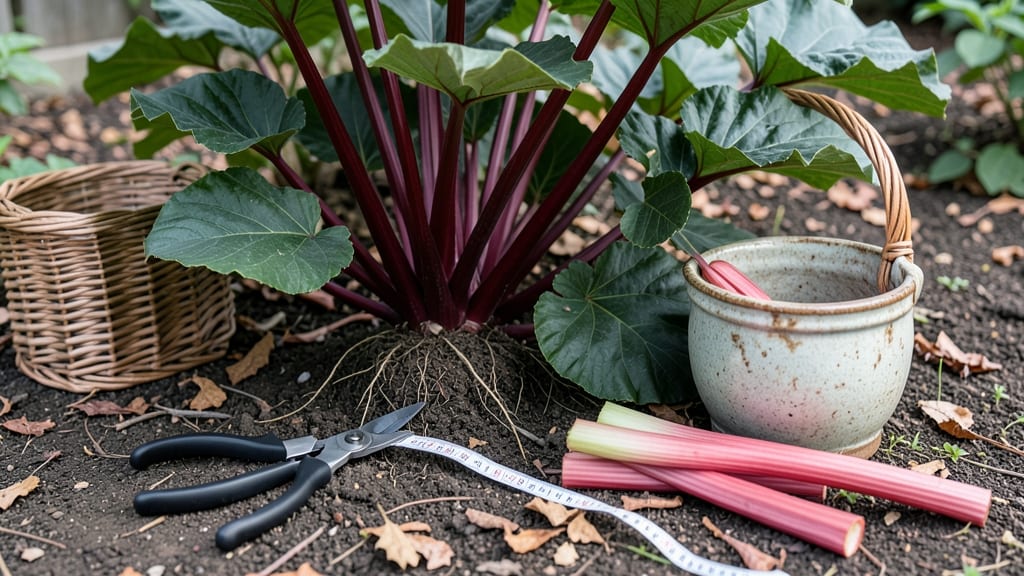
You can harvest rhubarb for 6 to 8 weeks each spring once it matures—typically in its second or third year—before the plant needs a rest to rebuild energy.
Picture this: your first crisp stalks in May, followed by weeks of vibrant harvests, only to watch your plant wilt if you push too far. The key is knowing when to stop—usually by late June—to let the roots recover for next year’s bounty.
In USDA Zone 6, where many gardeners grow rhubarb, the harvest window aligns perfectly with spring’s mild weather. But timing isn’t the only factor—soil health, watering, and even mulching play a role in extending that window by weeks.
Below, I’ll break down the exact timeline, how to spot over-harvesting, and simple tricks to keep your 🌱 rhubarb producing for years. Ready to maximize your yield without burning out your plant?


Optimal rhubarb harvest timeline: when to pick for maximum yield
Timing your rhubarb harvest is everything—pick too early, and you’ll stunt growth; harvest too late, and you’ll miss the sweet spot for tender stalks. The key is understanding your plant’s growth stage and seasonal rhythms.
For most gardeners, rhubarb enters its prime harvest window in late spring, typically April through June, depending on your climate zone.
First-year plants deserve special care—they’re building roots, not stalks. In their first growing season, avoid harvesting entirely. Let those young plants focus on establishing a strong root system for future yields. Skipping harvests in year one pays off with bigger, healthier stalks in years two and three.
Mature rhubarb plants (those 2+ years old) reward patience with a 6-8 week harvest window. This typically runs from mid-April to early June in most U.S. growing zones. The exact timing depends on frost dates—wait until after the last spring frost when soil temperatures reach 50°F (10°C).
Here’s the golden rule: Never harvest more than one-third of the stalks at a time. Over-harvesting weakens the plant’s energy reserves, leading to smaller stalks and potential dormancy. Think of each stalk as a battery—you’re drawing power, so don’t drain the whole system.
| Plant Stage | Harvest Window | Stalks to Pick | Key Notes |
|---|---|---|---|
| First Year | None | 0% | Focus on root growth |
| Second Year | Late April–June | 10–15 stalks | Wait until stalks reach 10–12" |
| Mature (3+ Years) | April–June | Up to 1/3 of stalks | Stop by early July to avoid dormancy |
| Summer Dormancy | July–September | None | Plant rests; conserve energy |
| Fall Revival | October (if mild) | 0–5 stalks | Only in frost-free zones |
Watch for visual cues like stalks reaching 10–12 inches and vibrant colors (red, pink, or green). These signals mean your rhubarb is ready. Use a sharp knife or pruners to cut stalks at the base, leaving the crown intact. This minimizes damage and encourages regrowth.
By early July, most rhubarb plants enter summer dormancy. This isn’t a sign of failure—it’s nature’s way of conserving energy. Stop harvesting entirely during this period. Resuming too early can exhaust the plant, leading to weakened roots and fewer stalks next season.
In mild climates (zones 7–9), you might coax a second harvest in fall, but only if temperatures stay above 40°F (4°C). Limit this to 5–10 stalks max, and avoid disturbing the plant after first frost. Winter care focuses on mulching to protect roots from freezing.
Pro tip: Keep a harvest journal to track your plant’s growth patterns. Note when stalks emerge, their size at harvest, and any deviations from the norm. Over time, you’ll refine your timing to match your local microclimate—whether that’s a cool mountain valley or a hot desert garden.
Remember, rhubarb is a perennial powerhouse with potential for decades of harvests. Treat it well, follow the seasonal cues, and you’ll enjoy bountiful yields year after year. 🌱
How to extend your rhubarb harvest season by 6+ weeks
Rhubarb’s natural harvest window typically spans just 6-8 weeks in late spring, but with the right techniques, you can stretch that season by 6+ weeks. The key lies in protecting your plants from summer dormancy and encouraging a second flush of growth.
I’ve found that combining mulching, row covers, and staggered planting can transform your rhubarb patch into a year-round producer—well, almost! Let’s break down how to make this happen.
First, focus on soil protection. Rhubarb plants go dormant in summer heat, but you can trick them into staying active longer. Start by applying a 4-inch layer of organic mulch around the base in early spring.
This keeps roots cool and retains moisture, which is critical for continuous stalk production. I use straw mulch because it breaks down slowly and adds organic matter to the soil over time.
- Mulch heavily with straw or wood chips to insulate roots and retain moisture during summer.
- Use floating row covers in early summer to protect from heat stress while allowing light penetration.
- Stagger plantings by 2-3 weeks to create overlapping harvest windows throughout spring and early summer.
- Revive dormant plants in late summer by watering deeply and trimming dead leaves to encourage regrowth.
- Fertilize lightly in early fall with compost or balanced fertilizer to boost next year’s growth.
For an extra boost, try floating row covers in early summer when temperatures start climbing. These lightweight fabrics shield your plants from excessive heat while still allowing sunlight and water to reach the leaves.
I’ve seen rhubarb plants under row covers produce a second harvest in late summer—something I never expected! Just remember to remove the covers if rain is forecasted to prevent waterlogging.
Another game-changer is staggered planting. Instead of planting all your rhubarb crowns at once, space them out by 2-3 weeks. This creates a rolling harvest window where you’re always picking fresh stalks from different plants.
For example, plant one batch in early March, another in mid-March, and a final batch in early April. This way, when your first batch starts to slow down in early summer, the later plantings are just reaching their peak.
If your rhubarb plants look wilted or dormant in late summer, don’t give up! With a little care, you can often coax them back to life. Start by trimming all dead or yellow leaves and watering deeply at the base.
I’ve revived seemingly dead plants by giving them a good soak and a light application of compost. Within a few weeks, you might see new growth emerge—just in time for a late-summer harvest!
Finally, don’t forget about fall preparation. As temperatures drop, focus on protecting your plants for next year. Apply a thick layer of mulch and consider adding a lightweight frost blanket in late fall.
This insulation helps the roots stay warm and active, setting the stage for an earlier spring harvest. With these techniques, you can easily extend your rhubarb season by 6+ weeks—and maybe even longer with a little experimentation! 🌱