
How To
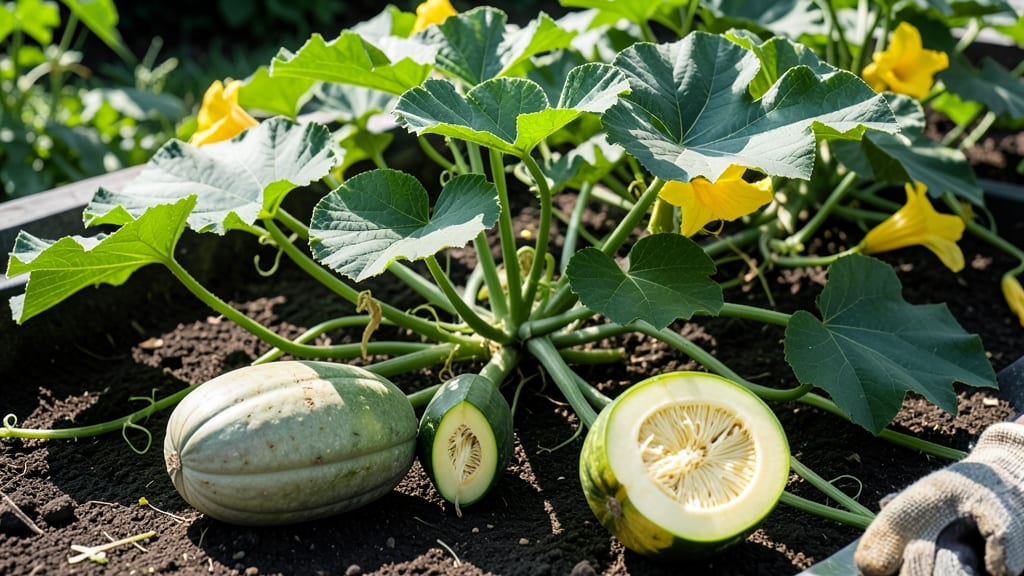
Knowing when to harvest spaghetti squash 🍠 comes down to three simple but critical cues—skin color, stem changes, and seed hardness—that transform a guess into a foolproof routine.
Picture this: you’ve waited three months for those vines to sprawl, and now the fruit is the size of a dinner plate. But if you pull it too soon, you’re left with tough, rubbery strands that scream "underripe." Too late, and the texture turns mealy, like overcooked pasta.
The sweet spot? A balance where the rind dulls to a soft yellow, the stem end dries to a papery brown, and a gentle squeeze gives just enough—not too firm, not too soft.
Here’s the game-changer: most gardeners in USDA Zone 6a harvest between late September and October, but the real magic happens when you combine timing with these tactile tests.
Skip the calendar and learn to read your squash instead—because the difference between perfect strands and a sad, mushy pile is often just a few days.
Below, I’ll walk you through the exact steps to check ripeness, including the "thump test" and "nail test" that cut out the guesswork. No more second-guessing, no more wasted squash—just silky, restaurant-quality texture every time.
3 Tactile tests to determine spaghetti squash ripeness before harvesting
Harvesting spaghetti squash at the perfect moment transforms your garden bounty into silky, stringy perfection. But how do you know when it's ready? Unlike other squashes, spaghetti squash doesn't soften when ripe—instead, it develops specific tactile cues that signal peak harvest time.
These three simple tests will help you avoid the common pitfalls of underripe rubberiness or overripe mealiness, ensuring you enjoy that prized texture every time.
The key to mastering these tests lies in understanding what ripe spaghetti squash skin and stem conditions should feel like. Unlike butternut squash, which softens as it matures, spaghetti squash maintains a firm exterior while its interior strings develop.
This unique characteristic makes the thump test and nail test particularly valuable tools in your harvesting arsenal. Let's explore these hands-on methods that will give you confidence in your harvest timing.
Let me share a personal tip from my own garden: I always perform these tests in the morning after dew has dried. The cooler temperatures make the squash slightly firmer, giving you a more accurate reading.
I've found that squashes tested in the heat of the day can sometimes feel softer than they actually are, leading to premature harvests. This simple habit has saved me from multiple batches of underripe squash over the years.
Another pro tip is to combine these tactile tests with visual color cues. While the tests focus on touch, ripe spaghetti squash typically develops a dull yellowish hue on the skin where it rested against the soil.
This color change often appears first on the blotchy side of the squash. I like to check for this color shift in combination with the thump test—when I see both the dull color and hear that hollow thump, I know it's harvest time.
What about the weight factor? While heavier squashes often indicate maturity, don't rely solely on weight. A fully ripe spaghetti squash should feel heavy for its size, but the weight alone isn't enough to guarantee perfect texture.
I've harvested squashes that weighed 10 pounds but were still underripe based on the other tests. Always use weight as a secondary confirmation rather than the primary indicator.
For gardeners in warmer climates, these tactile tests become even more critical. In my zone 9 garden, spaghetti squash can mature rapidly during heatwaves, making it easy to miss the optimal harvest window.
I've learned to check my plants every 2-3 days during hot spells, using these tests to catch them at precisely the right moment. The nail test has been particularly valuable in these conditions, as the heat can make the skin feel softer than it actually is.
One common mistake I see among new gardeners is confusing skin firmness with overall ripeness. Remember, spaghetti squash should never feel soft or mushy—that's a sign of overripeness. The skin should yield slightly to pressure (like pressing your thumb into an apple) but still maintain its structural integrity.
If you're unsure, perform all three tests together—they work best as a confirmation system rather than individual indicators.
Finally, don't forget about the vine condition. As your spaghetti squash approaches maturity, the vine will begin to yellow and die back. This is nature's way of telling you it's time to harvest.
I like to watch for this sign in combination with the tactile tests, as it provides another layer of confirmation. When I see both the dying vine and positive results from all three tests, I know I've got a perfect squash on my hands.
With these tactile tests in your gardening toolkit, you'll never again wonder how to know when to harvest spaghetti squash. The combination of the thump test, nail test, and stem check gives you a foolproof method to determine ripeness.
And remember, the best squashes are those harvested at the peak of ripeness—not a day earlier or later. Happy harvesting! 🍠
When to harvest spaghetti squash by growth stage: days to maturity guide
Understanding the growth stages of spaghetti squash is key to harvesting at peak ripeness. Most varieties reach maturity between 75 and 100 days after planting, but several visual and physical cues help pinpoint the exact moment.
The days to maturity can shift slightly based on your climate—warmer regions may speed up ripening, while cooler areas could extend it.
Start monitoring your plants around 60 days when vines begin producing fruit. Look for color changes in the squash and vines as primary indicators. These visual signals, combined with fruit firmness, will guide you to the perfect harvest window for that signature stringy texture.
| Growth Stage | Key Indicators | Days to Maturity | Climate Impact |
|---|---|---|---|
| Early Growth (0-45 days) | Vines establish, leaves mature | N/A | Slower growth in cooler zones |
| Flowering (45-60 days) | Yellow flowers appear, fruit begins forming | N/A | Warmer temps accelerate flowering |
| Fruit Development (60-75 days) | Squash turns dull yellow, stem dries | 75-85 days | Cooler climates may delay by 5-10 days |
| Peak Ripeness (75-100 days) | Rind dulls, skin yields slightly, vine yellows | 80-100 days | Hotter areas may ripen faster |
| Overripe (100+ days) | Skin softens, flesh becomes mealy | 100+ days | Higher risk in humid climates |
In warmer climates like USDA Zone 9 or 10, spaghetti squash often matures in as few as 75 days, while cooler zones like Zone 5 may need up to 100 days.
Pay attention to vine color—healthy vines turn yellowish-brown as the fruit nears readiness. This change signals the plant is redirecting energy to the squash.
Another key factor is fruit weight. A ripe spaghetti squash typically weighs between 2 and 5 pounds, depending on the variety. Lift the squash gently—if it feels heavy for its size, it’s likely ready.
Combine this with the skin firmness test: press your fingernail into the rind. If it leaves a slight dent but doesn’t puncture easily, harvest time is near.
Don’t wait until the vine completely dies back—this often means the squash has overripe and lost its stringy texture. Instead, harvest when the vine begins to yellow and the squash shows dull yellow skin.
Cut the fruit from the vine using a sharp knife, leaving a 1-inch stem attached to prevent rot.
For gardeners in shorter growing seasons, consider planting early-maturing varieties like 'Golden Hubbard' or 'Turk’s Turban,' which can reach harvest readiness in as few as 70 days.
Always adjust your expectations based on local weather patterns—early frosts can force an earlier harvest, even if the squash isn’t fully mature.