
Size
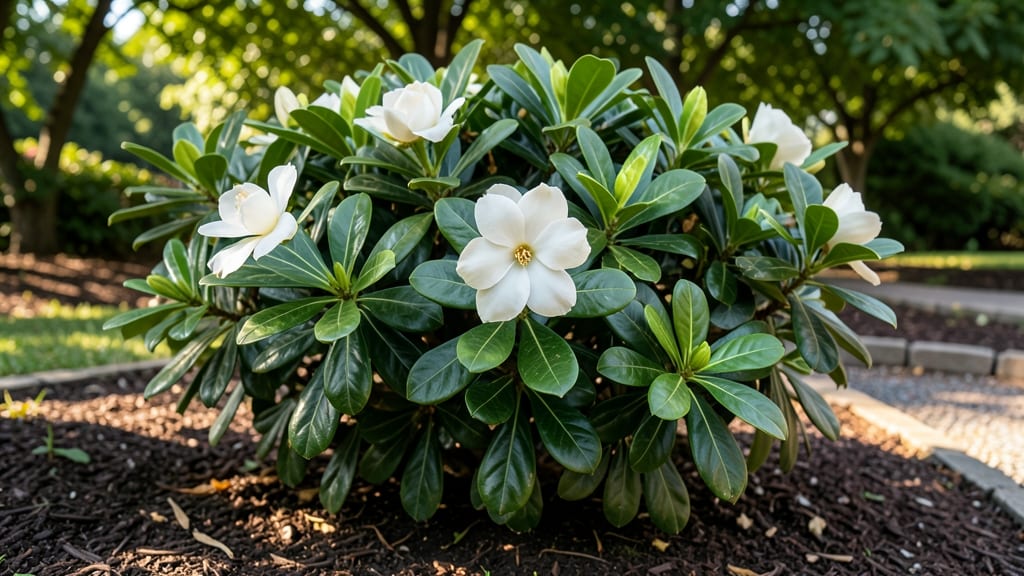
Gardenias grow to 3 to 6 feet tall at maturity, with their spread matching or slightly exceeding their height—think of them as lush, fragrant shrubs that fill space gracefully 🌸.
If you're dreaming of fragrant, glossy gardenias but wondering whether they’ll fit your garden’s size, you’re not alone—many gardeners hesitate before planting because their growth varies wildly by variety.
Some, like the compact ‘Kleim’s Hardy’, stay under 3 feet, making them perfect for containers or small yards, while others, such as ‘Radicans’, can stretch to 6 feet or more, ideal for hedges or privacy screens.
Below, I’ll break down how to choose the right size for your space, plus tips to control their growth naturally—so you get the perfect gardenia for your garden’s needs.


Gardenia mature size by popular variety: height and spread guide
Choosing the right gardenia variety starts with understanding their mature size, as some grow into towering shrubs while others stay compact enough for containers or small gardens.
The most popular species, Gardenia jasminoides, offers a wide range of heights and spreads, making it perfect for any space—whether you're dreaming of a fragrant hedge or a potted centerpiece.
Let’s explore the most common varieties and their growth expectations so you can pick the perfect fit for your landscape.
Most gardenias reach their mature height within 3 to 5 years, though growth rates vary by variety. For example, ‘Kleim’s Hardy’ stays under 3 feet tall, making it ideal for small patios, while ‘Radicans’ can soar to 6 feet or taller, perfect for privacy screens.
Spread is equally important—some varieties grow wider than they do tall, while others maintain a balanced shape. Let’s break down the specifics to help you plan your garden layout.
| Variety | Mature Height | Mature Spread | Best For | Sunlight Needs |
|---|---|---|---|---|
| ‘Kleim’s Hardy’ | 2–3 ft | 3–4 ft | Containers, small gardens | Partial shade |
| ‘Radicans’ | 6–10 ft | 5–8 ft | Privacy screens, hedges | Full sun to partial shade |
| ‘Veitchii’ | 3–5 ft | 4–6 ft | Borders, foundation plantings | Partial shade |
| ‘Fortuniana’ | 4–6 ft | 5–7 ft | Large landscapes, hedges | Full sun |
| ‘Mystery’ | 2–3 ft | 3–4 ft | Containers, patios | Partial shade |
| ‘Augusta’ | 6–8 ft | 6–10 ft | Tropical landscapes, large gardens | Full sun |
| ‘Kleim’s Hardy’ (Dwarf) | 1.5–2.5 ft | 2–3 ft | Balconies, window boxes | Partial shade |
| ‘Radicans’ (Climbing) | 10+ ft (with support) | 3–5 ft (spread) | Trellises, arbors | Full sun |
| ‘Veitchii’ (Dwarf) | 2–3 ft | 3–4 ft | Small gardens, borders | Partial shade |
| ‘Fortuniana’ (Compact) | 3–4 ft |
How to control gardenia growth size naturally (pruning & care tips)Managing gardenia size doesn’t require harsh methods—just a few natural techniques and seasonal adjustments can keep your shrubs lush and contained. Gardenias naturally grow between 3-6 feet tall, but without proper care, they can become leggy or overgrown. The key is pruning at the right time and optimizing their growing conditions to encourage compact, bushy growth. Many gardeners make the mistake of pruning gardenias after flowering season, which can weaken next year’s blooms. Instead, focus on light shaping cuts in early spring and deadheading spent blooms throughout summer. Pair this with proper soil acidity and consistent moisture, and you’ll prevent unruly growth while keeping those fragrant blooms abundant.
One of the biggest mistakes gardeners make is pruning too late in the season. If you cut back gardenias after mid-summer, new growth won’t harden off before winter, leaving them vulnerable to frost damage. Always time your pruning to early spring or immediately after flowering to avoid this pitfall. For container-grown gardenias, size control is even easier—simply repot every 2-3 years to refresh the soil and trim roots if they become root-bound. Choose pots with drainage holes and use a well-draining potting mix to prevent overgrowth caused by soggy roots. Container gardenias typically stay 2-4 feet tall with proper care. With these natural methods, you’ll keep your gardenias bushy, fragrant, and perfectly sized for your garden’s layout—whether you’re aiming for a privacy hedge or a container centerpiece. The secret is consistency: prune, deadhead, and feed at the right times, and your gardenias will reward you with lush, controlled growth year after year. 🌿✂️ |