
How To
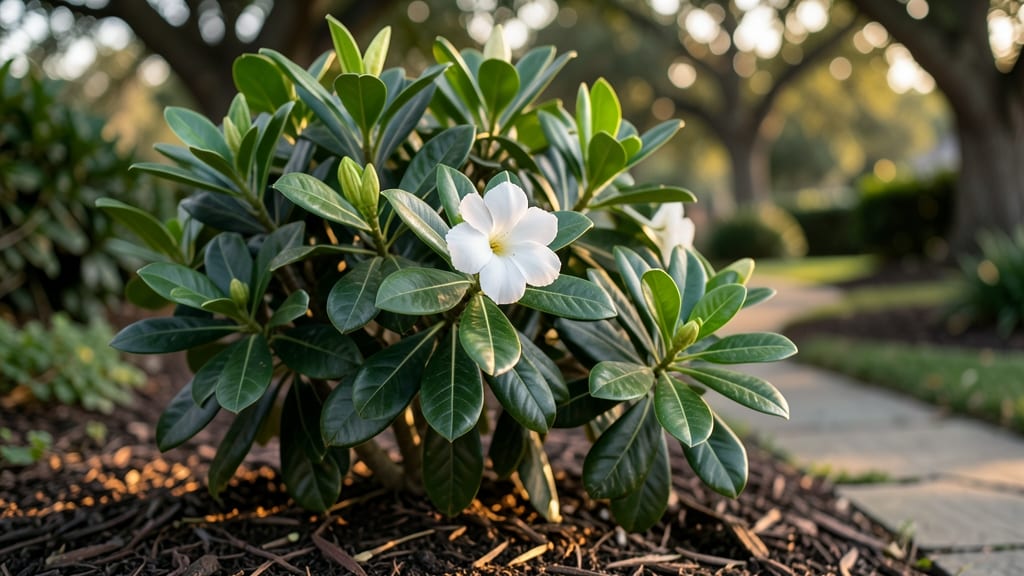
Gardenias grow to sizes ranging from compact shrubs to tall, fragrant trees, depending on the variety and care you provide.
If you’re dreaming of fragrant gardenias but wondering whether they’ll fit your garden’s size—or your pruning ambitions—you’re in the right place.
These tropical beauties can reach anywhere from 2 feet for dwarf varieties to 6 feet for standard shrubs, making them versatile for everything from patio containers to privacy screens.
Here’s how to match the right gardenia to your space, plus tips to control their growth so they stay lush without taking over your yard.
Gardenia height ranges by variety: small to large shrubs
Choosing a gardenia variety starts with understanding their mature height ranges. These fragrant shrubs can range from compact 2-foot dwarfs to tall 10-foot specimens, making them versatile for patios, borders, or even privacy screens.
The most common species, Gardenia jasminoides, typically grows between 3 to 6 feet, but some varieties like Radicans stay under 2 feet, perfect for containers. Knowing these ranges helps you select the right plant for your space and pruning style.
Gardenias also vary in growth habits. Some varieties grow upright, reaching their full height quickly, while others spread wider, creating a bushier appearance.
For example, Gardenia augusta can grow up to 10 feet tall in ideal conditions, while Fortuniana stays between 4 to 6 feet with a more rounded shape. Your garden’s layout and sunlight exposure will influence which variety thrives best.
Here’s a quick comparison of popular gardenia varieties and their mature sizes to help you visualize their potential in your garden:
| Variety | Mature Height | Spread | Growth Habit | Best For |
|---|---|---|---|---|
| Gardenia jasminoides | 3–6 ft | 3–5 ft | Upright to rounded | Borders, hedges, containers |
| Gardenia radicans | 1–2 ft | 2–3 ft | Spreading, bushy | Containers, patios, window boxes |
| Gardenia augusta | 6–10 ft | 5–8 ft | Tall, upright | Privacy screens, large gardens |
| Gardenia fortuniana | 4–6 ft | 4–5 ft | Rounded, dense | Foundation plantings, hedges |
| Gardenia veitchii | 8–12 ft | 6–10 ft | Tall, spreading | Tropical landscapes, large yards |
The Gardenia jasminoides, often called the common gardenia, is the most widely grown variety in home gardens. Its 3 to 6-foot height makes it ideal for foundation plantings or as a privacy hedge when planted in a row.
If you’re working with limited space, the dwarf varieties like Radicans are perfect for containers or window boxes, adding fragrance to patios without taking up much room.
For larger gardens, consider Gardenia augusta or veitchii, which can reach 10 feet or taller. These varieties thrive in humid climates and are often used as specimen plants or for creating natural privacy barriers.
Their larger size also makes them great for landscaping focal points, especially near water features or shaded areas.
When planning your garden, remember that soil quality and sunlight play a huge role in how big your gardenia grows. Acidic, well-draining soil (pH 5.0–6.0) and partial shade (morning sun, afternoon shade) encourage healthier growth and more abundant blooms.
Without these conditions, even dwarf varieties may grow leggy or sparse, reaching heights beyond their expected range.
If you’re unsure about a variety’s final size, start with a smaller specimen and monitor its growth for a year. Gardenias grow slowly in their first few years, so giving them space to establish prevents overcrowding later.
For container gardening, choose dwarf or semi-dwarf varieties and prune regularly to maintain their shape and encourage bushier growth.
Pruning is key to managing gardenia size, especially for larger varieties. I recommend pruning right after blooming to shape the plant and remove dead or overgrown branches. This not only controls height but also promotes more blooms the following season.
Always use sterilized pruners to prevent disease spread, and avoid cutting into old wood, as gardenias struggle to regrow from mature branches.
For those in cooler climates (USDA Zones 7–9), gardenias may grow more slowly and stay smaller unless protected from frost. In these areas, container gardening is a great option, allowing you to move plants indoors during winter months.
Even in ideal conditions, gardenias can take 3 to 5 years to reach their mature height, so patience is key when planning your garden layout.
How to control gardenia size: pruning and growth tips
Gardenias reward patience with their intoxicating blooms, but their size can quickly become unmanageable if left unchecked. The key to keeping them compact and bushy lies in strategic pruning and seasonal care.
Whether you're growing a standard gardenia in your yard or a dwarf variety in a container, understanding when and how to prune will ensure your plant stays within your desired space while maximizing those fragrant flowers.
Most gardenias grow 3 to 6 feet tall at maturity, but their spread can be just as wide—sometimes even wider than their height. Without proper pruning, they’ll develop long, leggy branches with fewer blooms. The good news?
With the right techniques, you can train your gardenia to stay bushier and more compact, even in tight spaces. Let’s dive into the best methods to control their size without sacrificing those heavenly blooms.
Gardenias can double in size if pruned too late in the season. Prune after blooming (late summer) to avoid cutting off next year’s flower buds, which form on old wood. Skipping pruning for just one year can lead to a 50% increase in height and a messy, unruly shape.
Start by pruning your gardenia right after flowering, typically in late summer or early fall. This timing ensures you’re not removing next year’s blooms, which develop on old wood.
Use clean, sharp pruners to make cuts just above a leaf node or bud, angled slightly downward. Remove any dead, diseased, or crossing branches first—these take priority over shaping.
For bushier growth, focus on cutting back the longest branches by about one-third. This encourages new side shoots to form, creating a fuller plant. If your gardenia is in a container, prune more aggressively in early spring to control its size.
Containers limit root growth, so regular pruning prevents the plant from becoming top-heavy and leggy.
Fertilizer plays a crucial role in managing gardenia size. Use a balanced, acid-loving fertilizer (like 10-10-10) every 4-6 weeks during spring and summer, but avoid heavy feeding in fall or winter.
Over-fertilizing can lead to rapid, unchecked growth with fewer blooms. Pair this with regular watering—keep the soil consistently moist but never soggy—to support healthy, controlled growth.
One common mistake gardeners make is pruning at the wrong time. Avoid heavy pruning in late fall or winter, as this can stimulate new growth that won’t survive cold temperatures.
Instead, focus on light maintenance pruning during dormancy to remove any damaged branches. In spring, give your gardenia a final trim to shape it for the growing season ahead.
With these tips, your gardenia will stay compact, healthy, and blooming—no matter your space. The secret? A little pruning discipline and seasonal care go a long way in keeping these tropical beauties under control. Happy gardening! 🌿✂️