
Picking
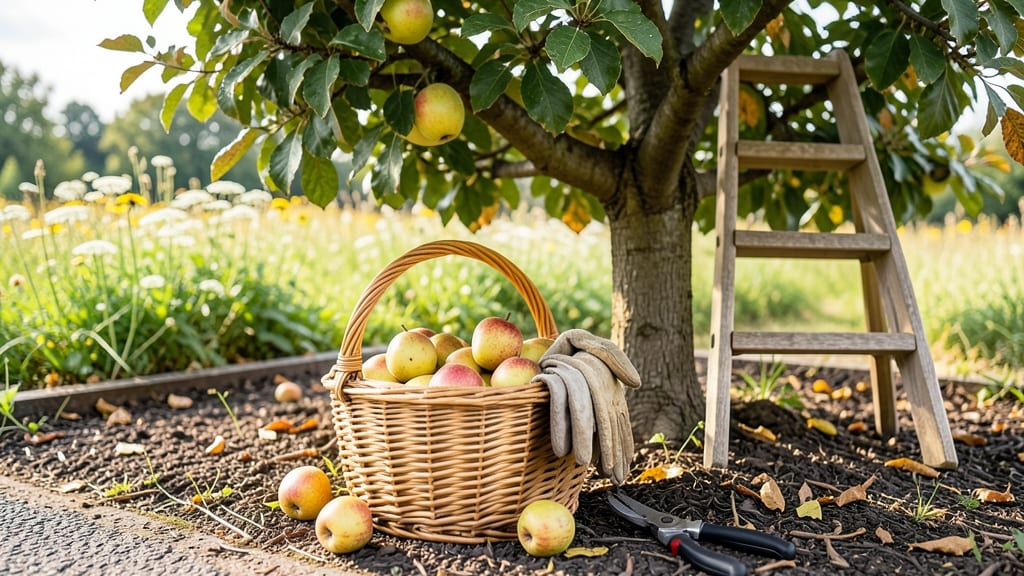
Knowing the exact harvest time for pears turns a tart bite into a sweet, juicy reward — but timing it wrong means grainy texture or wasted fruit.
Most gardeners wait for color changes, but the real test is what happens when you give the stem a gentle twist. If the pear comes away easily, it’s ready to eat now; if it resists, it needs another week on the tree.
This simple trick saves you from guessing — and from ending up with fruit that’s still hard or already mushy.
In Zone 6, where pears thrive, the window runs from late August through October, but varieties like Bartletts ripen weeks earlier than Bosc or Anjou. Climate matters too: warmer regions speed up ripening, while cooler areas may need an extra two weeks.
Below, I’ll walk you through the three tactile tests that never fail, plus how to adjust for your local growing conditions.
You’ll also learn how to spot the signs of overripe pears (yes, they’re obvious once you know what to look for) and the best way to store your harvest so it stays fresh for weeks. No more second-guessing — just perfectly timed, flavor-packed pears every season.

3 Tactile tests to determine when pears are ready for harvest
Harvesting pears at the right moment means the difference between a meal of tart, mealy fruit and a juicy, sweet feast. Unlike some fruits that ripen off the tree, pears must often be picked when they're nearly ripe—but not quite.
The key lies in three simple tactile tests that let you feel, not guess, when your pears are ready. These hands-on methods work for both backyard growers and commercial orchards.
First, understand that pears ripen from the inside out. The skin color may not fully reflect ripeness, especially for varieties like Bosc or Anjou. That's why relying on touch and gentle pressure becomes your best tool.
Let's explore the three foolproof tests that will have you picking pears at their peak flavor every season.
-
Test 1: The Color Check
Look for even color change—green pears turn yellow, red, or brown depending on variety. Uneven coloring means more time on the tree. -
Test 2: The Twist Test
Gently twist the pear near the stem. If it separates easily with slight resistance (not a snap), it's ready. No movement? Wait 3-5 days. -
Test 3: The Stem Check
Lift the pear upward—if the stem pulls away cleanly from the branch, it's harvest-ready. A stubborn attachment means it needs more time.
The color check is your first visual cue, but it's not foolproof. Some pears, like Bartletts, may turn yellow before reaching peak sweetness. That's where the twist test becomes invaluable.
When you apply gentle pressure near the stem, you're checking the fruit's natural separation point. A ripe pear should yield slightly but not detach violently.
For varieties like Asian pears, which often ripen on the tree, the stem check is especially critical. These pears develop a slightly soft neck when ready. If the stem resists, the fruit needs more time to mature.
Pro tip: Perform these tests on a sample pear first—cut it open to confirm ripeness before committing to a full harvest.
Regional climate plays a role in ripening speed. In warmer zones (7-10), pears may ripen faster, requiring more frequent checks. In cooler zones (3-6), they often need extra time on the tree.
Always adjust your timeline by 1-2 weeks based on your local last frost date and average temperatures.
One common mistake is waiting until pears fall naturally—this usually means they're overripe. By then, the flesh may be mushy and the flavor less vibrant. Instead, use your fingers to gently press the blossom end (opposite the stem).
A ripe pear will yield slightly under pressure, while an unripe one feels firm and unyielding.
For storage varieties like Bosc, harvest slightly early (when 75% ripe) for better shelf life. These pears continue ripening off the tree. Store them in a cool, dark place (around 32-40°F) to slow the process.
Varieties like Bartlett, which ripen quickly, should be eaten within days of picking.
Remember, pears never soften after picking like tomatoes or avocados. Once harvested, their texture and flavor remain static. That's why these three tactile tests are your golden ticket to perfect pears every harvest season. Master them, and you'll never waste another tart, underripe fruit again.
Best harvest time for pears by variety (early, mid, late season)
Not all pears ripen at the same time, and knowing your variety is key to timing your harvest perfectly. Early-season pears like Bartlett need prompt picking, while late-season Bosc can wait longer.
Regional climate also shifts these windows—warmer areas may harvest 2-3 weeks earlier than cooler zones. Understanding these differences ensures you pick pears at their sweetest, juiciest stage.
For early-season varieties, harvest begins in late summer (August) when fruit softens slightly and releases from the stem with gentle pressure. Mid-season pears like Anjou peak in early fall (September), while late-season varieties such as Seckel may linger until October.
Adjust for your USDA zone—northern climates often delay harvest by 2-4 weeks compared to southern regions.
| Variety | Season | Harvest Window | Climate Adjustment | Storage Life |
|---|---|---|---|---|
| Bartlett | Early | Late August - Early September | Harvest 1-2 weeks earlier in warm zones | 1-2 weeks at room temp |
| Anjou | Mid | Early September - Mid-October | Northern zones may extend to November | 3-4 weeks refrigerated |
| Bosc | Late | Mid-September - Late October | Cooler climates ripen later | 4-6 weeks refrigerated |
| Seckel | Late | Late September - November | Southern zones ripen earliest | 2-3 weeks at room temp |
Knowing your pear variety helps you plan for storage too. Early-season pears like Bartlett spoil quickly after picking, while late-season Bosc pears store for months in a cool, dark place.
Always check for stem separation—a ripe pear will twist off easily. If the fruit resists, it’s not ready yet, even if the color looks mature.
For optimal flavor, harvest pears when they’re firm but yield slightly to pressure—like a ripe avocado. Overripe pears become mealy and lose their sweetness. In warmer climates, pears may ripen faster, so monitor trees closely.
Use a harvest calendar to track your specific variety’s timeline and adjust for local weather patterns.
After harvest, store pears at 32-40°F (0-4°C) with high humidity to slow ripening. Early varieties should be eaten within days, while late-season pears like Anjou keep for weeks.
If you miss the harvest window, pears won’t improve after picking—so timing is everything for that perfect balance of sweetness and texture.
Pro tip: Tag your trees with harvest dates to build a record over the years. This helps you anticipate ripening windows and adjust for future seasons. With practice, you’ll develop a keen eye for the perfect harvest moment—when your pears are ready to shine.