
Vegetables
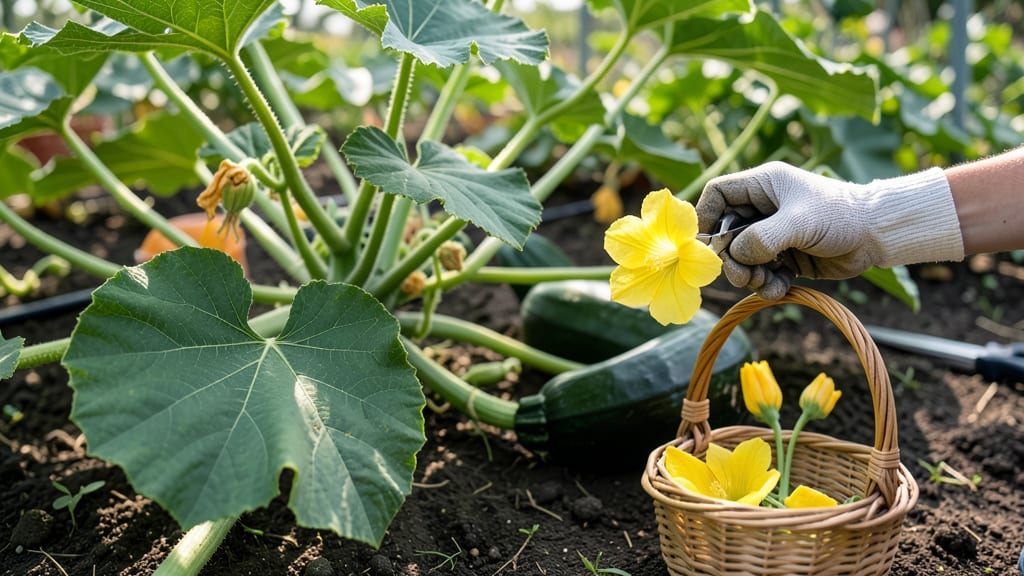
Harvesting squash blossoms at the right time is the key to a garden overflowing with 🎃 fruit, but most gardeners miss the window—and end up with empty vines.
Squash blossoms are nature’s secret weapon for a bountiful harvest, but picking them at the wrong time can leave you with empty vines. Timing is everything when it comes to maximizing pollination and fruit production.
If you’ve ever watched your squash plants burst with flowers only to see them drop without setting fruit, you’re not alone. The solution lies in knowing exactly when to harvest those delicate blossoms—and which ones to leave alone.
In this guide, I’ll walk you through the best time of day to pick, how to tell male from female flowers, and even how to use the harvested blossoms in your kitchen. By the end, you’ll know exactly what to do to turn your squash patch into a fruit-producing powerhouse.
Best time of day to harvest squash blossoms for pollination
Harvesting squash blossoms at the right time ensures your plants produce the most fruit while keeping your kitchen stocked with edible flowers. The best time of day to harvest depends on temperature, sunlight, and whether you're harvesting for pollination or cooking.
Morning is ideal because the dew has dried but the temperature is still mild, reducing stress on the plant.
Squash blossoms are delicate, and harvesting them at the wrong time can disrupt fruit development. If you pick too early, the flowers may not have fully opened, while harvesting too late can leave your vines under-pollinated.
Understanding the optimal window ensures you balance culinary use and plant productivity.
Temperature plays a critical role in pollination success. Squash blossoms thrive in warm days (70-85°F) but cool nights (55-65°F). If temperatures drop below 50°F, blossoms may fail to open, reducing your chances of fruit set.
Harvesting in these conditions can also stress the plant, leading to fewer flowers overall.
Light intensity matters too. Direct sunlight between 9 AM and 12 PM is when squash blossoms are at their peak for pollination. If you harvest during this window, you’re more likely to find fully open flowers with active pollen.
For female blossoms, morning harvests ensure the tiny fruit bulb at the base remains intact, giving your squash the best chance to develop.
Male and female blossoms have different harvest priorities. Male flowers (with long stems) are best harvested in the late morning when they’re fully open but before they wilt in heat.
Female flowers (with a tiny squash at the base) should be harvested in the early morning to preserve their pollination potential. If you’re harvesting for culinary use, male blossoms are the way to go—they’re more tender and flavorful.
Pro tip: Use a sharp pair of scissors or pruners to avoid damaging the plant. Cut the stem at a 45-degree angle, about 1 inch below the flower.
This encourages new growth and reduces the risk of disease entry points. Always harvest only what you need—over-harvesting can leave your squash plants under-pollinated and fruitless.
If you’re hand-pollinating, harvest male blossoms in the morning and use them immediately. Gently brush the pollen from the stamen onto the female blossoms before they fully open.
This mimics bee activity and ensures even plants with few pollinators produce fruit. Timing is key—do this between 8 AM and 10 AM for the best results.
Remember, consistency is key. Harvesting at the same time each day trains your plant to produce more blossoms during the optimal window. Keep a small notebook to track which times yield the most viable flowers and adjust as needed.
With practice, you’ll find the perfect balance between harvesting for pollination and culinary use.
By mastering the best time of day to harvest squash blossoms, you’ll not only boost your fruit production but also enjoy fresh, homegrown edible flowers for your favorite dishes. Happy harvesting! 🌿
How to identify male vs female squash blossoms before harvesting
Understanding the difference between male and female squash blossoms is crucial for maximizing your harvest. Female flowers hold the potential for fruit production, while male flowers primarily support pollination. If you accidentally harvest the wrong ones, you could end up with fewer squash to enjoy later in the season.
Female blossoms are the fruit producers of your squash plant. They’re easily identifiable by a tiny squash at their base, often called a "peapod." Male flowers, on the other hand, grow on long stems and lack this tiny fruit bump.
Knowing how to spot these differences ensures you’re preserving the flowers that matter most for your harvest.
| Feature | Male Blossoms | Female Blossoms |
|---|---|---|
| Stem Attachment | Long, slender stem | Short stem with tiny fruit bump |
| Base Shape | No swelling or bump | Small squash (peapod) present |
| Purpose | Pollination only | Fruit development |
| Harvest Impact | Safe to harvest (culinary use) | Avoid harvesting (needed for fruit) |
When inspecting your squash plants, focus on the base of the blossom. If you see a small, round bump—about the size of a pea—you’ve found a female flower.
This bump will eventually grow into your prized squash. Male flowers, however, will have a smooth stem with no signs of future fruit.
If you’re unsure, take a moment to examine the flower closely. Female flowers often appear slightly larger and fuller than their male counterparts. This visual cue can help you make quick decisions while harvesting. Remember, preserving female blossoms is key to a successful squash harvest later in the season.
Pro tip: Use a small notebook to track which flowers you’ve identified. This practice helps you monitor your plant’s progress and ensures you’re not accidentally removing critical blossoms. A well-maintained squash plant can produce dozens of flowers, but only the female ones will yield fruit.
By mastering this skill, you’ll not only boost your squash yield but also enjoy the added bonus of edible male blossoms, which are delicious when fried or used in salads. Happy harvesting! 🌱🎃