
Planting
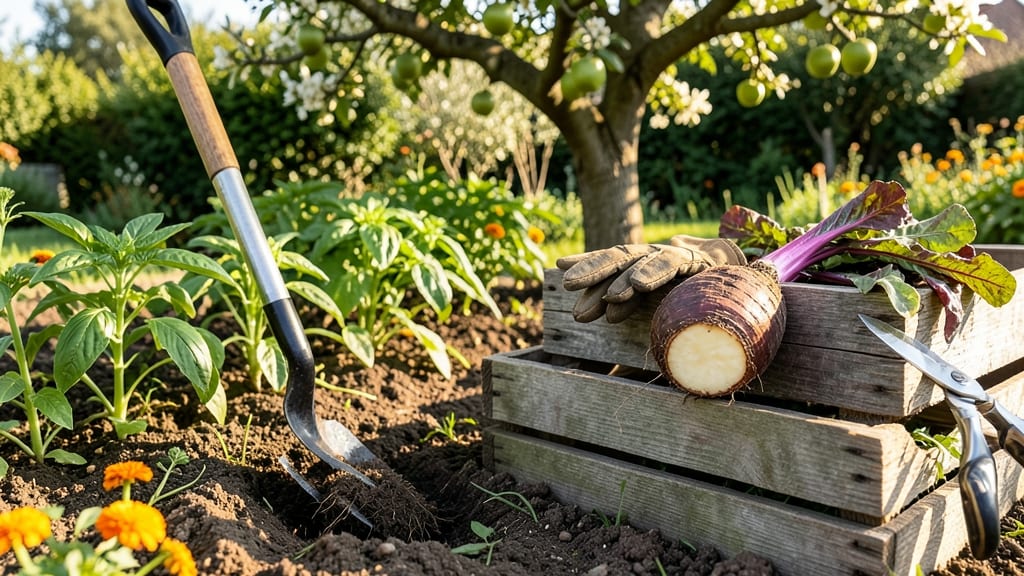
Harvesting chicory root at the right time unlocks its rich, coffee-like flavor—but miss the window, and you’re left with bitter, tough roots that won’t store well.
Picture this: you’ve nurtured your 🌱 chicory all season, watching those deep green leaves unfurl, only to wonder, "When is it really ready?" The answer lies in the first frost, when the leaves yellow and the roots swell to 3-4 inches thick.
That’s your cue to dig—before the soil freezes or the roots get woody.
Timing matters because chicory roots develop two distinct flavors: sweet and earthy when young, bold and coffee-like when fully mature. Pull them too early, and you’ll taste bitterness; wait too long, and the texture turns rubbery. The key is knowing the visual and temperature signals that guarantee the best harvest.
In this guide, I’ll walk you through exactly how to harvest chicory root—from recognizing the perfect moment to cleaning, storing, and even roasting it for that café-quality taste at home. No more guesswork, just flavor-packed roots ready for your kitchen.


Chicory root harvest timing: when to pull for peak flavor
Timing your chicory root harvest is everything—pull too early, and you’ll get small, bitter roots. Wait too long, and the flavor becomes overly intense or woody. The key lies in understanding the three distinct growth stages of chicory: leaf production, bud formation, and root maturation.
Each stage offers a different harvest window, with the root stage being the most prized for its rich, coffee-like flavor when timed perfectly.
Most gardeners focus only on the root harvest, but the leaves and buds also have their moments. Young leaves make excellent salad greens, while tight buds can be blanched like endive. However, the root itself is where chicory truly shines—especially when harvested after the first frost.
This cold snap triggers natural sugars to convert, creating that deep, caramelized sweetness we all love in roasted chicory.
🌱 3 Critical Stages for Chicory Harvest Timing
-
Stage 1: Leaf Production (30-60 days)
Harvest young leaves for salads when they reach 4-6 inches tall. Avoid cutting more than 1/3 of the plant to encourage regrowth. -
Stage 2: Bud Formation (70-90 days)
Blanch tight buds (like endive) when they form but before flowering. Look for compact, pale heads—these are ideal for forcing indoors. -
Stage 3: Root Maturation (100-150 days)
The prime harvest window for roots occurs after the first frost when leaves yellow and die back. Roots should be 3-4 inches thick and pull easily from the soil.
Climate plays a huge role in your chicory harvest timing. In USDA Zones 3-5, the first frost (typically October-November) signals the perfect window for root harvest. But if you’re in Zones 6-9, chicory may overwinter and need harvesting the following spring (March-April).
The key visual cue? Yellowing leaves and cool soil temperatures (below 60°F)—these indicate the roots are sweeter and less bitter.
One common mistake is harvesting roots when they’re still too small (under 2 inches). These will be woody and lack the deep, caramelized flavor we crave. Instead, wait until the roots are 3-4 inches in diameter and the foliage starts to wilt naturally.
Think of it like coffee beans—roasting (or in this case, harvesting post-frost) brings out the best flavors.
For overwintered chicory, the timing shifts slightly. If you planted in late summer and let it grow through fall, harvest in early spring before new shoots appear. The soil should be workable but cool—this balance ensures tender roots without the bitterness of early harvests.
Test a few roots by cutting into them: the ideal harvest shows a creamy white center with minimal brown streaks.
Don’t overlook the moon phase either! Some gardeners swear by harvesting roots during a waning moon (when the moon is shrinking) for sweeter results. While not scientifically proven, it’s a fun tradition that aligns with the root’s natural energy.
Pair this with your frost timing, and you’ve got a foolproof system for peak-flavor chicory.
If you’re growing chicory in containers, harvest timing stays the same, but watch for root-bound signs. Roots that circle the pot or break the surface are ready. In-ground chicory, however, gives clearer signals: easily pulled roots with minimal soil resistance are your green light to harvest.
Grab a handful of soil—if it’s cool to the touch, your chicory is ready.
For those in dry climates, irrigation matters. Chicory needs consistent moisture during root development, but stop watering 1-2 weeks before harvest to let the soil dry slightly. This reduces bitterness and makes roots easier to dig.
Use a garden fork to loosen the soil around the base before pulling—this prevents breakage and ensures you get the full root intact.
Finally, remember that chicory roots continue to sweeten after harvest if stored properly. The moment you pull them is just the beginning—roasting or fermenting them later will deepen that coffee-like flavor. But get the timing right now, and you’ll reward yourself with months of home-brewed chicory goodness. 🌱
How to harvest chicory root without damaging future growth
Harvesting chicory root at the right time ensures a sweet, earthy flavor without compromising next year's crop. The key is patience—wait until the leaves yellow and die back after the first frost, signaling the root’s peak sweetness.
This usually occurs in late fall (October-November) in most climates, but timing depends on your USDA zone and frost patterns.
Once you’ve confirmed the optimal harvest window, the next challenge is extracting the roots without breaking them. Gentle extraction is critical to avoid damaging the fibrous root structure, which can lead to spoilage or poor storage life.
Whether you choose hand-pulling or a garden fork, the method you pick will impact both the root’s integrity and your future harvest potential.
Harvesting Methods: Pros & Cons
| Method | Pros | Cons |
|---|---|---|
| Hand-Pulling | Gentle on roots, minimal damage, ideal for loose soil | Time-consuming, requires patience, may not work in compacted soil |
| Garden Fork | Faster, works in dense soil, less strain on your back | Risk of root punctures, may damage nearby roots |
For best results, use a hand fork with widely spaced tines to gently loosen soil around the root’s perimeter before pulling. This reduces breakage while still being efficient.
After extracting the chicory roots, clean them immediately to remove excess soil and debris. Use a soft brush or hose to avoid scratching the skin, which can lead to premature spoilage.
Trim off any broken or damaged sections with a sharp knife, leaving only the firm, unblemished portions for storage or use.
Once cleaned, your next decision is how to preserve the flavor and extend shelf life. Drying is the most traditional method, concentrating the earthy, coffee-like notes while allowing roots to last for months.
Alternatively, refrigeration keeps roots crisp for up to 2-3 weeks, ideal if you plan to use them fresh in salads or roasted dishes.
For drying chicory roots, slice them into ¼-inch thick rounds and spread them evenly on a dehydrator tray or baking sheet. Dry at 135°F (57°C) for 6-8 hours until brittle. Store the dried slices in an airtight container away from light to preserve their intense flavor.
Refrigeration, on the other hand, requires minimal prep—just wrap whole roots in paper towels and store them in a plastic bag in the crisper drawer.
Regardless of your chosen method, label and date your stored chicory roots to track freshness. Properly stored roots retain their flavor and texture for 3-6 months, making them a versatile addition to your pantry.
Whether you’re roasting them for a coffee substitute or adding them to winter salads, harvesting with care ensures you’ll enjoy their unique taste all season long.