
How To
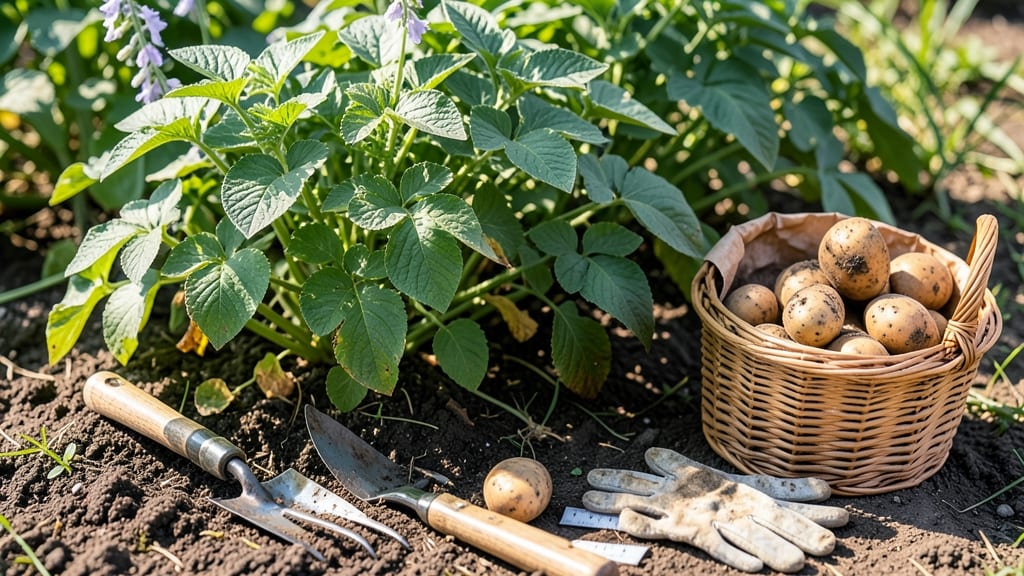
Harvesting potatoes in Ohio at the right time ensures perfect, flavorful tubers instead of shriveled or rotten ones.
Ohio gardeners know timing is everything when it comes to harvesting potatoes—and getting it wrong means small yields or even rotten tubers. But with the right soil temperature cues, you can dig up perfect potatoes every season.
Too early, and you risk green, bitter tubers with toxic solanine. Too late, and the potatoes turn shriveled and tough. The key is watching for soil temperatures between 50°F and 65°F, when the foliage starts yellowing and dying back naturally.
Below, I’ll break down the exact signals to watch for—plus how Ohio’s 6a climate and variable weather can shift your harvest window by weeks.


Optimal soil temperature for harvesting potatoes in Ohio’s climate zones
Ohio’s USDA hardiness zones 5-7 create unique challenges for potato harvests, where soil temperature directly impacts tuber quality. Unlike warmer climates, Ohio’s cooler springs and variable summers demand precise timing—harvest too early, and you’ll get green, toxic tubers; too late, and they’ll shrivel or rot in the ground.
Your ideal harvest window falls when soil temperatures consistently stay between 50°F and 65°F—the sweet spot for Ohio’s early, mid, and late varieties. This range ensures tubers mature fully without overheating or developing solanine, a toxin that forms in green-skinned potatoes exposed to light.
In Zone 5 (northern Ohio), aim for harvests between late July and early September, while Zone 7 (southern Ohio) can extend harvesting until mid-October. The key? Monitoring soil—not air—temperature, which can vary dramatically even on sunny days.
| Zone | Ideal Soil Temp (°F) | Harvest Window | Testing Method |
|---|---|---|---|
| 5 (Northern OH) | 50–58°F | Late July–Early Sept | Soil thermometer (6" deep) |
| 6 (Central OH) | 52–62°F | Early July–Mid Sept | Hand-in-soil test |
| 7 (Southern OH) | 55–65°F | Late June–Mid Oct | Both methods |
*Test soil 6" deep in partial shade for accuracy.
To test soil temperature accurately, use a soil thermometer inserted 6 inches deep (where most tubers form). For a no-tools method, stick your hand into the soil—if it feels warm but not hot (like a cozy bath), it’s likely in the 50–65°F range.
Avoid testing after rain or in direct sunlight, as moisture and heat skew readings.
Ohio’s clay-heavy soils (common in Zones 5–6) retain heat longer than sandy soils, so monitor temperatures daily during harvest season. In Zone 7, where summers linger, watch for soil temps above 70°F, which signals it’s time to harvest new potatoes (small, tender tubers) before they overmature.
For storage potatoes (larger tubers kept for winter), wait until foliage yellows and dies back—a sign tubers have fully matured. Cure them in a dark, humid space (60–70°F) for 1–2 weeks to thicken skins and improve storage life. In Ohio’s humid climate, this step is critical to prevent rot.
Early varieties like ‘Yukon Gold’ can be harvested as soon as soil hits 55°F, while late varieties like ‘Russet Burbank’ need 60–65°F for optimal size. Always harvest on a dry, overcast day to minimize skin damage and disease risk from Ohio’s frequent rainfall.
Pro tip: If a frost warning appears before your potatoes are ready, harvest immediately—even if tubers aren’t fully sized. Cure them briefly (1–2 days) to toughen skins before storing in a cool, dark basement (40–50°F) to extend shelf life through winter.
Remember, Ohio’s variable weather means flexibility is key. Check soil temps morning and evening, and adjust your harvest plan if a heatwave or cold snap disrupts the ideal range. With these cues, you’ll pull perfect potatoes every season—no more green messes or shriveled disappointments! 🌱
Signs your Ohio potatoes are ready to harvest (beyond temperature)
Ohio’s unpredictable weather—from sudden droughts to heavy rains—can throw off even the most experienced gardener’s harvest timing. While soil temperature is key, don’t overlook the visual and tactile cues your potato plants give.
These signals often appear 1-2 weeks before ideal harvest conditions, especially in Ohio’s variable climate zones 5-7. Ignoring them can mean small, green tubers or shriveled, over-mature potatoes.
Start by checking your potato plant foliage—this is your first clue. When the leaves turn yellow and begin to die back naturally, it’s a clear sign the plant is redirecting energy to the tubers below.
This process, called senescence, typically happens 2-3 weeks before the tubers reach peak maturity. In Ohio’s humid summers, this yellowing can happen faster, so stay vigilant.
Next, examine the flowers and stems. If the blooms have wilted and fallen off, and the stems are drying out, your potatoes are likely ready. However, don’t confuse this with disease-related wilting—healthy plants will show even yellowing across all leaves, not just brown or blackened patches.
Ohio’s late-summer heat waves can accelerate this process, so monitor your plants closely during July and August.
🌱 5 Key Signs Your Ohio Potatoes Are Ready to Harvest
- 1. Foliage Yellowing: Leaves turn uniform yellow and die back (not just brown spots).
- 2. Wilted Flowers: Blooms drop off and stems become brittle.
- 3. Tuber Firmness: Gently press tubers through soil—they should feel firm, not mushy.
- 4. Skin Thickness: Skin resists gentle pressure (no green spots or softness).
- 5. Size Consistency: Tubers are 2-3 inches wide (check a few for uniformity).
🌧️ Ohio Pro Tip: After heavy rain, wait 3-5 days to harvest—wet soil can damage tubers and spread disease.
For a tactile check, dig up a few potatoes to test their readiness. Use a hand trowel or fork to gently lift the soil near the plant base. If the tubers are firm and 2-3 inches in diameter, they’re likely ready.
Avoid harvesting if the skin is still thin or the stem end is green—this indicates toxic solanine buildup. Ohio’s clay-heavy soils can delay tuber firmness, so give them extra time if your garden holds moisture.
Don’t wait too long, though. Once the foliage is completely dead and the tubers start shrinking, your potatoes will become woody and inedible. In Ohio, this often happens by mid-September, especially in northern zones (5-6).
If you’re growing early varieties, they may be ready as early as late July, while late varieties can wait until early October—but only if the weather cooperates.
Finally, consider Ohio’s weather patterns. A dry spell can speed up maturity, while prolonged rain may cause tubers to split or rot. If you’re unsure, do a partial harvest—dig up a few potatoes to test.
Store them in a cool, dark place (like a ventilated cardboard box) for a week to cure the skins, then check for readiness. This method works especially well for Ohio’s variable harvest windows.