
Tools
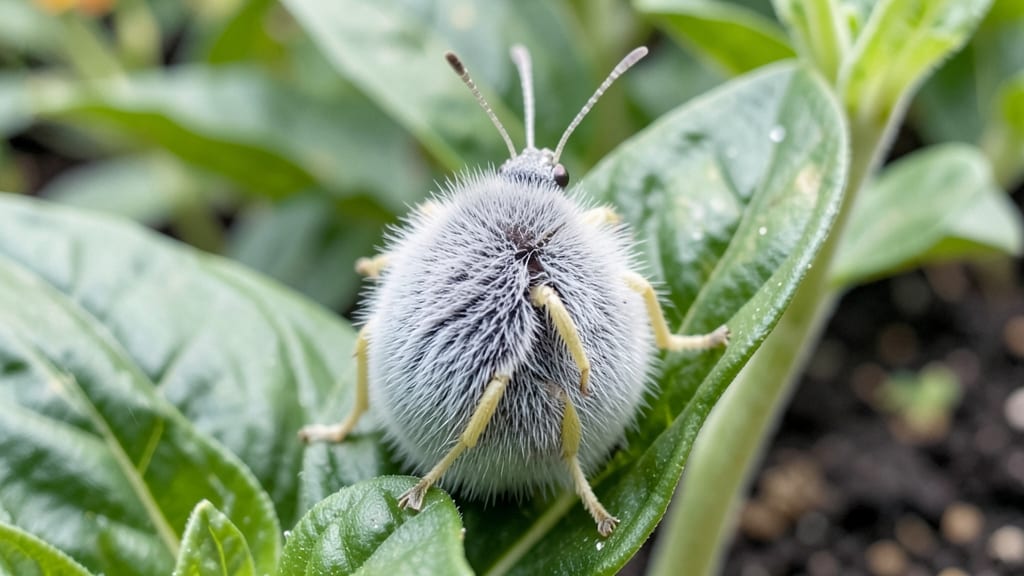
Gray bugs in your garden aren’t just a nuisance—they’re a fast-moving threat to your plants, and the longer you wait, the harder they are to control.
Discovering gray bugs crawling across your plants can turn your garden from a thriving paradise into a pest-infested nightmare—but identifying them fast is the key to saving your harvest.
These tiny invaders, whether mealybugs, scale insects, or fungus gnats, thrive in hidden spots and leave behind sticky residue or stunted growth.
Don’t panic—most gray bugs can be eliminated with the right approach. In this guide, I’ll walk you through 12 common culprits, how to spot them instantly, and the most effective natural and chemical solutions to get rid of them for good.
You’ll also learn preventive strategies to keep your garden pest-free, so you can focus on what matters: a lush, healthy, and thriving green space.
12 Most common gray bugs in garden & how to spot them instantly
Spotting gray bugs on your plants can feel like a gardening crisis—but don’t panic! Many of these pests have distinct features that help you identify them quickly. The key is knowing what to look for: size, shape, habitat preferences, and the type of plant damage they leave behind.
I’ve seen everything from tiny mealybugs hiding in leaf crevices to larger scale insects coating stems with sticky residue.
Gray bugs often thrive in warm, humid conditions, but some love dry, shaded spots too. Their presence usually means your plants are under stress—whether from overwatering, poor soil, or nutrient deficiencies.
The good news? Most can be controlled before they cause serious harm if you catch them early. Let’s dive into the 12 most common gray garden pests and how to spot them instantly.
Here’s a quick reference guide to help you identify these pests by their physical traits, behavior patterns, and the damage signs they leave on your plants.
| Bug Name | Size | Key Features | Plant Damage | Habitat |
|---|---|---|---|---|
| Mealybugs | 1/16" - 1/4" | White-gray, cottony masses; legs visible | Sticky honeydew; curled leaves | Underside of leaves, leaf axils |
| Scale Insects | 1/16" - 1/4" | Gray/brown, shell-like bodies; immobile | Yellowing leaves; sooty mold | Stems, branches, leaves |
| Spider Mites | 1/50" - 1/25" | Grayish, spider-like; webbing present | Speckled leaves; fine webbing | Underside of leaves |
| Fungus Gnats | 1/8" | Gray, mosquito-like; jumpy | Wilting seedlings; root damage | Potting soil, moist areas |
| Whiteflies | 1/16" | Gray-white, winged; fly when disturbed | Sticky residue; yellowing leaves | Underside of leaves |
| Thrips | 1/20" | Gray, slender; winged or wingless | Scratched leaves; silver streaks | Flowers, new growth |
| Aphids (Gray Varieties) | 1/16" | Soft-bodied, gray-green; clustered | Curled leaves; honeydew | New shoots, underside of leaves |
| Caterpillars (Gray) | 1/2" - 2" | Hairy or smooth; gray with stripes | Holes in leaves; frass (droppings) | Leaves, stems, flowers |
| Leafminers | 1/8" |
Natural & chemical solutions to eliminate gray garden bugs fastWhen gray bugs invade your garden, acting quickly is crucial to protect your plants. These pests—like mealybugs, scale insects, or fungus gnats—can weaken plants by sucking sap or spreading diseases. The good news? You have effective natural and chemical options to eliminate them without harming your garden's ecosystem. Start with organic solutions like neem oil or insecticidal soap, which are safe for most plants and beneficial insects. For severe infestations, targeted chemical pesticides like pyrethrin-based sprays can provide faster results. Always match your treatment to the pest type and plant sensitivity to avoid collateral damage. Natural vs. Chemical Solutions for Gray BugsNatural Solutions
Chemical Solutions
For mealybugs and scale insects, I recommend starting with a 70% alcohol spray (diluted to 50%) to dissolve their protective coatings. Apply directly to clusters on leaves or stems using a soft-bristle brush for precision. Reapply every 3-5 days until they disappear. If natural methods fail, switch to pyrethrin-based sprays like Safer Brand Pyrethrin Concentrate. Mix 1 teaspoon per gallon of water and spray early in the morning to avoid harming bees. Always wear gloves and a mask when handling chemicals, and avoid spraying flowering plants to protect pollinators. For fungus gnats, focus on soil treatments like Bacillus thuringiensis (Bt) or hydrogen peroxide (3% solution). Water the soil until moist, then apply the treatment to the top inch. Repeat weekly until the larvae stage is controlled. Pair this with yellow sticky traps to catch adult gnats. Prevent future infestations by inspecting new plants before bringing them home, removing infested leaves immediately, and maintaining healthy soil with compost. A balanced ecosystem with ladybugs and lacewings can also deter gray bugs naturally. |