
Pruning
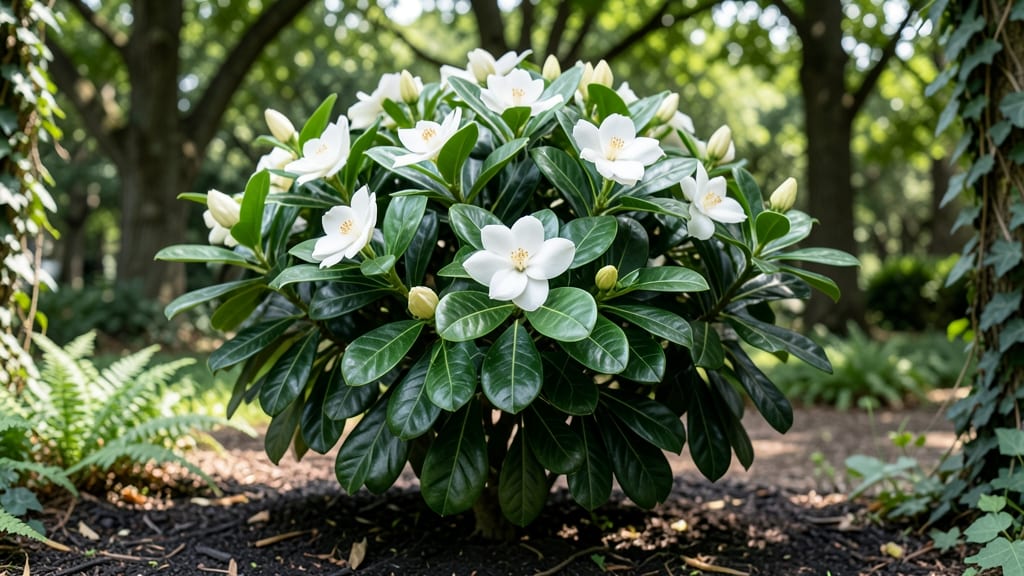
A gardenia tree’s height can reach 6 to 15 feet if left unchecked, but with the right care, you can keep it compact and blooming beautifully.
If your gardenia tree is towering over your patio or failing to produce the fragrant blooms you love, controlling its height naturally is the key to a lush, manageable plant that keeps delivering stunning flowers year after year.
Genetics play a role—some varieties stay shorter, while others grow tall—but sunlight, soil, and pruning are the real game-changers. A little strategic trimming in early spring can keep your 🌸 gardenia tree at a manageable height without sacrificing those intoxicating blooms.
In this guide, I’ll walk you through how to manage its growth naturally, the best pruning techniques for compact blooms, and common mistakes that make gardenias grow too tall—so you can enjoy a perfectly sized, fragrant gardenia for years to come.

Natural factors that influence gardenia tree height and how to manage them
Your gardenia tree can grow anywhere from 3 feet to towering 15 feet, but its final height depends on more than just time. The genetics of your variety, sunlight exposure, and even soil conditions play critical roles in determining whether your plant stays compact or stretches skyward.
Understanding these natural factors lets you guide its growth without harsh chemicals, ensuring a bloom-rich shrub that fits your space perfectly.
For example, a dwarf gardenia like 'Kleim's Hardy' typically stays between 3-5 feet, while standard varieties like 'Radicans' can reach 10-15 feet if left unchecked. The key to managing height lies in balancing these natural influences with strategic pruning and cultural care, which we'll explore in detail below.
Start by choosing the right location and variety for your garden's conditions.
🌱
One of the most overlooked factors in gardenia tree height is the variety you select. If you're planting in a small garden or container, prioritize dwarf or semi-dwarf varieties like 'Fortuniana' or 'Veitchii', which naturally stay under 6 feet.
These varieties are bred to produce abundant blooms while maintaining a manageable shape. For larger landscapes, standard varieties like 'Radicans' can thrive but require regular pruning to control their height.
Another critical factor is sunlight exposure. Gardenias crave bright, indirect light—specifically, 4-6 hours of morning sun followed by afternoon shade. When gardenias don’t get enough light, they stretch toward any available sunlight, resulting in tall, leggy growth with fewer blooms.
Conversely, too much direct afternoon sun can scorch leaves and stress the plant, indirectly encouraging rapid vertical growth. To manage this, position your gardenia near an east-facing window or under a light dappled tree.
Your gardenia’s soil conditions also play a surprising role in its height. These plants thrive in acidic, well-draining soil with a pH between 5.0 and 6.5. If your soil is alkaline or compacted, roots struggle to absorb nutrients efficiently, leading to weak, elongated stems.
Amend your soil with peat moss or pine bark to lower pH and improve drainage. A simple soil test can reveal if your gardenia’s height issues stem from poor soil health—fixing this can transform its growth pattern entirely.
Pruning is the most direct way to manage gardenia tree height, but timing and technique matter. Always prune after the flowering season (typically late summer or early fall) to avoid cutting off next year’s blooms.
Use clean, sharp pruners to make cuts just above a leaf node or bud, which encourages bushier growth. Avoid topping (cutting the main stem flat), as this can stimulate tall, weak shoots. Instead, focus on shaping the outer branches to create a full
Step-by-step pruning guide for compact gardenia trees with maximum blooms
Pruning your gardenia tree isn’t just about controlling its height—it’s about unlocking its full blooming potential. When done correctly, pruning encourages dense foliage, better airflow, and more fragrant flowers while keeping your plant at your desired compact height. The key is timing, technique, and a little patience.
Most gardeners make the mistake of pruning at the wrong time or cutting too aggressively, which can stress the plant and reduce blooms. Instead, follow this seasonal pruning schedule to maintain a 3-5 ft dwarf gardenia or a 5-8 ft semi-dwarf while maximizing those iconic white blossoms.
Ready to transform your gardenia into a blooming powerhouse?
🌿 Seasonal Pruning Steps for Compact Gardenia Trees
- Remove dead or diseased branches first—cut back to the main stem or healthy growth. Use sterilized pruners to prevent spreading disease.
- Trim overcrowded branches to improve airflow, which reduces fungal risks like powdery mildew.
- Shape the tree by cutting back long, leggy growth by 1/3 of its length to encourage bushier growth.
- Pinch back new growth tips to promote branching and a fuller shape. This is ideal for dwarf varieties.
- Remove spent blooms (deadheading) to redirect energy to new flower buds.
- Avoid heavy pruning now—focus on light shaping to maintain your target gardenia tree height.
- Prune to remove any weak or crossing branches that could hinder growth or cause disease.
- Lightly trim overly long branches to prepare the plant for winter dormancy.
- Clean up fallen leaves and debris around the base to prevent pests and diseases.
- If your gardenia bloomed heavily, prune lightly to remove any stunted or sparse branches.
- Focus on airflow improvement by thinning out the center of the plant if it’s becoming too dense.
- Avoid heavy pruning now—this is the plant’s resting period.
Pro tip: Always use sharp, clean pruners to make clean cuts at a 45-degree angle just above a leaf node or bud. This encourages faster healing and healthier regrowth.
For dwarf gardenias, aim to prune no more than 25% of the plant in any single session to avoid stress.
After pruning, give your gardenia a light fertilizer application (like a 10-10-10 balanced fertilizer) to support new growth. Water deeply but avoid overwatering, as gardenias hate soggy roots. With consistent care, your compact gardenia tree will reward you with abundant blooms and a manageable size all season long.
🌸 Remember, the goal isn’t just a shorter plant—it’s a healthier, more productive gardenia that stays within your desired height range while still filling your garden with that intoxicating fragrance.