
Aphids
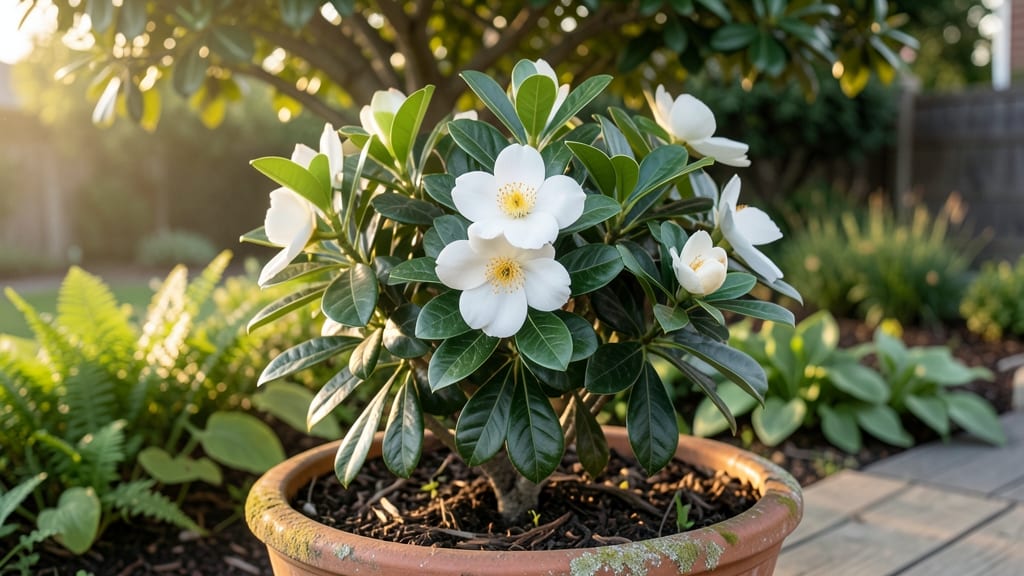
A gardenia’s mature height and width determine whether it thrives as a fragrant focal point or fades into a struggling shrub 🌸 — understanding these dimensions is the key to planting success.
Struggling to get your gardenia to grow lush and fragrant? The secret lies in knowing its ideal height and width—and proper spacing can make all the difference between a showstopping centerpiece and a struggling shrub.
Standard varieties like Cape Jasmine can reach 4 to 6 feet tall and 3 to 5 feet wide, while dwarf types stay compact at 2 to 3 feet. These measurements directly impact airflow, sunlight exposure, and even bloom production.
In this guide, you’ll discover proven spacing tips, pruning techniques to control growth, and how to adjust care based on your gardenia’s mature size—so you can enjoy healthy, fragrant blooms year after year.

Gardenia height and width: standard growth ranges by variety
If you're dreaming of a garden filled with the intoxicating fragrance of gardenias, understanding their mature height and width is the first step to success.
These stunning shrubs vary dramatically in size, from compact dwarf varieties to towering standard types, and knowing their growth habits helps you plan your garden layout for maximum beauty and airflow.
Most gardenias reach their full height within 3-5 years, but their final size depends heavily on the variety you choose. For example, the popular Cape Jasmine can climb to 10 feet when trained as a vine, while the Kleim’s Hardy Gardenia stays a manageable 3-4 feet tall.
Even small differences in spacing can mean the difference between a thriving bush and one struggling for sunlight.
| Variety | Mature Height (ft) | Mature Width (ft) | Growth Habit | Climate Notes |
|---|---|---|---|---|
| Cape Jasmine (Gardenia jasminoides) | 4-6 ft | 3-5 ft | Upright, rounded | Thrives in USDA Zones 8-11; may need winter protection in Zone 7 |
| Kleim’s Hardy Gardenia | 3-4 ft | 3-4 ft | Compact, bushy | Cold-hardy to USDA Zone 6; ideal for northern gardens |
| Radicans Gardenia | 6-10 ft (climbing) | 2-4 ft (spread) | Vining, sprawling | Best for trellises; needs support to climb |
| Dwarf Gardenia (e.g., 'Kleim’s Blush') | 2-3 ft | 2-3 ft | Compact, mounded | Perfect for containers; tolerates cooler climates |
| Common Gardenia (Gardenia augusta) | 5-7 ft | 4-6 ft | Tall, pyramidal | Tropical; requires winter protection in Zones below 9 |
Climate plays a surprising role in gardenia growth. In warmer zones (8-11), gardenias grow faster and reach their mature height more quickly, often flowering by their second year.
However, in cooler climates (Zones 6-7), varieties like Kleim’s Hardy take longer to mature but produce hardier plants with better cold tolerance.
For example, a Cape Jasmine in Florida might hit 6 feet in 3 years, while the same plant in Georgia could take 5 years to reach the same height.
If you're growing gardenias in containers, expect their mature size to be 30-50% smaller than in-ground varieties. A standard Cape Jasmine might only reach 3 feet tall in a 15-gallon pot, while the same plant in the ground could easily double that height.
Container gardening also affects width—root-bound plants often become wider but less bushy as they compete for space.
For gardeners in small spaces or urban gardens, dwarf varieties like 'Kleim’s Blush' are game-changers. These compact plants stay under 3 feet tall and wide, making them perfect for patios, balconies, or even as potted centerpieces.
Their smaller size also means they require less pruning, which is a bonus for busy gardeners. Just remember: even dwarf gardenias need proper spacing (2-3 feet apart) to ensure good airflow and prevent fungal diseases.
One common mistake I see is planting gardenias too close together, which leads to crowded growth and fewer blooms. When shrubs compete for sunlight and nutrients, they often produce smaller, less fragrant flowers.
Always follow the mature width guidelines in the table above—this ensures each plant has enough room to develop a strong root system and support its full height without leaning or toppling.
Another factor to consider is how gardenia height affects your garden's microclimate. Taller varieties like the Common Gardenia can create shade for smaller plants beneath them, while dwarf types allow sunlight to reach the ground. If you're planting gardenias near other shrubs, leave at least
Optimal spacing for gardenia bushes: how to maximize airflow and blooms
Proper spacing isn't just about aesthetics—it's the key to healthy gardenia bushes that thrive and perfume your garden. When planted too closely, these shrubs compete for nutrients, struggle with poor airflow, and become prone to fungal diseases like powdery mildew.
Conversely, giving them room encourages better branching and more abundant blooms. The science is clear: spacing directly impacts your gardenia's ability to photosynthesize efficiently and resist pests.
Most gardenia varieties reach mature heights of 4-6 feet with a spread of 3-5 feet, but their spacing needs vary based on growth habits. Dwarf varieties like Radicans stay compact (2-3 feet tall), while standard types like Cape Jasmine demand more room.
Understanding these differences ensures your gardenia doesn't become a crowded, disease-ridden mess but instead becomes a fragrant, bushy centerpiece.
🌿 Gardenia Spacing Guidelines by Variety
- 1 Standard varieties (4-6 ft tall): Space 5-6 feet apart for full airflow and sunlight penetration.
- 2 Semi-dwarf varieties (3-4 ft tall): Allow 3-4 feet of space to prevent overcrowding.
- 3 Dwarf varieties (2-3 ft tall): Plant 2-3 feet apart for compact gardens or containers.
- 4 Container gardenias: Use one plant per 12-15 inch pot with drainage holes.
- 5 Hedge plantings: Space 2-3 feet apart for dense, uniform growth.
For in-ground plantings, dig a hole twice as wide as the root ball but no deeper to encourage outward root growth. This prevents waterlogging and gives roots room to establish quickly.
If planting in containers, choose pots that are at least 12 inches wider than the root ball—gardenia roots are shallow but spread wide. Always use a well-draining potting mix with perlite or orchid bark to mimic their native acidic soil conditions.
Adjust spacing based on your climate: in humid regions, increase airflow by adding an extra foot of space to prevent fungal issues. In dry climates, closer spacing (within recommended ranges) can help retain soil moisture.
Remember, gardenias thrive in partial shade, so avoid planting them where they'll compete with taller shade trees for sunlight.
When planting multiple gardenias, arrange them in odd-numbered groupings (3, 5, or 7 plants) for a natural, balanced look. This creates visual interest while maintaining proper airflow. For example, place three standard gardenias in a triangular formation with 5 feet between each plant.
In containers, group dwarf varieties in clusters of three to five for a lush, fragrant display.
Finally, monitor your gardenias after planting. If branches grow toward each other, gently spread them apart to maintain airflow. Prune back any overly dense growth in early spring to encourage an open, airy structure.
With the right spacing, your gardenias will reward you with glossy leaves and intoxicating blooms all season long. 🌸