
Tools
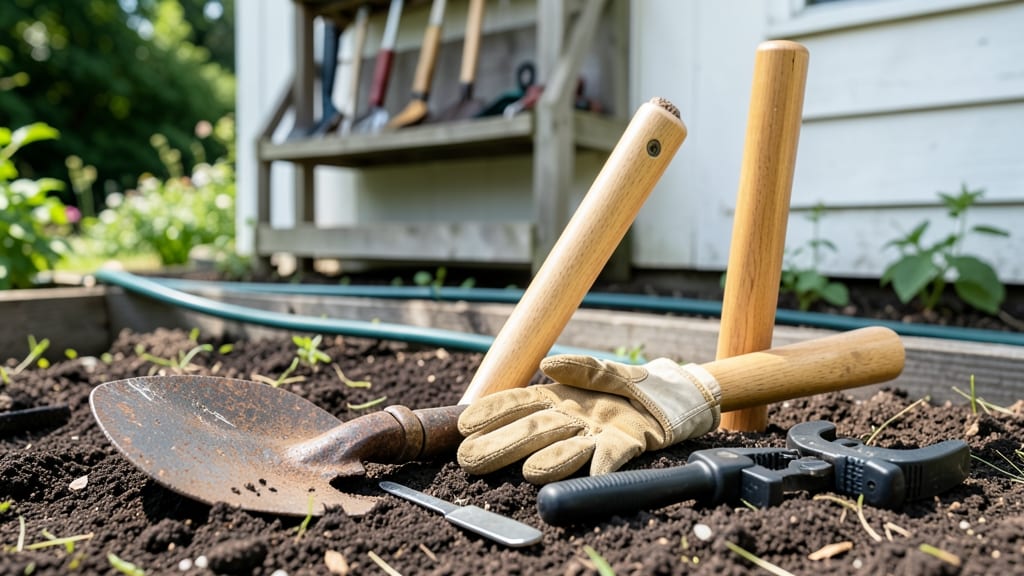
How to choose the perfect replacement garden hoe handle
Choosing the right replacement garden hoe handle can make all the difference in your gardening experience. A durable handle reduces fatigue, while the right length and material ensure precision and comfort.
Whether you're tackling weeds in a small raised bed or clearing overgrown paths, the handle you pick will impact your efficiency and enjoyment.
Your hoe handle should align with your gardening style—whether you prefer lightweight materials for quick tasks or heavy-duty options for tough soil. The wrong choice can lead to discomfort or even injuries over time. Let’s break down the key factors to consider before making your purchase.
Material is the first critical decision. Wood offers a classic feel but requires maintenance, while fiberglass and composite handles are low-maintenance and resistant to rot. Ergonomic grips also play a role in reducing hand strain during long sessions. Let’s compare your options in detail below.
Handle length affects your reach and leverage. A 24-inch handle is ideal for most gardeners, but taller individuals or those working in large plots may prefer 28- to 36-inch lengths. Shorter handles offer better control for precision tasks, while longer ones reduce bending.
| Material | Durability | Weight | Maintenance | Best For | Price Range |
|---|---|---|---|---|---|
| Wood (Ash, Hickory) | Moderate (splits over time) | Heavy | High (needs sealing) | Traditional gardeners | $10–$25 |
| Fiberglass | High (rot-resistant) | Light | Low (no treatment) | All-purpose use | $15–$35 |
| Composite (Fiberglass + Plastic) | Very High (weatherproof) | Light-Medium | None | Heavy-duty tasks | $20–$50 |
| Aluminum | Very High (rust-resistant) | Light | Low (rust prevention) | Professional use | $25–$60 |
For budget-friendly options, wood and fiberglass handles offer great value, especially if you’re replacing a single tool. However, if you’re investing in a long-term solution, composite or aluminum handles provide superior durability and require minimal upkeep. My personal preference is fiberglass for its balance of affordability and performance.
Consider the ergonomic grip next. Handles with textured or contoured grips reduce hand fatigue during extended use. If you have arthritis or carpal tunnel concerns, prioritize handles with thicker grips or foam padding. Some premium models even feature angled grips to improve leverage.
Length matters more than you might think. A 24-inch handle is the most common and works well for most gardeners, but if you’re over 6 feet tall, a 30-inch handle can reduce bending.
For children or smaller plots, a 18-inch handle offers better control. Always test the length before securing it to avoid awkward angles.
Finally, think about your storage space and portability needs. Longer handles take up more room in sheds or tool bags, while shorter handles are easier to transport. If you move your tools frequently, a compact design with a telescoping feature might be worth the extra cost.
Before purchasing, check your hoe’s handle attachment system. Some hoes use screws, wedges, or even epoxy for securing handles. Ensure your replacement handle is compatible with your hoe’s design to avoid frustration during installation. Always measure the shank diameter of your old handle to match it precisely.
With the right handle, your garden hoe will feel like a well-oiled machine, making weeding and soil prep a breeze. Take your time to compare materials, lengths, and grips—your hands (and back) will thank you! 🪓
Step-by-step guide: removing old handles and securing new ones
Replacing a garden hoe handle might seem intimidating, but with the right approach, it’s a quick and satisfying project. The key lies in proper disassembly and using the correct securing method for your new handle.
Whether you’re working with wooden, fiberglass, or metal handles, these steps ensure a snug, long-lasting fit.
Before you begin, gather your essential tools: a screwdriver or drill, wooden wedges (if needed), epoxy adhesive, and safety gloves. Skipping these preparations can lead to loose handles or even injuries. Always work in a well-ventilated area, especially when using adhesives.
Step-by-Step Guide to Replacing Your Hoe Handle
-
Step 1: Remove the Old Handle
Use a screwdriver or drill to loosen any screws securing the handle. If the handle is wedged in place, gently tap it with a mallet to free it. Inspect the head hole for damage or splinters. -
Step 2: Clean the Connection Area
Scrape away old adhesive or debris from the hoe head and handle socket using a putty knife. A clean surface ensures the new handle stays securely in place. -
Step 3: Choose Your Securing Method
For wooden handles, use wooden wedges or epoxy adhesive. For fiberglass or metal, screws or a tight-fitting socket work best. Epoxy is ideal for a permanent fix. -
Step 4: Insert the New Handle
Align the new handle with the hoe head and tap it gently into place using a mallet. For epoxy-secured handles, apply adhesive to the socket before insertion and let it cure for 24 hours. -
Step 5: Test for Stability
Once the handle is secure, test its stability by gripping it firmly and applying slight pressure. If it wobbles, add more adhesive or wedges as needed. A sturdy handle ensures effortless weeding for years.
If your new handle feels too loose, don’t panic. A quick fix is to apply a second coat of epoxy or insert a wooden dowel into the socket for extra grip.
For heavy-duty use, consider upgrading to a fiberglass handle, which resists splintering and warping better than wood.
Once your handle is securely in place, give it a final inspection. Check for any sharp edges on the handle and sand them down if needed. A smooth, well-fitted handle makes your gardening tasks safer and more enjoyable. Store your hoe in a dry place to prevent future damage.
With your newly secured handle, you’re ready to tackle weeds like a pro. A little time spent on this simple maintenance task will save you from frustration—and potential injuries—down the road. Happy gardening! 🪓