
Picking
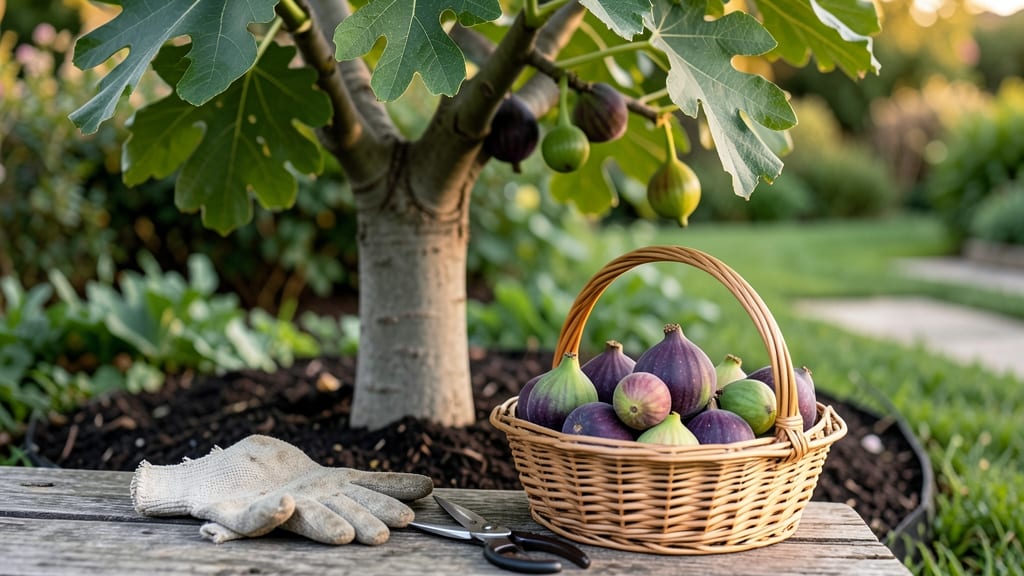
Fig harvest time arrives when those sweet, sun-ripened fruits turn from green to their full, vibrant color 🍈 — and timing it right means the difference between a burst of flavor and a sad, mushy mess.
Picture this: you’ve spent months tending to your fig tree, watching it grow from a small sapling to a fruit-bearing powerhouse. Now, the moment of truth arrives. But if you pick too early, the figs are hard and bland.
Too late, and they turn to mush in your hands. Knowing when to harvest isn’t just about color—it’s about texture, smell, and even the way the fruit gives just slightly when you press it.
In most regions, like USDA Zone 6a, figs ripen between late summer and early fall, typically from August through October. But climate plays a big role: a hot summer might speed things up, while cooler weather can stretch out the harvest.
The key is to watch for those telltale signs—deep color, soft skin, and an easy twist at the stem—before the birds or squirrels beat you to it.
Once you’ve nailed the harvest, the next challenge is keeping those figs fresh. In this guide, I’ll walk you through the best ways to store them—whether you’re enjoying them fresh, drying them for later, or freezing them to lock in that summer flavor.
Plus, I’ll share the common mistakes that turn a great harvest into a waste of effort.

When to harvest figs for maximum flavor and ripeness
Timing your fig harvest perfectly ensures sweet, flavorful fruit packed with nutrients. Figs ripen quickly once picked, so knowing the ideal harvest signs—like color changes, texture shifts, and stem separation—is key to avoiding wasted effort.
Different fig varieties (like Brown Turkey, Kadota, or Black Mission) mature at slightly different times, and even your local climate plays a role.
In most regions, figs reach peak ripeness between late summer and early fall, typically from August to October. However, warmer climates (like USDA Zone 8+) may see earlier harvests, while cooler areas might extend into November.
Paying attention to these seasonal cues helps you avoid common mistakes like picking figs too early or missing the sweetest window.
Here’s how to identify the perfect fig harvest time for maximum flavor:
| Variety | Color at Ripeness | Texture Sign | Stem Separation | Harvest Month |
|---|---|---|---|---|
| Brown Turkey | Deep purple-brown | Skin yields slightly | Pulls away easily | August-September |
| Kadota | Yellow-green | Skin softens | Twists off branch | September-October |
| Black Mission | Deep purple-black | Skin slightly wrinkled | Separates cleanly | Late August-October |
| Celeste | Greenish-yellow | Skin gives under pressure | Pulls away with twist | September |
Note: Harvest times vary by climate zone and tree maturity.
For all fig varieties, the best time to harvest is when the fruit’s color fully develops and the skin yields slightly when gently pressed. A ripe fig should also detach easily from the branch with a slight twist—this is your cue that it’s ready.
If the fig resists, it’s not quite ripe yet. Overripe figs may split or attract pests, so act quickly once you spot these signs.
Regional climate impacts your fig harvest time significantly. In hot, dry climates (like the Southwest U.S.), figs often ripen earlier, sometimes as early as July. Conversely, in cooler regions (like the Pacific Northwest), harvests may stretch into November.
Watch for local frost dates—figs can’t tolerate cold, so plan to harvest before the first frost hits your area.
Another key indicator is the leaves near the figs. When they start turning yellow or dropping, it’s a sign the fruit is nearing peak ripeness. This is especially true for varieties like Black Mission, which often ripen in clusters.
If you miss the first wave, don’t worry—many fig trees produce a second crop later in the season, though these may be smaller.
Harvesting figs at the right time isn’t just about taste—it’s also about preventing waste. Figs continue to ripen after picking, but they won’t improve if harvested too early. If you’re unsure, pick a few figs and taste them after a day or two.
The sweetest, most flavorful figs are those picked at the perfect moment, so trust your senses and the visual cues your tree provides.
Pro tip: Use a small knife or pruners to cut figs from the branch rather than pulling them. This reduces damage to the tree and makes the harvest process smoother.
Store freshly picked figs in a cool, shaded spot for up to 3 days before eating or processing—though they’re best enjoyed fresh when ripe.
Once you master the art of spotting the ideal fig harvest time, you’ll enjoy a bountiful, flavorful harvest year after year. Keep an eye on your tree, note the signs of ripeness, and don’t hesitate to pick a few samples to test.
With practice, you’ll become a fig-harvesting pro in no time!
How long do picked figs stay fresh? Storage tips to extend shelf life
Once you've mastered the fig harvest time, the next challenge is preserving those sweet, tender fruits. Freshly picked figs are delicate—if stored improperly, they can spoil in just 2-3 days at room temperature.
But with the right techniques, you can extend their freshness for up to 2 weeks or even preserve them long-term.
Figs are climacteric fruits, meaning they continue to ripen after picking. This makes timing critical—harvest them at the perfect moment to maximize both flavor and shelf life. The sooner you store them after picking, the longer they'll last.
Fig Freshness Rating
| Storage Method | Shelf Life | Best For |
|---|---|---|
| Room Temperature | 2-3 days | Immediate consumption |
| Refrigerated | 7-10 days | Short-term storage |
| Frozen | Up to 12 months | Long-term preservation |
| Dried | 6-12 months | Year-round snacking |
For room temperature storage, place figs in a single layer on a paper towel-lined plate. Keep them in a cool, dry place away from direct sunlight. The key is to prevent moisture buildup, which accelerates spoilage. If you notice mold or a sour smell, discard them immediately.
To extend freshness, refrigerate figs in a sealed container lined with a paper towel to absorb excess moisture. Wrap each fig individually in parchment paper if you want to maximize their lifespan. Check daily for soft spots or discoloration—these are early signs of spoilage.
For long-term storage, freezing is your best option. Wash and dry figs thoroughly, then place them in a single layer on a baking sheet. Freeze until solid, then transfer to an airtight container or freezer bag.
Frozen figs retain their flavor and texture for up to 12 months, making them perfect for smoothies or baking.
Drying figs is another excellent preservation method. Slice them in half and remove the stems, then dry in a dehydrator at 135°F (57°C) for 4-6 hours.
Store dried figs in an airtight container in a cool, dark place to prevent moisture absorption and extend their shelf life to 6-12 months.
Watch for these spoilage signs: wrinkled skin, dark spots, or a fermented odor. If figs feel mushy or develop a slimy texture, they’ve gone bad. Proper storage and quick action can help you enjoy your harvest for weeks—whether fresh, frozen, or dried!