
How To
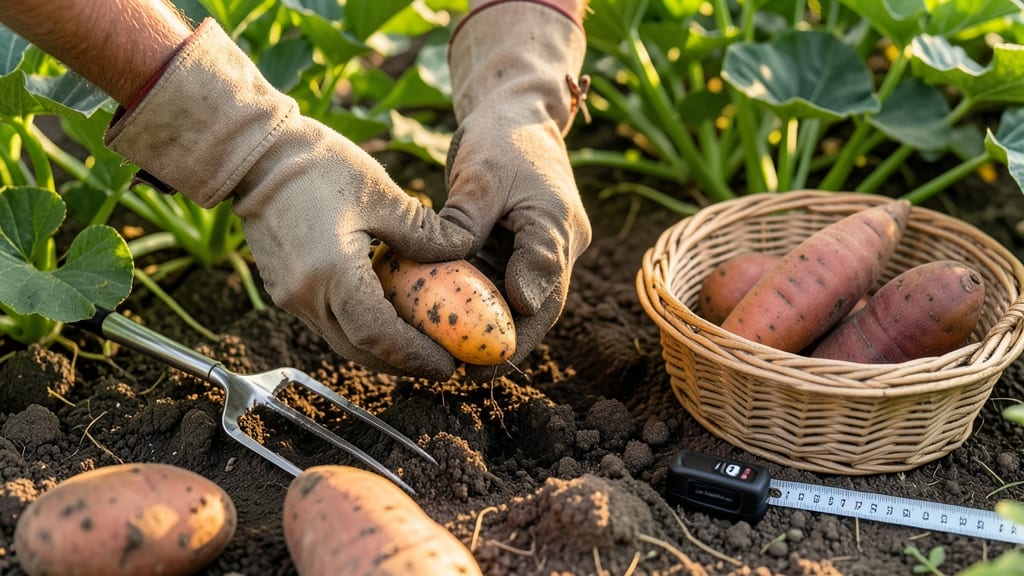
Harvesting sweet potatoes at the right time means the difference between tender, flavorful tubers and tough, woody roots 🍠—and these key signals tell you exactly when to dig.
Picture this: you’ve waited all summer, and now the vines are yellowing while the skin resists a gentle scratch. That’s your cue—harvest too early, and you’ll miss peak sweetness; wait too long, and frost turns your crop into inedible wood.
The clock is ticking, and missing these signs could cost you your entire harvest.
Most sweet potatoes are ready between 90 and 140 days after planting, but the real secret lies in the plant’s behavior. Leaf yellowing, skin toughening, and vine dieback aren’t just random changes—they’re nature’s countdown to harvest.
Ignore them, and you might end up with tubers that store poorly or taste bland.
In this guide, I’ll break down the three foolproof signs your sweet potatoes are ready, how to adjust for your climate zone, and what to do if frost sneaks up before you’re prepared. No more guesswork—just a perfect harvest every time.


3 Clear signs your sweet potatoes are ready for harvesting
Timing your sweet potato harvest is like catching a wave—too early and you miss the sweetness, too late and you risk frost damage or woody tubers. I’ve learned the hard way that relying on days after planting alone isn’t enough.
Instead, focus on these three visual and physical cues that tell you the perfect moment to dig. These signs matter because they directly impact flavor, texture, and storage life.
First, let’s talk about the foliage color change. When your sweet potato vines start turning yellow and wilting, it’s your plant’s way of telling you it’s redirecting energy to the tubers below.
This isn’t just about aesthetics—it’s a biological signal that the starches are concentrating in the roots, making them sweeter. Ignoring this sign means you might harvest too late, when the tubers start converting those starches into sugars that can make them less ideal for storage.
But here’s where many gardeners trip up: they wait until the vines are completely dead. That’s too late! By then, the tubers may have already started to sprout or develop a woody texture.
The key is to harvest when the vines are mostly yellow but still slightly green—this gives you that sweet spot between peak flavor and optimal storage potential.
Now, let’s talk about the skin texture test, which is my favorite trick for nailing the harvest window. Gently scratch the skin of a tuber with your fingernail. If it’s tough and doesn’t reveal green underneath, it’s ready.
This test matters because a green interior means the tuber is still growing and hasn’t fully matured. When the skin resists scratching, it’s a sure sign the tuber has reached its ideal size and flavor profile.
Here’s how I perform the skin test in my garden: I’ll dig up one tuber from the edge of the patch and check its skin. If it passes the scratch test, I’ll mark that spot and harvest the rest of the patch within the next 2-3 days.
This method saves me from digging up the entire bed prematurely or missing the harvest window entirely.
- 1. Foliage turns yellow but isn’t completely dead. This indicates the plant is redirecting energy to the tubers for maximum sweetness.
- 2. Skin resists scratching with no green underneath. A tough skin means the tuber is fully mature and ready for harvest.
- 3. Tubers are 2-3 inches in diameter. Smaller tubers are underdeveloped, while larger ones may become woody or sprouted.
The third and final sign is the tuber size and shape. Aim for tubers that are about 2-3 inches in diameter. Smaller tubers won’t have developed their full sweetness, while larger ones may have become fibrous or started to sprout.
I like to dig up a few tubers to check their size before committing to a full harvest. This is especially useful in longer growing seasons where tubers can keep growing long after they’re flavorful.
One mistake I’ve made is waiting until the vines are completely dead before harvesting. By then, the tubers often have sprouted or developed a tough, woody texture. The sweetness is still there, but the texture suffers.
To avoid this, I now harvest when the vines are 70-80% yellowed. This gives me a buffer of a few days to finish the harvest before the vines die back completely.
Regional differences also play a role in harvest timing. In warmer climates like Zone 9 or 10, sweet potatoes can stay in the ground longer, sometimes until November.
But in cooler climates like Zone 6 or 7, frost can arrive as early as October, so I prioritize harvesting when the first signs of yellowing appear, even if the tubers aren’t at their absolute maximum size.
After harvesting, I always cure my sweet potatoes for 5-10 days in a warm, humid space (like a garage or on a porch). This process thickens the skin and develops their sweetness.
But curing only works if you’ve harvested at the right time. Tubers that are too small or too large won’t cure properly, leading to poor storage life.
Remember, the goal is to balance flavor, texture, and storage potential. These three signs—yellowing foliage, tough skin, and proper tuber size—are your best tools for achieving that perfect harvest. Once you master them, you’ll never second-guess when to dig again! 🍠
How long after planting should you harvest sweet potatoes?
Sweet potatoes typically need 90 to 140 days from planting to harvest, but the sweet spot for flavor and texture usually falls between 110 and 120 days. This window ensures tubers develop full sweetness without becoming woody or fibrous.
Your exact harvest timing depends on your climate zone, planting date, and variety—so let’s break it down for your garden.
In USDA Zones 7-10, where frost is rare or late, sweet potatoes often mature by late September to October. But if you’re in Zones 3-6, frost arrives earlier, so aim to harvest between mid-August and September to avoid tuber damage.
Always prioritize harvesting before the first frost, as cold temperatures turn sweet potatoes mushy and inedible.
| Climate Zone | Days to Harvest | Harvest Window | Key Consideration |
|---|---|---|---|
| Zones 3-6 (Short Season) | 90-110 days | Mid-August to early September | Frost risk high; harvest before first frost |
| Zones 7-9 (Moderate Season) | 110-120 days | Late September to October | Ideal for peak sweetness and storage |
| Zones 10+ (Long Season) | 120-140 days | October to November | Can extend season with row covers |
| All Zones (Early Varieties) | 75-90 days | July to August | Best for short seasons or succession planting |
To calculate your ideal harvest window, start by noting your planting date. Add 110 days for most varieties, then adjust based on your zone. For example, if you planted on May 1 in Zone 7, your target harvest would be around August 20.
Use a gardening calendar to track progress and watch for vines yellowing—a sure sign it’s time to dig.
Regional adjustments matter! In hot climates, sweet potatoes may mature faster (90-100 days), while cooler zones could stretch the season to 130 days.
Always check your variety’s seed packet for specific recommendations, as some like Beauregard mature in 90 days, while Georgia Jet takes 120 days. Pro tip: Plant early varieties in Zones 3-6 to beat frost.
If frost looms before your sweet potatoes reach maturity, harvest what you can and cure the tubers indoors. Smaller tubers (2-3 inches) will still be edible but may lack sweetness.
For longer storage, aim for full-sized tubers with tough skin—these store best in cool, dry conditions for up to 6 months.
Remember: Harvest timing is a balance between plant signals (leaf yellowing, vine dieback) and climate risks (frost, heat stress). When in doubt, dig one tuber to check for size and skin toughness—this is your best guide to a perfect harvest. 🍠