
Tools
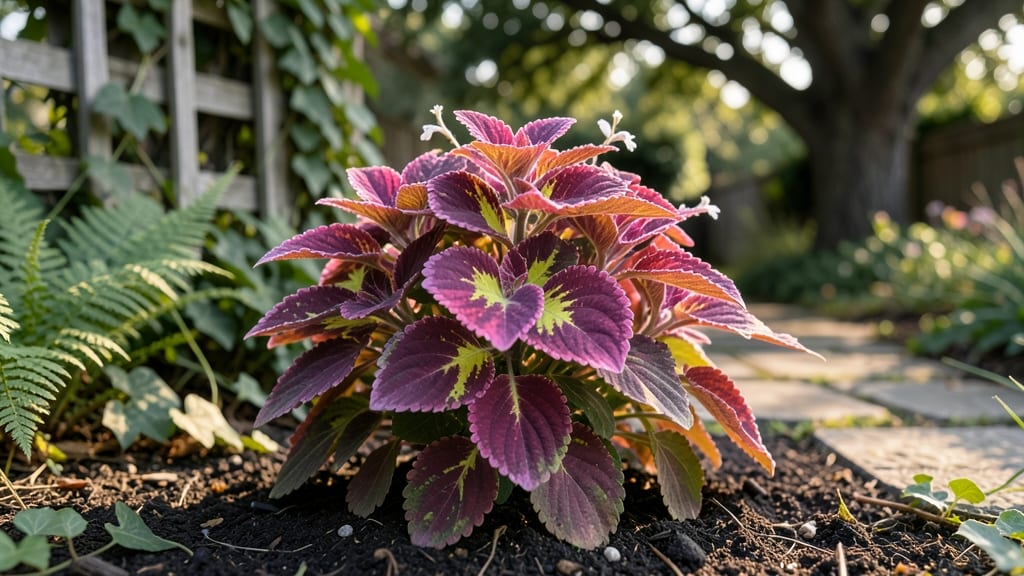
Enchanted garden colors transform your outdoor space into a dreamy sanctuary where every season feels like a fresh chapter in a story.
Imagine wandering through a garden where soft lavenders blend with blush pinks in spring, then shift to golden hues and deep purples by summer—each color whispering a different mood.
This isn’t just gardening; it’s an art form that plays with light, texture, and emotion to create a space that feels alive and magical.
Whether you’re drawn to the ethereal pastels of early blooms or the bold contrasts of midsummer, the right color palette can elevate your garden from ordinary to extraordinary. Below, I’ll share how to curate seasonal palettes that harmonize with nature’s rhythm while keeping maintenance simple and joyful.
You’ll discover low-maintenance plant pairings, science-backed color combinations for wellness, and easy transitions between seasons—so your garden stays enchanting year-round.
Spring enchanted garden colors: pastels, blooms, and whimsical hues
Spring transforms your garden into a living canvas of soft pastels and vibrant blooms that feel like stepping into a storybook. The pastel pinks of tulips, lavender blues of hyacinths, and fresh mint greens of new foliage create a magical atmosphere that instantly lifts your mood.
These colors aren’t just beautiful—they’re scientifically proven to reduce stress and spark joy, making your garden a true sanctuary.
Designing with enchanted garden colors starts with understanding how to layer these hues for maximum impact. Pair delicate pansies with tall snapdragons to create height contrast, while soft white alyssum adds a dreamy filler effect.
The key is balancing bold accents with subtle tones—think deep purple irises against buttery yellow primroses for a whimsical yet harmonious look.
| Plant Pairing | Color Palette | Mood Effect | Care Tips |
|---|---|---|---|
| Tulips + Pansies | Soft pink & lavender | Calm & playful | Full sun, deadhead blooms |
| Hyacinths + Sweet Alyssum | Purple & white | Ethereal & fresh | Partial shade, moist soil |
| Snapdragons + Primroses | Yellow & coral | Energizing & cheerful | Full sun, consistent water |
| Iris + Bleeding Heart | Deep purple & blush pink | Dramatic & romantic | Partial shade, rich soil |
For a truly enchanted effect, incorporate textural elements like lace-cap hydrangeas or ferny foliage to add depth. These plants create a soft, almost misty backdrop that makes your pastel blooms pop. Even a simple white-painted trellis or pebble pathways in soft grays can elevate the whimsical feel.
The goal is to make your garden feel like a secret hideaway where colors dance together naturally.
Don’t overlook the power of foliage colors—variegated hostas with cream and green stripes or purple-leafed plants like heuchera add unexpected pops of color that tie everything together. These evergreen accents keep your garden looking magical even when flowers fade.
Pair them with spring-blooming bulbs like daffodils in soft yellows for a non-stop color show from early spring to late summer.
Lighting plays a crucial role in enhancing enchanted garden colors after sunset. Solar-powered fairy lights draped through trees or soft white string lights around flower beds create a dreamy glow that makes pastels appear even more ethereal.
For a subtle touch, try solar-powered lanterns in muted blues or pinks—they’ll cast a gentle light that highlights your garden’s magical hues long after the sun sets.
To maintain this whimsical palette, focus on low-maintenance plants that thrive in spring’s unpredictable weather. Perennials like peonies and daylilies return year after year with minimal effort, while annuals like sweet peas and lobelia offer instant color and can be replaced easily.
Mulch with light-colored bark or gravel in soft tones to keep your garden looking polished without overwhelming the delicate color scheme.
Seasonal transitions are easier than you think! As spring gives way to summer, gradually introduce brighter blooms like geraniums or marigolds to bridge the color shift. These heat-loving plants complement your pastel palette while preparing your garden for the bold hues of summer.
The key is to phase out cool tones slowly—this keeps your garden feeling cohesive and intentional.
Remember, the most enchanted gardens feel personal. Add whimsical touches like a fairy garden corner with tiny mushrooms and pebbles, or a wind chime made of glass beads in soft colors.
These details make your space feel like a living storybook rather than just a garden. The colors will work their magic, but it’s the personal touches that make it truly yours.
Start small—even a single pastel-colored pot filled with pansies on your porch can transform your space into an instant sanctuary. As you experiment with these enchanted garden colors, trust your instincts.
The most magical gardens are those that reflect your joy and your love for nature—no rules required. 🌸
How to use enchanted garden colors for seasonal transitions
Transitioning your garden's color palette between seasons doesn't have to be a challenge—it can be a magical evolution. By blending foliage textures, experimenting with container gardening, and using simple DIY hacks, you can create a seamless flow from spring's soft pastels to summer's vibrant hues.
The key is understanding how colors interact and planning ahead for each seasonal shift.
Start by observing your garden's natural transitions. Notice how spring's delicate lavenders fade into summer's fiery reds and how autumn's golden foliage melts into winter's icy whites.
These shifts inspire your planting choices. For example, pair spring's tulips with summer's dahlias in the same bed, ensuring their blooming cycles overlap slightly for a smooth transition.
- 🌱
- 🪴
- ✂️
- 🌿
Don’t overlook the power of seasonal accessories. Hang wind chimes in soft tones for spring or add solar-powered lanterns in warm hues for summer evenings. These elements enhance the color story without requiring plant changes.
For example, a lavender-colored bird feeder in spring or a sunset-orange birdbath in summer can tie your garden’s theme together effortlessly.
Plan your transitions by creating a simple seasonal color calendar. Note which plants bloom when and how their colors complement each other. For instance, spring's white daffodils transition beautifully into summer's purple clematis.
Use this calendar to map out your garden’s evolution, ensuring no season feels jarring or incomplete.
Finally, embrace the art of subtraction. As seasons change, some plants may need to be removed or replaced. For example, spring bulbs like tulips can be dug up and stored after blooming to make room for summer annuals.
This practice keeps your garden fresh and intentional, avoiding clutter that can dull your enchanted palette.
With these strategies, your garden will feel like a living canvas, shifting seamlessly through the seasons. The magic lies in the details—layering, swapping, and accessorizing—all while keeping your garden’s soul intact. Happy planting! 🌸