
Fertilization
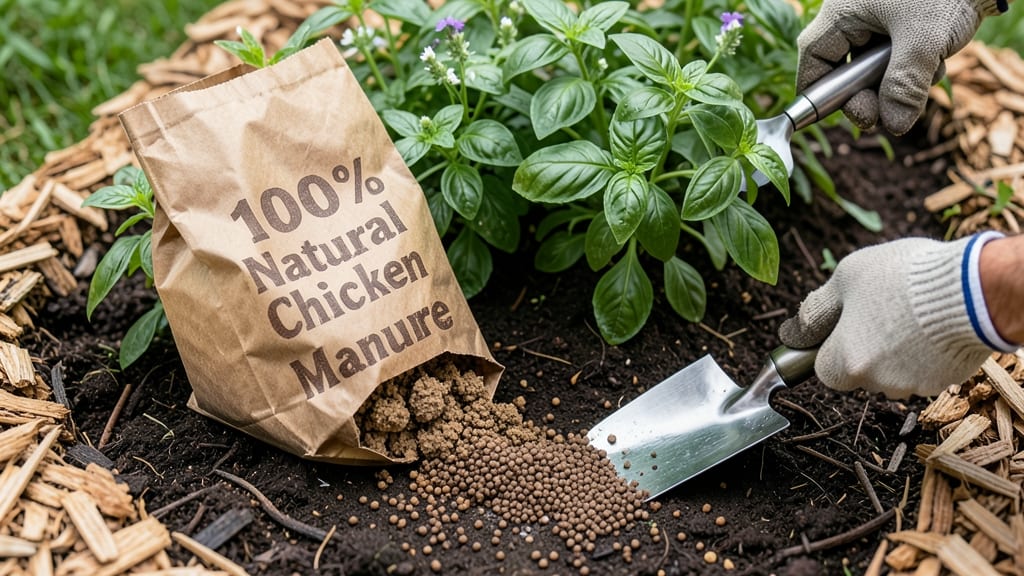
Using chicken fertilizer for gardens is one of the fastest ways to turn your soil into a nutrient powerhouse for faster, healthier plants.
Picture this: You’ve spent weeks nurturing seedlings, only to watch them wilt from lackluster soil. That’s where chicken manure comes in—packed with nitrogen, phosphorus, and potassium, it’s a game-changer for organic gardeners.
But here’s the catch: fresh manure can burn plants if not aged properly. Below, I’ll walk you through how to source, prepare, and apply it safely for maximum results.
Whether you’re growing vegetables, flowers, or herbs, this guide covers everything from composting techniques to application timing. You’ll learn how to avoid common mistakes, like over-fertilizing, and discover why aged chicken manure outperforms synthetic fertilizers in the long run.
Ready to transform your garden? By the end, you’ll know exactly how much to use, when to apply it, and which plants benefit the most—so you can skip the guesswork and grow like a pro.

How to use chicken manure fertilizer for maximum garden growth
If you're looking for a natural, nutrient-packed way to supercharge your garden, chicken manure fertilizer is one of the best organic options available. Packed with three times more nitrogen than cow manure, it delivers phosphorus and potassium too—essential nutrients for robust plant growth.
But here's the catch: using it incorrectly can burn your plants or attract pests. The key lies in proper aging and application, which we'll break down step by step.
Before diving in, remember that raw chicken manure is too potent for most plants. It needs time to break down and compost to avoid harming roots. Whether you're growing vegetables, flowers, or lawn grass, understanding the right ratios and timing will make all the difference.
Let’s explore how to harness its power safely and effectively.
Step-by-Step Guide to Using Chicken Manure Fertilizer
-
1
Source Fresh or Composted Manure
Buy from a trusted supplier or collect from a clean, pesticide-free coop. Avoid manure with bedding materials like cedar, which can be toxic. -
2
Aging: 3-6 Months Minimum
Spread raw manure in a compost pile or bin with carbon-rich materials (straw, leaves) in a 3:1 ratio. Turn weekly to speed up decomposition. -
3
Test for Readiness
Aged manure should look dark brown and crumbly, with no strong ammonia smell. If it still smells pungent, compost longer. -
4
Apply to Soil
Work 1-2 inches of aged manure into the top 6 inches of soil 2-4 weeks before planting. For container gardens, mix 10% manure into potting soil. -
5
Top-Dress Established Plants
Sprinkle ½ cup per plant around the base (avoid stems) and water deeply. Reapply every 4-6 weeks during the growing season. -
6
Monitor for Overuse
Yellowing leaves or burnt roots signal too much nitrogen. Reduce application and increase watering to dilute nutrients.
For vegetables like tomatoes and peppers, which are heavy feeders, aged chicken manure is a game-changer. These plants thrive with its high nitrogen content early in the season, followed by phosphorus for flowering and fruiting.
Mix 1 cup per 10 square feet into the soil before transplanting seedlings. If you notice excessive leafy growth with few fruits, cut back on nitrogen and add a phosphorus-rich fertilizer like bone meal.
When it comes to flowers and ornamental plants, a lighter touch works best. Overloading with nitrogen can lead to lush foliage but sparse blooms.
Instead, use ½ cup per plant and pair it with compost or worm castings to balance nutrients. Roses and hydrangeas especially love the potassium boost from aged manure, which strengthens their resistance to disease and pests.
Lawns benefit from chicken manure too, but with a different approach. Spread ½ pound per 100 square feet of well-aged manure in early spring or fall. Avoid applying it during active growth periods to prevent nutrient burn.
For best results, mow high and water deeply after application to help nutrients penetrate the soil.
One of the biggest mistakes gardeners make is using raw chicken manure directly on plants. The high ammonia content can scorch roots and leaves, stunting growth. Always compost or age it first—even a 3-month composting period makes a world of difference.
If you're short on time, opt for composted chicken manure from garden centers, which is ready to use immediately.
To maximize benefits, pair chicken manure with other organic amendments like kelp meal or fish emulsion for a balanced nutrient profile. This combo provides micronutrients like iron and zinc, which are often lacking in manure alone.
Plus, it improves soil structure and microbial activity, leading to healthier roots and better nutrient uptake.
Pro tip: Keep a garden journal to track when and how much manure you apply. Note which plants respond best and adjust future applications accordingly. Over time, you’ll fine-tune your approach to achieve consistent, lush growth without the guesswork.
With the right techniques, chicken manure fertilizer can revitalize your garden, reduce synthetic fertilizer costs, and promote long-term soil health. Start small, follow the aging process, and watch your plants thrive like never before! 🌱
Chicken manure fertilizer vs. synthetic fertilizers: nutrient breakdown comparison
Choosing the right fertilizer can make or break your garden's success. Chicken manure offers a natural, nutrient-rich option, while synthetic fertilizers provide precise, fast-acting nutrition. Each has unique benefits depending on your gardening goals and soil health priorities.
Let's break down the key differences so you can make an informed choice for your plants.
First, let's talk about the nitrogen content. Fresh chicken manure contains about 1.5-2.5% nitrogen, but this varies widely based on diet and aging. Synthetic fertilizers, however, offer consistent NPK ratios like 10-10-10 or 24-8-16, giving you exact control over nutrient delivery.
This precision is ideal for intensive vegetable gardens where plants demand specific nutrient levels.
One of the biggest advantages of chicken manure is its ability to improve soil structure over time. As it breaks down, it adds organic matter that enhances water retention and aeration. This makes it perfect for long-term garden health, especially in clay-heavy or sandy soils.
Synthetic fertilizers, while effective, often lack these soil-building benefits and can lead to nutrient imbalances if overused.
For cost-effectiveness, chicken manure wins if you can source it for free from local farms. Synthetic fertilizers may seem cheaper upfront, but their long-term costs add up when you factor in soil degradation and potential remediation.
Plus, composted chicken manure reduces waste while creating a self-sustaining garden ecosystem. That said, synthetics offer convenience—just sprinkle and water for instant results.
If you're growing nitrogen-loving plants like leafy greens or corn, fresh (but aged) chicken manure is ideal. For flowering plants or fruits that need balanced nutrition, a mix of both—organic and synthetic—can work wonders.
Always test your soil first to determine what your garden truly needs before committing to one type of fertilizer.
Remember, the best fertilizer depends on your specific goals. For organic gardening and soil health, chicken manure is a powerhouse. For quick results and precision, synthetics deliver. Why not try both and see what works best for your plants? 🌱