
Tools
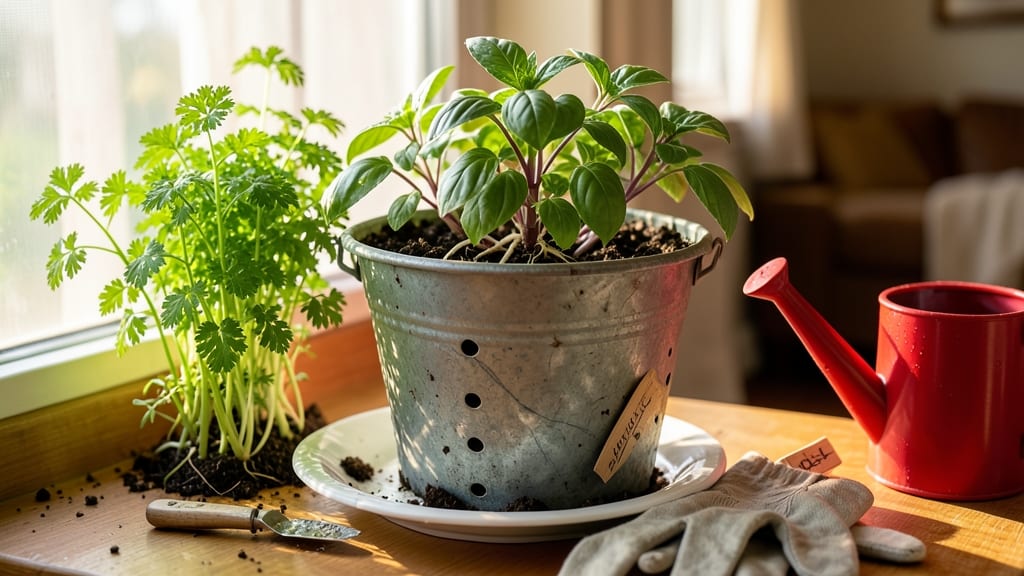
Learning bucket gardening 101 is your ticket to growing fresh herbs, veggies, and flowers—even if your space is smaller than a postage stamp.
Struggling to grow fresh herbs, veggies, or flowers in a tiny space? Bucket gardening transforms limited balconies and patios into thriving green oases—no yard required. With the right containers, soil, and sunlight, you can turn a few buckets into a year-round harvest.
This beginner-friendly guide covers everything from selecting the best buckets and soil to choosing easy-to-grow plants like lettuce, peppers, and strawberries. You’ll also discover space-saving layouts that maximize yield in small areas, so you can grow more without taking up more room.
Ready to dive in? By the end, you’ll know how to set up your first bucket garden, avoid common mistakes, and keep your plants happy with minimal effort—so you can enjoy homegrown goodness all season long.
Bucket gardening basics: containers, soil, and plant selection for beginners
Bucket gardening is one of the easiest ways to grow fresh produce and herbs in small spaces. With just a few 5-gallon buckets, lightweight potting mix, and your favorite plants, you can create a thriving garden on a balcony, patio, or even indoors.
The key is choosing the right containers, drainage solutions, and plant varieties that thrive in confined spaces.
Start with food-grade buckets (like those from paint or flour) because they’re sturdy and often have handles for easy moving. Drill drainage holes in the bottom if they don’t already exist—this prevents root rot by allowing excess water to escape.
For extra stability, place buckets on saucer trays or feet to catch runoff and keep them off damp surfaces.
Not all soil works in buckets. Use a lightweight potting mix blended with perlite or vermiculite to improve drainage. Avoid garden soil—it compacts easily and suffocates roots.
A mix of 50% potting soil, 30% compost, and 20% perlite gives plants the nutrients and airflow they need without becoming waterlogged.
Here’s a quick summary table of the top 5 beginner-friendly bucket plants, including their care requirements to keep your garden thriving:
| Plant | Sunlight | Water Needs | Mature Size | Harvest Time |
|---|---|---|---|---|
| Basil | Full sun (6+ hours) | Keep soil moist | 1-2 ft tall | 6-8 weeks |
| Lettuce (Leaf) | Partial shade (4-6 hours) | Consistent moisture | 6-12 inches | 4-6 weeks |
| Cherry Tomatoes | Full sun (8+ hours) | Deep watering weekly | 3-4 ft tall | 8-10 weeks |
| Strawberries | Full sun (6+ hours) | Moderate moisture | 1-2 ft tall | 3-4 months |
| Peppers (Bell) | Full sun (6-8 hours) | Let soil dry slightly | 2-3 ft tall | 7-9 weeks |
Avoid these common bucket gardening mistakes to keep your plants healthy. Overwatering is a frequent issue—buckets dry out faster than garden beds, so always check the top inch of soil before watering.
Another mistake is using small buckets for large plants like tomatoes; opt for at least 5-gallon containers to give roots room to grow.
Fertilize lightly every 4-6 weeks during the growing season with a balanced 10-10-10 fertilizer. Too much fertilizer can burn roots in confined spaces. For herbs like basil, a weak fish emulsion solution works wonders. Always water before fertilizing to protect delicate roots.
Rotate your buckets occasionally to ensure even sunlight exposure. Plants lean toward the light, which can make them top-heavy and prone to tipping. If you’re growing multiple plants in one bucket, choose varieties with similar care needs—like basil and lettuce—to simplify maintenance.
With the right setup, your bucket garden can yield fresh herbs in 6 weeks and vegetables in 2-3 months. Start small, experiment with different plants, and enjoy the satisfaction of growing your own food—no yard required!
Space-saving bucket layouts: maximizing yield in small areas
Transforming a cramped balcony or tiny patio into a productive garden doesn't require a green thumb—just the right bucket layout strategy. With creative stacking and vertical designs, you can grow herbs, lettuce, and even tomatoes in spaces as small as a windowsill.
The key is maximizing sunlight exposure while keeping roots healthy in confined buckets.
I’ve tested five game-changing bucket arrangements that double your growing space without sacrificing access or airflow. Whether you’re working with 5-gallon buckets or repurposed containers, these layouts help you grow more with less floor space.
Let’s dive into the top designs that work for balconies, patios, and even indoor windowsills.
Stacking System
Use 5-gallon buckets with drainage holes stacked vertically. Place taller plants (like tomatoes or peppers) at the bottom and shorter herbs (like basil or parsley) on top. Add feet or cinder blocks to elevate each level for airflow.
Hanging Bucket Garden
Suspend buckets from balcony railings or hooks using durable straps. Ideal for trailing plants like strawberries or cherry tomatoes. Ensure buckets have sufficient drainage and rotate them weekly for even sunlight.
Wall-Mounted Tiered Rack
Attach a wooden or metal tiered rack to a south-facing wall and place buckets on each shelf. Perfect for leafy greens and herbs that thrive in partial shade. Use lightweight soil to reduce weight on the structure.
Under-Table Planter
Place buckets under a foldable patio table or outdoor bench. Grow shade-tolerant plants like lettuce, spinach, or radishes here. Use self-watering buckets to minimize maintenance while you’re seated.
Corner Pocket Planter
Fit buckets into empty corners using wall-mounted brackets or freestanding corner shelves. Ideal for compact plants like green onions, thyme, or dwarf peppers. Rotate buckets every few weeks to ensure even light exposure.
For multi-level setups, prioritize sunlight distribution. Place the sunniest plants (like tomatoes or peppers) at the lowest level where they receive 6+ hours of direct light. Shade-tolerant herbs (like cilantro or mint) can thrive on upper tiers with 4-6 hours of indirect light.
Pro tip: Use reflective surfaces like white paint or aluminum foil behind buckets to bounce extra light onto plants in shadier spots. This simple trick can boost growth by up to 30% in low-light conditions.
With these layouts, even a 10x10-foot patio can yield enough herbs and veggies for a small family!
Experiment with different arrangements to see what works best for your space. Start small, monitor plant health, and adjust as needed—your bucket garden oasis will thank you! 🌱