
Vegetables
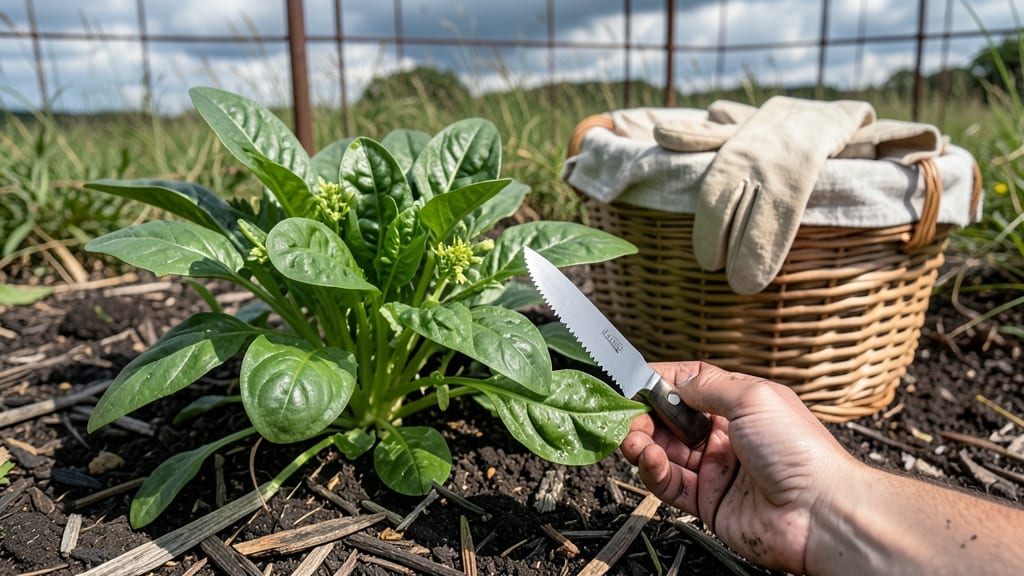
The best way to harvest spinach is to time it perfectly—when leaves reach 4-6 inches and soil stays cool—for tender, flavor-packed greens 🍃.
Picture this: you’ve nurtured your spinach for weeks, only to pull a bitter, tough leaf because you missed the window. Or worse, your plants bolt before you even get a proper harvest. The right timing and technique make all the difference—and it’s easier than you think.
In this guide, I’ll walk you through the exact moment to harvest (yes, leaf size matters), how to cut without damaging the plant, and even how to encourage regrowth for a second flush. No guesswork, just proven methods for home gardeners.
By the end, you’ll know when to snip, how to store your harvest, and why skipping these steps means sacrificing flavor. Let’s get started!


When and how to harvest spinach for maximum yield and flavor
Timing your spinach harvest correctly ensures you enjoy tender, flavorful leaves instead of bitter, tough ones. The key is harvesting when leaves reach 4-6 inches long—this is when they're at their peak nutrition and taste.
Cool soil temperatures between 45°F and 75°F also play a critical role in flavor development, so plan your harvests during spring or fall when these conditions align.
Spinach thrives in cool-season conditions, making early spring and late fall the ideal times for planting and harvesting. If you plant in March or August, you'll likely have your first harvests ready by May or October, respectively.
This timing allows you to enjoy fresh spinach before the heat of summer causes bolting—a process where the plant sends up a flower stalk, making leaves bitter and inedible.
Look for bright green, vibrant leaves as your primary visual cue. The outer leaves should be fully developed, while the inner leaves remain tender. If you notice the stems elongating or the leaves becoming sparse, it's a sign the plant is bolting or maturing too quickly.
Harvesting at the right stage prevents this and keeps your plants productive for weeks.
Here’s a quick reference for the best way to harvest spinach, including ideal conditions and techniques:
For a continuous harvest, aim to pick spinach every 1-2 weeks throughout the growing season. This frequent harvesting encourages the plant to produce more leaves, extending your harvest window by several weeks.
Start by harvesting the outer leaves first, leaving the inner, younger leaves intact. This method minimizes stress on the plant and promotes bushier growth.
If you're growing spinach in containers or small gardens, focus on harvesting individual leaves rather than the entire plant. Use clean, sharp scissors or your fingers to pinch off leaves at their base.
Avoid tearing the leaves, as this can damage the plant and make it more susceptible to pests and diseases. Always harvest in the morning when leaves are hydrated and at their peak flavor.
One common mistake is waiting too long to harvest, which leads to bitter, tough leaves or bolting. If your spinach plants start to send up flower stalks, it's a clear sign they're past their prime. To prevent this, keep an eye on your plants and harvest regularly.
If bolting occurs, you can still harvest the leaves for cooking, but they may not be as tender or flavorful as those picked at the right time.
Seasonal timing is crucial for spinach success. In spring, plant seeds 4-6 weeks before your last frost date for an early harvest. In fall, plant seeds 8-10 weeks before your first frost to ensure you get a second crop.
Both timing strategies take advantage of the cool weather that spinach loves, ensuring the best flavor and texture.
To maximize your yield, provide your spinach with well-draining soil rich in organic matter. A pH level between 6.5 and 7.0 is ideal, and regular feeding with a high-nitrogen fertilizer every 4-6 weeks will keep your plants lush and productive.
Pair this with consistent watering—keeping the soil moist but not waterlogged—to encourage healthy growth and a bountiful harvest.
With the right timing and care, you can enjoy a steady supply of fresh spinach straight from your garden. Whether you're harvesting for salads, smoothies, or sautéing, picking at the optimal leaf size and under the right conditions ensures the best flavor and texture every time. Happy harvesting! 🍃
Step-by-Step harvesting techniques to avoid damage and bolting
Harvesting spinach correctly ensures you get tender, flavorful leaves while keeping your plants healthy for continuous regrowth. The key is to use gentle techniques that protect the plant’s growth points and prevent stress.
Over-harvesting or using the wrong tools can lead to bolting—when spinach sends up flower stalks—ruining your crop’s quality.
Start by harvesting only the outer leaves first, leaving the inner leaves to mature. This method allows your spinach to keep producing for weeks, giving you a steady supply. Avoid cutting more than one-third of the plant at once, as this can shock the plant and reduce future yields.
Step-by-Step Guide to Harvesting Spinach
- 🍃 Step 1: Choose the Right Time
Harvest when leaves reach 4-6 inches and are bright green. Morning harvests yield the freshest leaves. - 🪒 Step 2: Use the Right Tools
Use clean, sharp scissors or your fingers to avoid tearing leaves. Never pull entire plants from the soil. - ✂️ Step 3: Cut Outer Leaves First
Snip or pinch off the largest outer leaves at the base, leaving the inner leaves intact for regrowth. - 💧 Step 4: Water After Harvesting
Give your spinach a light watering to help it recover and encourage new growth. - 🌱 Step 5: Monitor for Bolting
If leaves start looking bitter or stems elongate, your spinach is bolting—harvest immediately to avoid seed production.
One common mistake is harvesting too aggressively, which can weaken the plant and lead to bolting. Always prioritize outer leaves over inner ones, and never pull the entire plant from the ground. This preserves the plant’s ability to regrow and produce more leaves.
After harvesting, store your spinach in a plastic bag in the fridge for up to 5-7 days. For long-term storage, blanch and freeze the leaves to lock in nutrients.
If you notice your spinach plants producing flower stalks, it’s a sign they’re bolting—harvest any remaining leaves immediately and compost the plant to prevent reseeding.
With the right techniques, you can enjoy a continuous harvest of tender spinach for weeks. Regular harvesting not only gives you fresh greens but also encourages your plants to produce more leaves, making your garden more productive over time.