
Vegetables
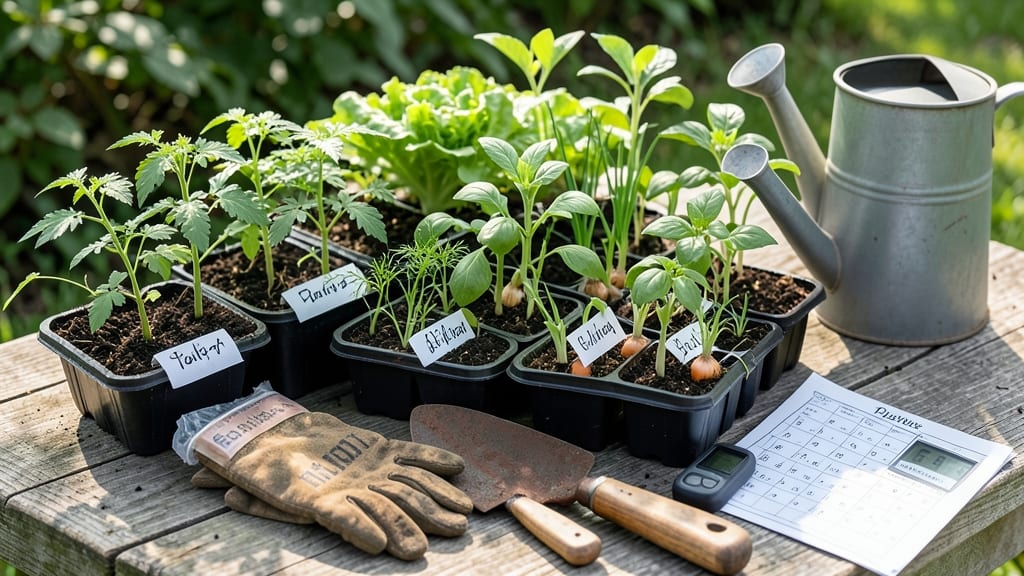
Planting your vegetable garden at the best time ensures strong starts, faster growth, and a bountiful harvest 🌱—but one wrong move can leave you with wilted seedlings or no tomatoes at all.
Timing your vegetable garden planting wrong can mean wasted seeds, stunted growth, or even total crop failure—but knowing your frost-free dates transforms guesswork into a thriving harvest.
From cool-season greens like spinach to heat-loving tomatoes, each vegetable has its own sweet spot for soil warmth and daylight. In this guide, I’ll break down the exact planting windows by your USDA zone, plus how to adjust for microclimates like urban heat islands or coastal breezes.
You’ll learn how to read frost charts, avoid common timing mistakes, and even stretch your growing season with succession planting. Ready to turn your garden into a productive powerhouse?

When to plant vegetables by US planting zones: exact frost-free deadlines
Getting your vegetable planting timing right depends entirely on your USDA hardiness zone and your last frost date. In Zone 3, where winters are brutal, you'll plant cool-season crops like spinach weeks before you would in Zone 10, where mild winters allow for year-round growing.
The key is working backward from your average last frost date—whether that's early April in the North or late December in the South.
For warm-season vegetables like tomatoes and peppers, soil temperatures matter just as much as air temperatures. These crops need 60°F+ soil to thrive, which typically means waiting until after your last frost and often into late spring.
Meanwhile, cool-season vegetables like lettuce and kale can handle light frosts and even prefer cooler weather, so they get planted earlier in the season.
Here’s the exact breakdown of when to plant by zone, including both cool-season and warm-season crops. Use these deadlines to align your planting schedule with your local climate.
| USDA Zone | Average Last Frost Date | Cool-Season Planting Window | Warm-Season Planting Window | Soil Temp for Warm Crops |
|---|---|---|---|---|
| Zone 3 | Mid-May | Late March - Early April | Early June - Mid-June | 60°F+ (late May) |
| Zone 4 | Mid-May | Early April - Mid-April | Late May - Early June | 60°F+ (early May) |
| Zone 5 | Early May | Mid-March - Early April | Early May - Mid-May | 60°F+ (late April) |
| Zone 6 | Early May | Late February - Early March | Mid-April - Early May | 60°F+ (early April) |
| Zone 7 | Mid-April | January - Early February | Late March - Mid-April | 60°F+ (mid-March) |
| Zone 8 | Mid-March | November - January | Early March - Late March | 60°F+ (early March) |
| Zone 9 | Mid-January | October - December | Late February - Early March | 60°F+ (late February) |
| Zone 10 | None (year-round) | September - January | January - February | 60°F+ (year-round) |
If you're in Zone 3 or 4, start your cool-season crops like spinach and radishes indoors under grow lights 6-8 weeks before your last frost date.
For Zone 5-7, you can direct-sow many cool-season crops as early as late February, while Zone 8-10 gardeners can plant year-round with proper succession planning.
For warm-season vegetables, wait until the soil reaches 60°F+—this is critical for
How to adjust planting times for your local climate variations
Your USDA hardiness zone gives you a starting point, but microclimates within your area can shift planting windows by 2-4 weeks. A neighbor’s garden might thrive with earlier spring plantings while your urban plot needs adjustments.
Understanding these variations ensures your tomatoes and peppers mature before frost—or your spinach bolts in summer heat.
Coastal areas often enjoy warmer winters and cooler summers than inland zones, while urban heat islands can push planting dates 10-14 days earlier for heat-loving crops.
Even a 100-foot elevation change can delay frost by 2 weeks. By accounting for these factors, you’ll avoid wasted seeds and maximize your harvest potential.
🌱 numbered-highlights 🌱
- Check local frost dates from nearby weather stations (not just zone averages).
- Adjust for elevation: Add 1 day per 100 feet to frost-free dates in mountainous areas.
- Coastal gardens can plant warm-season crops 2 weeks earlier due to milder winters.
- Urban heat islands may allow earlier spring plantings for heat-tolerant veggies like okra or sweet potatoes.
- Use row covers to extend spring planting by 3-4 weeks in cold microclimates.
Start by identifying your microclimate type. Are you in a valley, near a large body of water, or surrounded by concrete and asphalt? Each creates distinct temperature patterns. For example, valleys often experience frost pockets that delay spring planting by 1-2 weeks compared to hilltops.
Meanwhile, urban gardens can see 5-10°F warmer nighttime temps, letting you sow heat-loving crops like eggplant sooner.
Leverage nearby weather stations for precision. Apps like NOAA Climate or Weather Underground provide hyperlocal frost data. Compare their records with your USDA zone averages—you might find your last frost date occurs 2 weeks later than the official zone prediction.
This data lets you fine-tune succession planting schedules for lettuce or kale, ensuring continuous harvests.
For elevation adjustments, use this rule: 1 day later per 100 feet of elevation gain. A garden at 5,000 feet might have a last frost date 35 days later than sea level.
Test your soil’s warmth by pressing your hand into it—if it’s 60°F+, it’s safe for warm-season crops. Pair this with a soil thermometer for accuracy, especially in transitional zones like USDA Zone 7b.
Don’t overlook wind exposure or shade patterns. A windward slope may dry out faster, requiring earlier watering for seedlings. Conversely, north-facing walls can create microclimates 5°F cooler than open areas—ideal for leafy greens in hot climates. Adjust your planting calendar accordingly to match these conditions.