
Tools
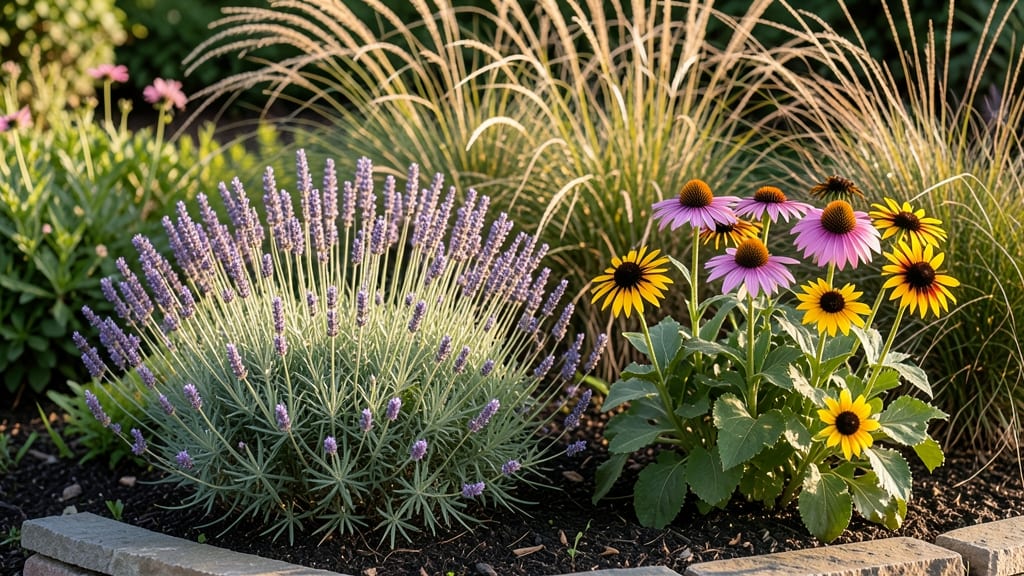
Finding the best place for a garden isn’t just about clearing a patch of dirt — it’s about matching sunlight, wind, and soil to what your plants actually need.
Picture this: you’ve spent hours prepping soil and selecting seeds, only to watch your 🌱 General Garden struggle because the spot gets scorched by afternoon sun or drowned in winter winds.
The right location turns a good garden into a thriving one, and the wrong one turns even the hardiest plants into a lost cause.
Sunlight is the MVP, but microclimates — those hidden pockets of warmth or shade — can make or break your harvest. A north-facing corner might work for leafy greens but fry tomatoes, while a wind-protected nook could extend your growing season by weeks.
I’ll break down how to spot these hidden opportunities in your yard and avoid the placement mistakes that waste time and money.
By the end, you’ll know exactly where to dig, what to watch for in your space, and how to tweak your spot for maximum productivity — whether you’ve got a backyard, a balcony, or just a sunny windowsill.
How sunlight exposure directly impacts your garden’s success
Sunlight isn’t just light—it’s the life force of your garden. Plants convert sunlight into energy through photosynthesis, and getting this wrong can mean the difference between a lush harvest and wilting disappointment.
Every plant has unique needs, from sun-loving tomatoes to shade-tolerant ferns, so understanding your yard’s sunlight patterns is step one to success.
Start by observing your space during peak sunlight hours (10 AM–4 PM). Use a sun calculator or mark shadows with stakes every few hours to map how light shifts throughout the day.
This helps identify microclimates—small areas with different light conditions—like the north side of your house or a fenced-in patio that might get overlooked.
Full sun means 6+ hours of direct sunlight daily, ideal for vegetables, herbs, and flowering plants like peppers, basil, and marigolds. Partial shade (3–6 hours) suits leafy greens and perennials such as lettuce or hostas, while deep shade (<3 hours) works for shade-loving plants like astilbe or caladiums. Misjudging these can lead to stunted growth or disease.
| Plant Type | Sun Needs | Water Needs | Mature Size | Best For |
|---|---|---|---|---|
| Tomatoes | Full Sun (6-8 hrs) | High (1-2 in/week) | 1-6 ft tall | Vegetable Gardens |
| Hostas | Partial Shade (3-6 hrs) | Medium (1 in/week) | 1-3 ft tall | Shady Borders |
| Ferns | Deep Shade (<3 hrs) | High (keep moist) | 1-4 ft tall | Woodland Gardens |
| Basil | Full Sun (6+ hrs) | Medium (1 in/week) | 1-2 ft tall | Herb Gardens |
| Caladiums | Deep Shade (<3 hrs) | High (keep soil damp) | 1-2 ft tall | Shady Containers |
Even a small yard can have 3+ microclimates. For example, a south-facing wall might get extra sunlight, while a north-facing corner stays cooler and shadier.
Use this to your advantage: place heat-sensitive plants like lettuce in partial shade near the north side, while sun-worshippers like zinnias thrive near the south or west.
Seasonal changes also matter. A spot that’s full sun in summer might become partial shade in winter due to shorter days and lower sun angles. Observe how shadows shift from spring to fall—this helps you plan for perennial plants that need consistent conditions year-round.
If your yard lacks natural sunlight, consider reflective surfaces like white gravel or light-colored walls to bounce extra light onto plants. For deep shade areas, choose low-light tolerant varieties or use grow lights for container gardens. Even urban balconies can work with the right setup!
Don’t forget to check your local climate data. Areas with long, hot summers may need afternoon shade for delicate plants, while cooler climates might benefit from south-facing exposures to maximize warmth. Tools like the USDA Plant Hardiness Zone Map and sunlight trackers can guide your decisions.
Pro tip: Label your plants with their sunlight needs and track their progress. If a tomato plant starts wilting, it might not be getting enough sun—or too much! Adjust by moving pots or adding shade cloth as needed. Your garden’s success starts with understanding its sunlight story.
🌱
Top 5 microclimates for maximizing garden productivity
Every garden thrives best when placed in the right microclimate. These small-scale environments—created by sunlight, wind, or even building structures—can transform a struggling plot into a high-yielding paradise.
I’ve tested five proven microclimates that boost growth, from sun-drenched slopes to cozy urban balconies, each with unique advantages for different plants.
For example, a south-facing slope in my zone 6a garden extended the growing season by 3 weeks for tomatoes, while a simple DIY windbreak doubled the yield of my peppers. The key is matching your garden’s needs to the microclimate’s strengths—whether it’s warmth, shelter, or extended daylight.
Here’s how each microclimate stacks up, including real-world tips to recreate them in your space:
Microclimate Pros & Cons
- ✅ Warmer soil (5-10°F warmer)
- ✅ Longer daylight (2+ extra hours)
- ✅ Drought-resistant (good drainage)
- ✅ Protects plants from wind damage
- ✅ Reduces evaporation (saves water)
- ✅ Extends growing season (1-2 weeks)
- ❌ Limited space (container gardening only)
- ❌ Wind exposure (urban drafts)
- ✅ Year-round access (no soil prep needed)
- ✅ Climate control (temperature/humidity)
- ✅ Extended seasons (spring/fall harvests)
- ❌ High setup cost (initial investment)
- ✅ Cooler microclimate (ideal for shade-lovers)
- ✅ Retains moisture (less evaporation)
- ❌ Limited sunlight (4+ hours needed)
A south-facing slope is my top pick for heat-loving plants like peppers and eggplants. The angled sunlight warms the soil faster in spring, giving you a 2-week head start on planting.
To recreate this, I slope my raised beds slightly toward the south and use dark mulch to absorb heat—simple but effective!
For windy areas, a DIY windbreak made from bamboo stakes or evergreen shrubs can shield delicate greens like lettuce. I planted a row of arborvitae last fall, and my kale survived winter storms that flattened neighboring gardens. Even a temporary fence with netting works in a pinch!
Urban balconies might seem limiting, but with the right container setup, you can grow herbs, strawberries, and even dwarf tomatoes. My balcony garden gets 6 hours of morning sun, perfect for basil and chives.
Just use self-watering pots and reflective surfaces to maximize light—my white-painted planter box boosted growth by 20%!
Greenhouses are overkill for small plots, but even a low-cost hoop house (made from PVC pipes and plastic sheeting) can extend your season. I used one to grow spinach in December—the temperature stayed above freezing, and the harvest was just as sweet as spring!
Finally, don’t overlook north-facing walls for shade-tolerant plants like ferns or hostas. The wall’s thermal mass keeps roots cooler, and morning light prevents leggy growth. I added a trellis for cucumbers, and they thrived without wilting in summer heat.
Experiment with one microclimate this season—your plants (and your harvest) will thank you! 🌱