
Vegetables
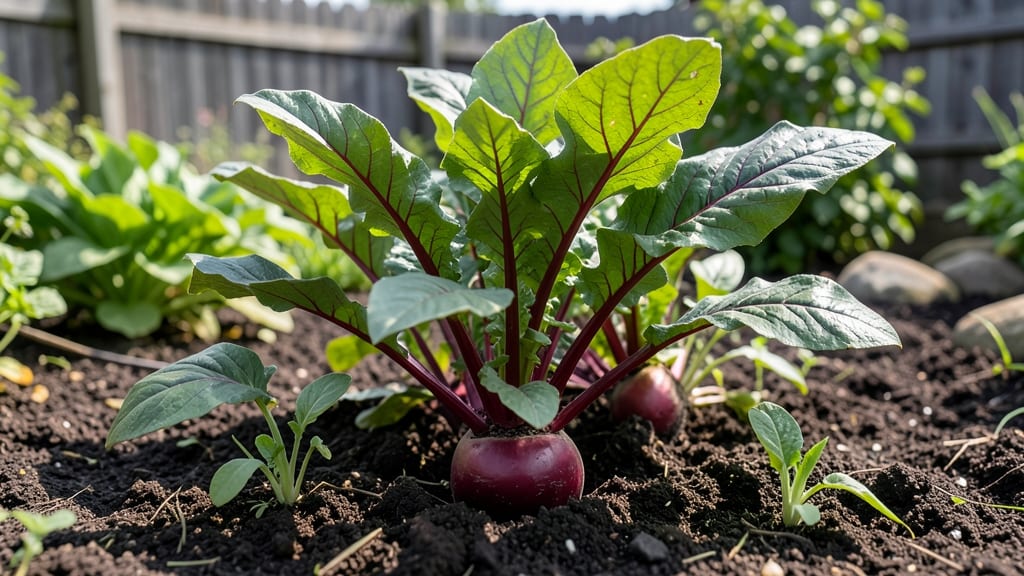
Growing beets from seed to harvest takes about 55 days when you nail the timing and soil—though even a small misstep can leave you with tough, bitter roots instead of sweet, plump 🍠 harvests.
I’ve watched seedlings bolt into flower after a heatwave, or roots crack from uneven watering, and trust me: those mistakes are avoidable with the right tricks. The key? Cool soil, consistent moisture, and knowing exactly when to thin those crowded sprouts.
In this guide, I’ll walk you through the exact days to maturity for popular varieties, soil prep secrets to speed up growth, and how to stretch your harvest from spring to fall—no guesswork, just proven results.
You’ll learn how to spot the perfect harvest size, troubleshoot common delays, and even store your beets for months. Ready to turn those tiny seeds into a garden full of earthy, homegrown goodness?

Exact beet seed to harvest timeline: days to maturity by variety
Growing beets from seed to harvest requires patience, but knowing the exact timeline for your chosen variety helps you plan for success. Most beet varieties mature between 50-70 days, but cooler temperatures can extend this to 80 days.
Let’s break down the days to maturity for popular varieties and how to optimize growth speed.
Temperature plays a critical role in beet growth. Ideal soil temperatures for germination are between 60-70°F, while roots develop best in 55-65°F conditions.
Planting too early in cold soil or too late in hot weather can cause stunted growth or bolting, where the plant sends up a flower stalk prematurely.
Here’s a quick reference table for the most popular beet varieties, including their days to harvest and key characteristics:
| Variety | Days to Harvest | Root Color | Best For | Pitfalls to Avoid |
|---|---|---|---|---|
| Detroit Dark Red | 55-65 days | Deep red | Roasting, pickling | Woody roots if overgrown |
| Chioggia (Striped) | 60-70 days | Pink and white rings | Raw salads, slicing | Bolting in heat |
| Golden Beet | 50-60 days | Golden yellow | Steamed, boiled | Cracked roots in dry soil |
| Baby Beet (e.g., 'Little Ball') | 45-55 days | Red or golden | Baby food, garnishes | Overcrowding |
Detroit Dark Red is the classic choice for gardeners, with a 55-65 day timeline. This variety thrives in cooler weather, making it ideal for spring and fall plantings. If you plant in late summer, watch for bolting—the plant may send up a flower stalk if stressed by heat.
Chioggia beets are stunning with their pink-and-white striped roots, but they take slightly longer—60-70 days. These are best harvested young to avoid tough, fibrous texture. Plant them in well-drained soil to prevent cracking, a common issue with this variety.
For faster harvests, try Golden Beets, which mature in just 50-60 days. Their sweet, mild flavor makes them perfect for steaming or boiling. However, they’re more prone to cracking in dry soil, so keep the soil consistently moist but not waterlogged.
If you’re growing baby beets, like 'Little Ball,' you can harvest in as few as 45 days. These tiny roots are perfect for salads or garnishes. The key to success here is thinning seedlings early to avoid competition, which can stunt growth.
To avoid woody roots, harvest beets when they reach 1-3 inches in diameter. Waiting too long turns the roots tough and fibrous. Use a garden fork to loosen the soil before pulling to prevent damage.
For bolting prevention, plant beets in cool seasons and avoid late summer plantings in hot climates. If you notice the tops flowering, harvest immediately—the roots may still be edible, but the quality declines.
Pro tip: Succession planting every 2-3 weeks ensures a steady harvest. This works especially well for Detroit Dark Red and Golden Beets, giving you fresh roots throughout the growing season.
🌱
Soil and planting secrets for faster, healthier beet growth
Beets thrive when you give them the right start, and soil prep is where it all begins. Loose, fertile soil with good drainage is non-negotiable—beets hate soggy roots, which can lead to rotting or stunted growth.
I’ve found that amending clay soil with compost or aged manure works wonders for creating the perfect environment.
The ideal soil pH for beets is between 6.0 and 7.0. If your soil is too acidic or alkaline, your plants will struggle to absorb nutrients, leading to yellowing leaves or poor root development.
Test your soil before planting—most garden centers sell affordable kits, and it’s a game-changer for troubleshooting later.
⚠️ callout warning ⚠️
🚨 Common Mistake Alert: Overcrowding
Too-close spacing leads to competition for nutrients, causing small, misshapen roots. Thin seedlings to 2-3 inches apart once they’re 2 inches tall—this gives roots room to bulk up without stress.
Pro Tip: Use a hand trowel for precise thinning—gently pull weeds first, then snip seedlings at soil level with clean scissors to avoid disturbing roots.
When it comes to planting depth, beets are finicky. Sow seeds ½ inch deep—any deeper, and they’ll struggle to break through the soil. I like to use a seed starter mix for the first few weeks to keep moisture consistent while sprouts emerge.
Once seedlings appear, thin aggressively to avoid overcrowding.
Spacing tricks can double your yield. Plant seeds in rows 12-18 inches apart to allow airflow and easy weeding. For succession planting, stagger rows every 2 weeks—this ensures a steady harvest instead of one big rush. I’ve also had success using raised beds for beets, as they warm up faster in spring and drain better.
Watch for cracked roots, a classic sign of uneven moisture. This happens when soil dries out too quickly or when roots expand faster than the skin can stretch. To prevent it, mulch heavily with straw or grass clippings to keep soil consistently moist.
Water deeply once a week rather than daily shallow watering—this encourages deep root growth.
If your beets start looking woody or tough, it’s a sign they’ve been in the ground too long. Harvest smaller roots (1-2 inches) for tender greens, or pull the whole plant if the center turns stringy.
With the right soil and spacing, you’ll get sweet, plump beets in just 55-70 days—no bitter surprises! 🍠