
Vegetables
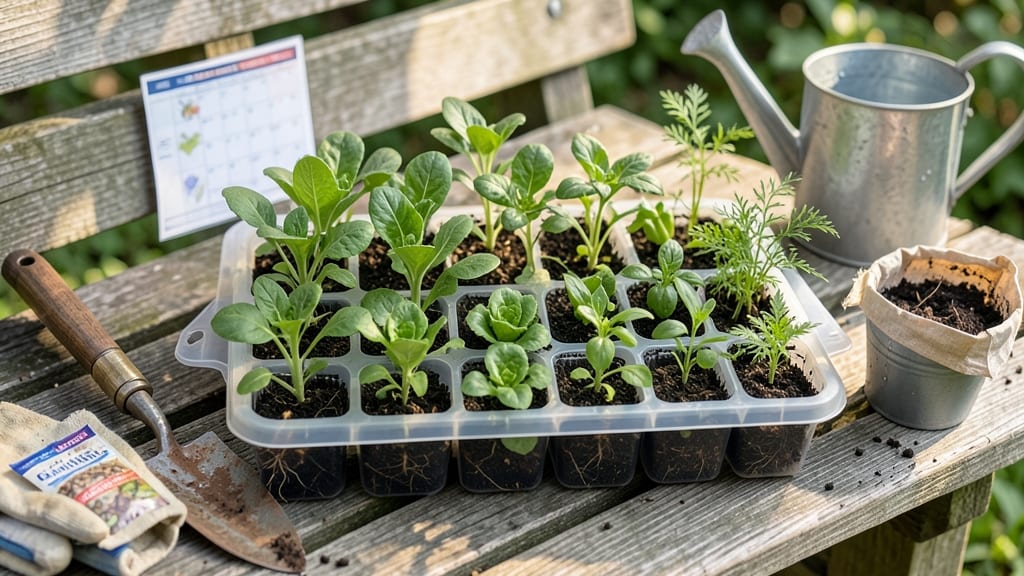
Starting your vegetable garden at the right time means the difference between a bountiful harvest and a sad, wilted disappointment—especially in USDA Zone 6a, where frost can strike as late as April.
Timing your vegetable garden planting wrong can mean wasted seeds, stunted growth, or even total crop failure—but knowing your USDA zone and frost dates unlocks the secret to a thriving harvest.
For General Vegetables 🥦, the window is tight: 4-6 weeks before your last frost (March-April in Zone 6a) is your best bet for cool-season crops like lettuce, while warm-season veggies like tomatoes need to wait until soil hits 60°F.
Here’s the game-changer: Most seed packets give generic advice, but your local frost dates—plus soil temperature—are what really matter. A late frost can turn your early starts into a loss, while planting too late means smaller yields.
I’ll break down exactly how to calculate your precise window, avoid common mistakes, and adjust for early or late seasons.
By the end, you’ll know not just when to start, but how to prepare your soil, choose the right seedlings, and protect your plants from frost—so you’re harvesting crisp lettuce in May and juicy tomatoes by July.
USDA Zone planting calendar: exact weeks before last frost for vegetables
Getting your vegetable planting timing right is the difference between a bountiful harvest and wasted effort. Your USDA zone determines when to plant cool-season crops like lettuce versus warm-season favorites such as tomatoes.
In Zone 6a, for example, the last frost typically hits around April 15, giving you a precise window to prepare. But what if you're in Zone 8b? The rules change completely.
Let's break down the exact weeks before last frost for your region, so you can start seeds and transplants at the perfect moment.
Cool-season vegetables thrive when planted 4-6 weeks before your last frost date, while warm-season crops need to wait until 2-4 weeks after the danger of frost has passed. This timing ensures seedlings aren’t fried by early warmth or frozen by late cold snaps.
For instance, spinach and kale can handle cooler temperatures, while peppers and eggplants need the soil to warm up to at least 60°F before they’ll grow properly.
Here’s the game-changer: a USDA zone planting calendar tailored to your exact frost dates. Use this table to pinpoint your planting windows, whether you’re sowing seeds indoors, hardening off seedlings, or setting out transplants.
The key is knowing your last frost date and counting backward for cool crops or forward for warm ones.
| USDA Zone | Last Frost Date | Cool-Season Start (Weeks Before Frost) | Warm-Season Start (Weeks After Frost) | Example Crops |
|---|---|---|---|---|
| Zone 3a-4a | May 10 | 6-8 weeks before | 2-3 weeks after | Lettuce, Peas, Broccoli |
| Zone 5a-6a | April 15 | 4-6 weeks before | 2-4 weeks after | Spinach, Tomatoes, Cucumbers |
| Zone 7a-8a | March 1 | 3-5 weeks before | 1-2 weeks after | Kale, Peppers, Eggplants |
| Zone 9a-10a | January 1 | 2-4 weeks before | 0-1 weeks after | Carrots, Basil, Okra |
Pro tip: If you’re unsure about your exact frost date, check your local weather station or use the NOAA frost calculator. For example, in Zone 6a, planting lettuce 4 weeks before the last frost (around March 15) gives it time to mature before summer heat sets in.
Meanwhile, tomatoes should wait until April 30—about 2 weeks after your last frost—to avoid frost damage to young plants.
For indoor starts, begin cool-season seeds like broccoli or cabbage indoors 8-10 weeks before your last frost date. This head start ensures they’re ready to transplant outdoors when conditions are ideal.
Warm-season crops like peppers can start indoors 6-8 weeks before your last frost, but they’ll need to stay indoors until soil temperatures rise.
Don’t forget about succession planting! Crops like radishes or bush beans can be sown every 2-3 weeks to extend your harvest. For instance, in Zone 5a, you might plant radishes on April 15, May 1, and May 15 for a continuous supply.
This strategy maximizes your garden space and ensures you’re always enjoying fresh produce.
One common mistake is planting warm-season crops too early. If you set out tomato seedlings in Zone 6a before May 1, they’ll likely suffer from cold soil and slow growth. Always wait until the soil temperature reaches at least 60°F—use a soil thermometer to check!
For cool-season crops, planting too late can result in bolting (premature flowering) or stunted growth due to heat stress.
Use this calendar as your gardening GPS. Whether you’re a beginner or a seasoned grower, knowing your exact planting windows will help you avoid common pitfalls and enjoy a flourishing vegetable garden all season long. Happy planting! 🌱
How to calculate your local frost dates without a garden guide
Don't have a garden guide? No problem! Calculating your local frost dates is simpler than you think. By using free online tools and historical climate data, you can pinpoint the last spring frost and first fall frost for your area.
This knowledge ensures you plant warm-season vegetables like tomatoes and peppers at the right time, avoiding frost damage. Let's break it down into actionable steps.
Start by visiting the NOAA Climate Data website (climate.noaa.gov). Enter your zip code or city name to access historical weather records. Look for the last frost date in spring and first frost date in fall.
These dates vary by USDA zone—for example, Zone 5 typically sees its last frost around May 15, while Zone 9 might not experience frost until December 15.
- 1 Find your location's historical data: Use NOAA's website or local weather stations to locate frost records for your area.
- 2 Check seed packet guidelines: Most seed packets list days to maturity and recommend planting 4-6 weeks before your last frost for warm-season crops.
- 3 Adjust for microclimates: Urban areas may warm up faster than rural zones. Use a minimum thermometer in your garden to track local conditions.
- 4 Verify with local gardeners: Ask experienced gardeners in your area—they often know the real-world frost dates better than official records.
- 5 Plan for frost protection: Use row covers or cold frames to extend your planting window if needed for early starts.
Once you've identified your frost dates, cross-reference them with your seed packet instructions. For example, if your last frost is April 15 and your tomato seeds take 80 days to mature, plant them by March 1 to ensure a harvest before fall frost.
Cool-season crops like lettuce or spinach can handle light frosts, so you can plant them earlier.
Pro tip: Bookmark the Almanac's Frost Calculator (almanac.com) for quick lookups. It combines NOAA data with user-submitted frost dates for a more accurate picture. Always double-check with a soil thermometer—some plants, like peppers, need soil temps above 60°F to germinate properly.
With these steps, you'll avoid the heartbreak of frost-damaged seedlings and maximize your garden's potential. Happy planting! 🌱