
Plants
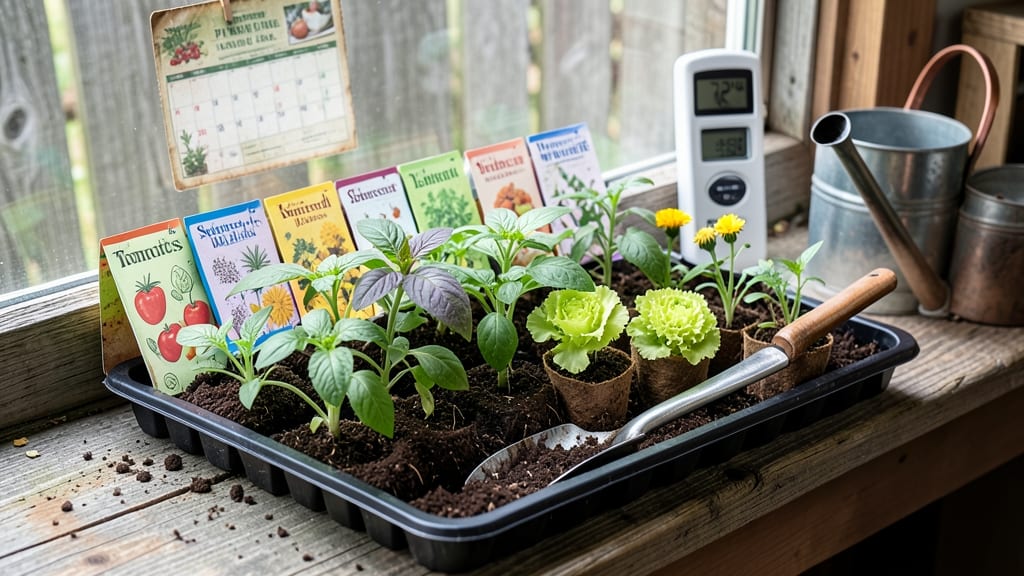
To plant garden plants at the right time means catching the sweet spot between frost and heat—miss it, and you risk stunted growth or wasted seeds.
Timing your garden planting can mean the difference between a thriving harvest and wasted effort—getting the frost-free dates wrong risks stunted growth or total crop failure.
Whether you’re in Zone 6a or another region, knowing when to start seeds indoors or set transplants in the ground is the key to success.
Most General Garden Plants 🌱 thrive when planted after the last frost in spring or 4-6 weeks before the first frost in fall. But the exact window depends on your climate, crop type, and even your microclimate—coastal areas may have earlier planting dates than inland spots.
In this guide, I’ll break down the best planting months by USDA zone, how to adjust for your local conditions, and tips for extending your growing season—so you can maximize your garden’s potential every year.
Frost-free planting dates by USDA Hardiness Zones: exact timelines for success
Getting your planting timing right is the foundation of a successful garden. The USDA Hardiness Zones provide a starting point, but the last average frost date in your area determines when you can safely plant warm-season crops.
Coastal areas often have later frosts than inland locations just a few miles away, so always check local records for accuracy.
For cool-season crops like lettuce and spinach, you can plant as early as 4-6 weeks before your last frost date, often in late winter or early spring.
Meanwhile, warm-season crops such as tomatoes and peppers need to wait until 2 weeks after your last frost to avoid damage from chilly soil and air temperatures.
Here’s a breakdown of frost-free planting windows by USDA Zone, including adjustments for common regional variations:
| USDA Zone | Last Frost Date | Plant Warm-Season Crops | Plant Cool-Season Crops | Notes |
|---|---|---|---|---|
| 3-4 | May 15–June 1 | June 15–July 1 | March 15–April 15 | Short growing season; use row covers. |
| 5-6 | April 15–May 1 | May 15–June 1 | March 1–April 1 | Coastal areas may plant 1–2 weeks earlier. |
| 7-8 | March 15–April 1 | April 15–May 1 | February 15–March 15 | Longer season; can plant in fall for winter harvests. |
| 9-10 | January 15–February 15 | February 15–March 1 | November–December (fall) or January (spring) | Tropical crops thrive year-round in Zone 10. |
In USDA Zones 3-4, where winters are harsh, focus on early-maturing varieties of warm-season crops like bush beans or zucchini. These areas benefit from season extenders like cold frames or hoop tunnels to push the season earlier or later.
For Zones 5-6, the classic last frost date of April 15–May 1 gives gardeners a longer window to plant. Here, you can often direct-sow peas and lettuce in early spring and transplant tomatoes after Memorial Day to avoid late frosts.
Gardeners in Zones 7-8 enjoy longer growing seasons, allowing for fall plantings of cool-season crops like broccoli or kale. In these zones, you can even sow winter radishes in late fall for early spring harvests.
In Zones 9-10, frost is rare, but heat waves can still stress plants. Shade cloth becomes essential for protecting leafy greens and herbs during summer months. Some gardeners in these zones grow year-round vegetables like carrots or spinach with minimal frost risk.
Always verify your local frost dates using resources like the National Oceanic and Atmospheric Administration (NOAA) or your local cooperative extension service. Microclimates—like urban heat islands or valleys—can shift frost dates by 1-3 weeks, so observe your garden’s patterns over time.
Pro tip: Use a soil thermometer to confirm when soil temperatures reach 60°F+ for warm-season crops. This is often 1-2 weeks after the last frost date, depending on your location.
How to adjust planting times for your microclimate: heat waves, early frosts, and soil temperature rules
Your local weather forecast might say "last frost date is April 15," but that doesn't mean you should rush to plant your tomatoes or peppers immediately. Microclimates—those small areas with unique temperature and moisture conditions—can drastically alter your planting timeline.
A soil thermometer becomes your best friend here, as roots need specific warmth to thrive before shoots emerge.
For example, cool-season crops like lettuce and spinach can handle 40°F soil temps, while warm-season favorites such as cucumbers and beans demand 60°F or higher. Waiting for soil—not air—temperature ensures strong root development and faster growth.
In my Zone 6 garden, I’ve learned the hard way that planting tomatoes too early, even after the last frost, leads to stunted plants when a late cold snap hits.
⚠️ callout warning ⚠️
Even if your last frost date passes, don’t rush! Wait 2 weeks for tomatoes, peppers, and eggplants to avoid early frost damage. For cool-season crops, plant 4-6 weeks before first frost—but check soil temps first. Heat waves can also trick you: seedlings may wilt if planted before roots establish in consistent warmth.
💡 Pro Tip: Use row covers to extend seasons by 2-4 weeks in spring/fall.
Extending your growing season with row covers or cold frames is one of my favorite hacks. These lightweight fabrics trap heat and protect tender seedlings from unexpected early frosts.
I’ve successfully planted spinach in early March under a row cover and harvested it before the official last frost date—giving me a head start on the season. Just remember to remove covers during the day once plants mature to prevent overheating.
Another trick is to calculate your safe planting window by adding 10-14 days to your last frost date for warm-season crops. This buffer accounts for late frosts, which are more common than you’d think.
For instance, in Zone 5, I wait until May 10 to plant tomatoes, even if the last frost is April 15. This small adjustment has saved my plants from blackened leaves more times than I can count.
Don’t overlook soil temperature rules—they’re non-negotiable. Use a soil thermometer to monitor conditions at 4-inch depth, where most roots grow. For peppers, aim for 70°F+ soil; for carrots, 50°F+ is ideal.
If your soil is too cold, hold off until temperatures rise. Patience here means the difference between a bountiful harvest and a disappointing yield.
Finally, keep a gardening journal to track your microclimate’s quirks. Note when heat waves strike early or frosts arrive late—this data becomes your planting guide over time. Last year, my zucchini thrived when planted on May 20, but my neighbor’s 50 feet away struggled until June 1.
Our microclimates were different, and adjusting my timing saved my harvest.