
Planting
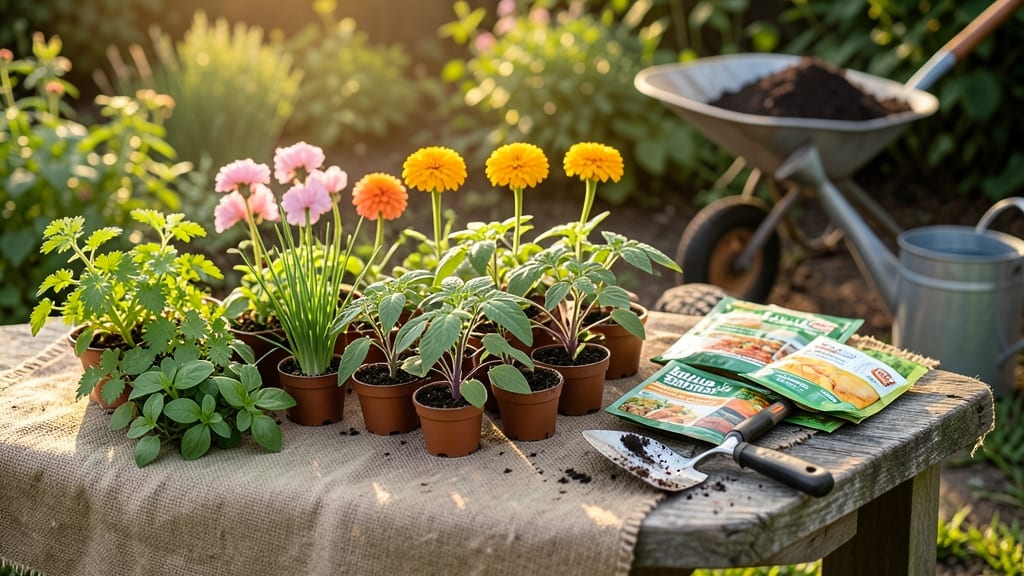
Planting a garden in Ohio at the right time means the difference between a bountiful harvest and a sad pile of frozen seedlings.
Ohio’s unpredictable spring weather can turn your gardening dreams into a gamble—unless you know the exact last frost dates by county. Plant too early, and a surprise freeze could ruin your crops; too late, and you’ll miss peak harvests.
This guide breaks down county-specific frost dates so you can align your planting schedule with Ohio’s USDA zones 5b–6a, whether you’re sowing warm-season veggies like tomatoes or cool-season greens like spinach.
From seed-starting indoors to transplanting outdoors, I’ll walk you through the step-by-step timing—plus how to adjust for microclimates and extend your growing season with simple tools.
Ohio last frost dates by county: your risk-free planting timeline
Ohio’s last frost dates vary dramatically by county—some areas can safely plant tomatoes by late April, while others wait until mid-May. These averages are based on 30-year climate data but include 5-year variability to account for Ohio’s unpredictable swings.
Warm-season crops like peppers and beans need consistent warmth, so timing matters more than for hardy greens.
Northern Ohio counties (like Lake or Ashtabula) average their last frost around May 15, while southern counties (like Hamilton or Montgomery) often hit April 20–May 1. Urban areas like Columbus tend to warm up faster than rural Appalachian regions due to the heat-island effect.
Always adjust for your microclimate—valleys stay colder, and south-facing slopes warm up earlier.
Below is your county-by-county planting timeline, including safe planting windows for warm-season crops. Use these as a starting point, then monitor your local soil temperature (aim for 60°F+ for tomatoes and peppers). A frost cloth can extend your season by 2–3 weeks if needed.
For cool-season crops like spinach or carrots, plant 4–6 weeks before your last frost date. These hardy veggies tolerate light frosts, but direct sowing too early can lead to bolting (premature flowering). Use row covers to protect seedlings if late frosts linger.
If you’re growing peppers, wait until soil temperatures hit 70°F+, even if frost risk is low. Peppers are heat-lovers and won’t thrive in cool soil.
Start seeds indoors 8–10 weeks before your last frost date for a head start. Transplant shock is less likely if seedlings are hardened off properly.
Urban gardeners in Columbus or Cincinnati often see earlier last frosts due to concrete and pavement retaining heat. However, low-lying areas (like river valleys) can stay 5–10°F colder than surrounding regions. Always check your specific neighborhood—a backyard thermometer is worth the investment.
Pro tip: Use the "50/50 rule"—when 50% of your area’s last frost dates have passed, it’s statistically safe to plant warm-season crops. For
How to use frost dates to plan your Ohio garden calendar
Ohio’s USDA zones 5b-6a mean your planting schedule depends on more than just the calendar—it’s about understanding frost dates and how they vary across the state. Cool-season crops like spinach and carrots thrive in cooler temps, while tomatoes and peppers need warmth.
Knowing your last frost date (typically late April to early May) and first frost date (mid-October to early November) is key to avoiding frost damage or missed harvests.
Start by calculating your frost-free growing season. Subtract your last frost date from your first frost date to determine how many days you have for warm-season crops.
For example, if your last frost is May 15 and first frost is October 15, you have about 150 days—perfect for heat-loving plants like squash or corn. Use this window to plan your planting timeline and avoid last-minute scrambles.
- 🌱 Step 1: Identify Your County’s Frost Dates
- Look up your last frost date (e.g., May 1-15 in most of Ohio) and first frost date (e.g., October 15-30). Use Ohio State University Extension resources for county-specific data.
- 🌡️ Step 2: Plant Cool-Season Crops Early
- Sow spinach, carrots, and lettuce 4-6 weeks before your last frost date. These thrive in 50-60°F soil and can handle light frosts (28°F). Use row covers for extra protection.
- ☀️ Step 3: Wait for Warm Soil for Warm-Season Crops
- Plant tomatoes, peppers, and beans only after soil reaches 60°F+ (usually 2-3 weeks after last frost). Test soil with a thermometer—cold soil stunts growth.
- 🛡️ Step 4: Extend the Season with Protective Gear
- Use row covers or cold frames to push harvests later into fall. These can add 2-4 weeks to your growing season, letting you enjoy kale or radishes well past October.
- 📅 Step 5: Plan for Succession Planting
- Stagger plantings every 2 weeks for lettuce, bush beans, and radishes to ensure a continuous harvest. This works especially well in Ohio’s short growing season.
Don’t forget to account for microclimates—urban areas like Columbus or Cincinnati may warm up faster than rural zones, while valleys can stay colder longer. If you’re unsure, start seeds indoors 6-8 weeks before your last frost date for warm-season crops like peppers, which need a long growing season.
For perennials like asparagus or rhubarb, plant in early spring or fall to establish roots before winter. These hardy plants benefit from Ohio’s cold winters and reward you with early harvests. Always mulch heavily in late fall to protect roots from freezing temperatures.
Pro tip: Bookmark the Old Farmer’s Almanac or NOAA’s frost prediction maps for real-time updates. Ohio’s weather can shift quickly, so flexibility is key. With these steps, you’ll turn frost dates from a guess into a garden-planning powerhouse! 🌿