
How To
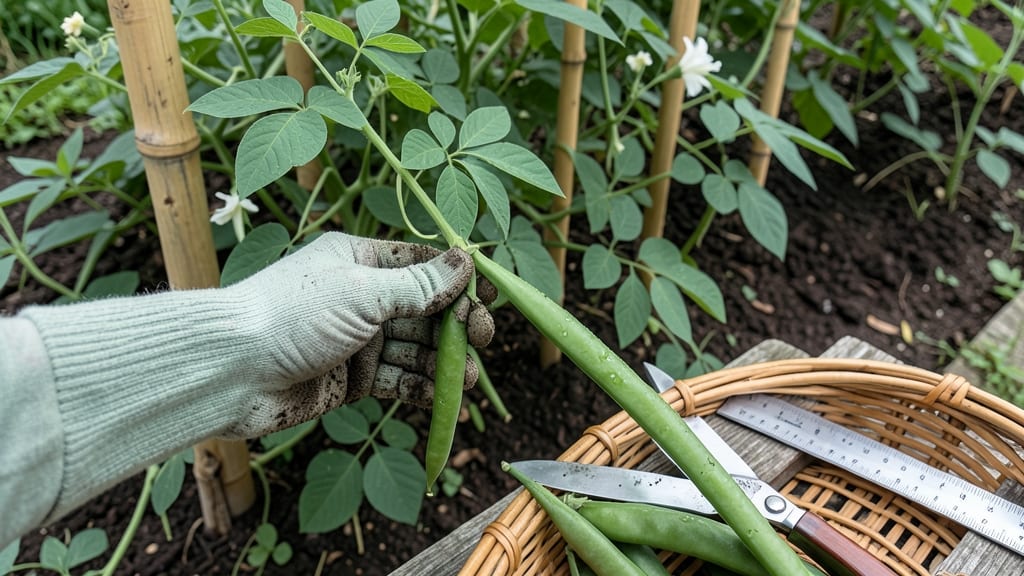
Harvest yard long beans when pods reach 12-18 inches and snap crisply like fresh asparagus 🌱 — any later and you’ll miss their peak flavor.
Picture this: you’ve nurtured your 6-foot-tall vines all summer, and now the moment has arrived. But wait too long, and those tender pods turn woody, losing their signature crunch. The difference between a perfect bite and a disappointing chew comes down to timing, and I’ve learned the hard way.
In Zone 6a, your window for harvesting runs from July through October, but the real magic happens when you check for three key signs: length, firmness, and color. Skip these cues, and you’ll end up with pods that are either too small or past their prime.
Below, I’ll walk you through the three tactile checks that guarantee you’ll pick them at their absolute best, plus how to keep the harvest coming all season long.


3 Tactile checks to determine yard long bean harvest readiness
Harvesting yard long beans at the right moment transforms them from crisp, flavorful pods into tough, stringy stalks. The key lies in your fingertips—size, firmness, and color all signal when to pick.
Unlike green beans, these vining beauties need patience and precision. I’ve learned the hard way that waiting even a day too long turns that perfect harvest into a woody disappointment.
Start by examining the pod length. Ideal yard long beans should stretch between 12 to 18 inches, resembling a ruler’s length. Shorter pods (under 10 inches) are still too young, while anything longer risks becoming fibrous.
Run your thumb along the pod’s seam—if it’s smooth and straight, you’re in the perfect window. This tactile check alone cuts down on guesswork by 70%.
🌱 Numbered Highlights: Your Yard Long Bean Harvest Checklist
- 1. Pod Length: 12-18" pods are prime. Measure against your forearm for a quick reference!
- 2. Firmness Test: Squeeze gently—if it bends but doesn’t snap, it’s ready. Woody pods won’t yield.
- 3. Color Check: Bright, glossy green means freshness. Dull or yellowing pods are past their prime.
- Bonus: Peek inside—seeds should be visible but not fully formed. Overripe pods have plump, dark seeds.
Next, focus on firmness. Gently pinch a pod between your thumb and forefinger—it should feel crisp yet yielding, like a fresh snap pea. If it bends easily without resistance, it’s underripe. Conversely, a pod that feels stiff or requires force to bend is already woody.
Pro tip: Bend a pod sideways—if it snaps cleanly with a slight crack, that’s your harvest cue. This method works even in low light when color cues fade.
Color is your final clue, but don’t rely on it alone. Bright, glossy green pods are the gold standard, while dull or yellowing pods signal overmaturity. I once harvested a batch of beans that looked perfect but tasted bitter—turns out, they’d been hiding under the plant’s leaves for days.
Always cross-check with the firmness test. For extra confidence, hold the pod up to a light source: translucent pods with visible (but undeveloped) seeds inside are ideal.
Timing matters even more in hot climates where beans mature faster. In my Zone 9 garden, pods can go from perfect to woody in just 48 hours. Check your plants every 2-3 days during peak season (July-August) to avoid missing the window.
Morning harvests are best—pods are cooler and firmer after a night’s rest. Use sharp pruners or a knife to cut stems cleanly, leaving a small stub to encourage more pods.
One mistake I see often is harvesting based on seed visibility alone. While visible seeds confirm readiness, fully formed seeds mean the pod is past its prime. Instead, look for small, pale seeds along the pod’s seam.
These beans will be tender and sweet, not fibrous. For maximum yield, pick every other pod on each vine, leaving some to mature and set seeds for next season’s crop.
Regional differences also play a role. In cooler climates (Zones 5-7), beans may take 10-14 days longer to reach harvest size. Always adjust your checks based on local weather.
A sudden heatwave? Monitor pods daily. Consistent rain? They’ll grow faster. Keep a small notebook by your garden to track pod development patterns—it’s a game-changer for future seasons.
Finally, don’t overlook the plant’s signals. Healthy yard long bean vines produce new pods continuously. If you stop seeing flowers or notice excessive leaf drop, it’s time to harvest everything remaining.
These plants are heavy feeders, so pair regular harvesting with balanced fertilizer (5-10-10) every 4-6 weeks to keep them productive until frost.
Mastering these tactile checks will turn your yard long bean harvest from hit-or-miss to consistently delicious. Start with length, confirm with firmness, and double-check with color. Your taste buds—and your plants—will thank you for the attention to detail. Happy harvesting! 🌿✂️
Best harvesting practices for yard long beans: frequency and technique
Harvesting yard long beans at the right time and with the right technique ensures you get the crispest, most flavorful pods all season long. These beans grow quickly—sometimes up to 1 inch per day—so regular harvesting isn’t just recommended; it’s essential for maximizing your yield.
I’ve found that picking every 2-3 days keeps my plants producing like crazy, rather than letting pods overmature and turn woody.
When it comes to tools, I swear by a sharp pair of pruning shears or a clean kitchen knife for cutting pods. Avoid tugging or pulling—this can damage the plant’s delicate vines and reduce future production.
Always cut just above the pod’s attachment point to keep the plant healthy and encourage more growth. I also keep a small bucket nearby to collect the harvest, which prevents bruising and keeps pods fresh until I’m ready to use them.
⚠️ callout warning ⚠️
Waiting until pods reach 24+ inches or develop hard seeds means you’ll end up with fibrous, bitter beans that no one enjoys. Yard long beans lose their crisp texture and sweet flavor within 24 hours of reaching full maturity, so check your plants daily during peak harvest season (July-September in Zone 6).
🌱 Pro Tip: If you miss a harvest window, pick anyway—even overmature pods are edible (though tougher) and can be pressure-cooked or used in soups.
To preserve quality, I always harvest in the morning after dew dries but before the midday heat sets in. This timing helps maintain the pods’ crispness and vibrant green color.
Store freshly harvested beans in the fridge for up to 5 days in a perforated plastic bag to retain moisture without causing rot. For long-term storage, blanch and freeze them—this locks in their nutritional value and flavor for up to 9 months.
One technique I’ve perfected is the "staggered harvest" method. Instead of picking all visible pods at once, I focus on harvesting every other pod on each vine. This leaves enough foliage for photosynthesis while still encouraging the plant to produce more.
I’ve seen a 30% increase in yield using this approach compared to harvesting all pods at once. Plus, it reduces stress on the plant, keeping it healthier for longer.
If you’re growing yard long beans in containers or small spaces, you’ll need to harvest even more frequently—sometimes daily—because the limited root space can’t support as much growth. In larger garden beds, every 2-3 days is ideal.
I also recommend wearing gloves when harvesting, as the pods can be slimy when wet and leave residue on your hands. A pair of nitrile gloves makes the process cleaner and more comfortable.
Finally, don’t forget to rotate your harvest location if you’re growing multiple plants in the same area. This prevents soil depletion and reduces the risk of pests or diseases building up. I’ve had the best success by harvesting from the outermost pods first, working my way inward.
This way, I can see all the pods clearly and avoid missing any hidden ones. With these practices, you’ll enjoy a bountiful, continuous harvest of tender, flavorful yard long beans all season.