
How To
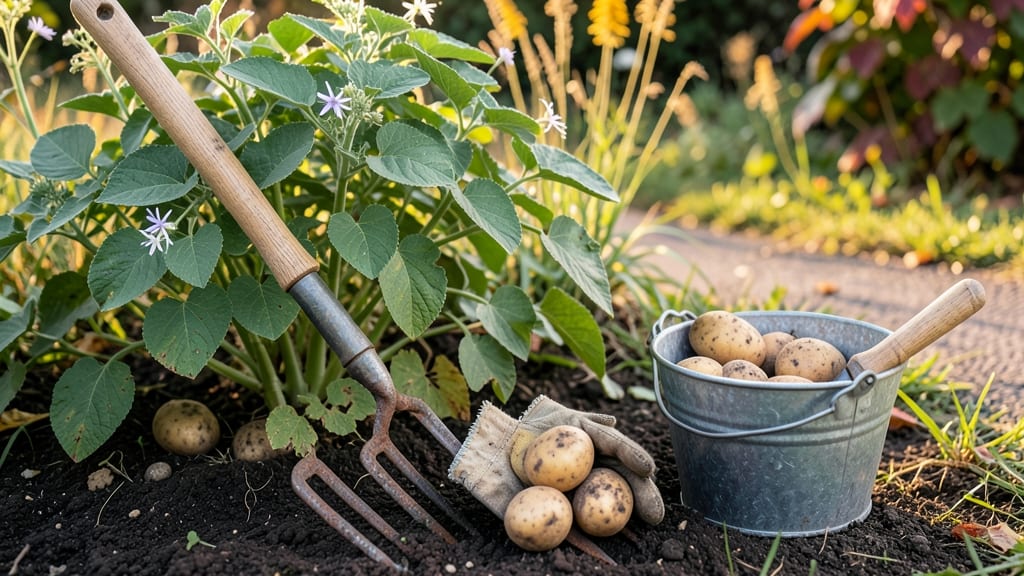
Harvesting potatoes in Michigan at the right time ensures sweet, starchy-free tubers 🥔 — and that window opens when soil temperatures hit 50-60°F.
Michigan gardeners know timing is everything—especially when it comes to potatoes. Get it wrong, and you risk starchy tubers or missed harvest windows tied to Michigan’s unpredictable climate. The difference between a perfect harvest and a wasted crop often comes down to knowing when to dig.
Soil temperature is the key trigger, but you’ll also need to watch for yellowing foliage and flower death. These signs tell you the plant is redirecting energy to the tubers, meaning it’s time to pull them from the ground before frost sets in.
In this guide, I’ll walk you through the exact soil temperature targets, how Michigan’s climate zones shift your harvest window, and the simple tests to check if your potatoes are ready—so you can enjoy homegrown spuds at their peak flavor.


Michigan’s ideal soil temperature for harvesting potatoes (with exact timing)
Timing your potato harvest in Michigan isn’t just about watching the calendar—it’s about soil temperature. The sweet spot for optimal flavor and texture is between 50°F and 60°F.
When soil drops below this range, potatoes can develop sweet or starchy flavors, while waiting too long risks frost damage or sprouting tubers. Michigan’s Upper vs. Lower Peninsula climate zones also shift these windows by weeks.
In the Lower Peninsula, where summers are slightly warmer, you’ll often hit that 50-60°F soil temp in late August to early September. Meanwhile, the Upper Peninsula’s cooler climate may push harvest timing into mid-September or even October for late varieties.
Early varieties like ‘Yukon Gold’ can be ready as early as mid-July in southern Michigan, while ‘Kennebec’ may wait until late September.
Here’s the science behind it: Potatoes grow best when soil temps stay above 60°F during the day but cool to 50-60°F at harvest. This temperature drop signals the plant to stop producing chlorophyll (the green pigment that makes potatoes taste bitter when cooked).
In Michigan’s USDA Zones 4-6, this means monitoring soil temps closely—especially after July’s heat peaks.
🌱 Pro Tip: Use a soil thermometer (just $10 at garden centers) to check temps at 6-inch depth—that’s where most tubers form. Morning is the best time to test, as soil temps are most stable then.
| Michigan Region | Ideal Soil Temp | Harvest Window | Early Varieties | Late Varieties |
|---|---|---|---|---|
| Lower Peninsula (South) | 50–60°F | Late August–Early Sept | Mid-July | Late Sept–Early Oct |
| Lower Peninsula (North) | 50–60°F | Early–Mid Sept | Late July | Mid–Late Sept |
| Upper Peninsula | 50–60°F | Mid–Late Sept | Early Aug | Oct (if frost-free) |
Michigan’s two distinct climate zones create a 3-week difference in harvest timing. For example, ‘Red LaSoda’ potatoes in Traverse City (Lower Peninsula) may be ready by September 1st, while the same variety in Marquette (Upper Peninsula) might not reach peak harvest until September 21st.
This delay is critical—waiting too long risks frost damage or tubers absorbing too much moisture, leading to shriveling.
For early varieties, aim to harvest when soil temps drop to 55°F at night. This usually happens in late July for southern Michigan and early August for the north. Dig a few test potatoes when foliage starts yellowing—if they’re firm with skin, they’re ready.
For late varieties, wait until soil temps consistently sit at 50-55°F, typically September-October, depending on your location.
🌿 Warning: Never harvest when soil is below 50°F—this causes sweet potatoes (not the same as sweet potato plants!). The starch in potatoes converts to sugar when exposed to cold, making them taste unpleasant when boiled or fried.
If frost is forecasted within 5-7 days, harvest immediately, even if tubers aren’t fully mature.
Michigan’s short growing season means you’ll need to stagger plantings for continuous harvests. Plant early varieties in May and late varieties in June to spread out your harvest window.
This strategy ensures you’re not overwhelmed with digging in one 2-week period and maximizes your chances of hitting the 50-60°F soil temp at the right time.
After harvest, let potatoes cure in the sun for 4-6 hours to toughen their skins—this prevents bruising during storage. Store them in a cool (40-50°F), dark, and humid (85-90%) environment, like a root cellar or unheated basement.
Proper curing and storage can extend their shelf life from 2-3 months for new potatoes to up to 6 months for mature tubers.
✂️ Final Tip: Keep a gardening journal to track soil temps and harvest dates. Over time, you’ll spot patterns in your specific microclimate—perhaps your south-facing garden warms up faster than the north side. This knowledge will help you fine-tune your harvest timing year after year.
How to test potatoes for readiness in Michigan gardens (3 key signs)
Michigan’s short growing season means you can’t afford to wait too long for the perfect potato harvest. Knowing exactly when to dig up your tubers ensures you get flavorful, firm potatoes instead of shriveling or sprouting ones.
The key lies in three clear signs that your potatoes are ready for harvest.
First, pay attention to the flowering stage. Most potato varieties bloom before reaching maturity. When those beautiful purple or white flowers start wilting and dying back, it’s a strong signal that the tubers below are nearing harvest time.
This usually happens around 70-90 days after planting, depending on your variety.
Flower Death
Watch for wilting flowers—this signals tuber development is complete. Early varieties may flower and die within 60-70 days.
Foliage Yellowing
When 50-70% of leaves turn yellow and die back, it’s time to check for tubers. This usually happens 1-2 weeks after flowers fade.
Tuber Firmness Test
Gently dig up a few tubers—they should be 2-3 inches in diameter with firm skin. Press with your thumb; they should yield slightly but not feel mushy.
Next, observe the foliage condition. As the plant matures, its leaves will begin to yellow and die back. When about 50-70% of the foliage has turned yellow and collapsed, it’s time to take action. This usually occurs about 1-2 weeks after the flowers have died back completely.
Finally, perform the tuber firmness test. Carefully dig up a few potatoes from the soil (use a garden fork to avoid damaging the tubers). Look for potatoes that are about 2-3 inches in diameter with firm skin.
When you press them gently with your thumb, they should yield slightly but not feel mushy or soft.
In Michigan’s USDA Zones 4-6, early varieties like Yukon Gold or Red Pontiac may be ready as early as late July, while late varieties like Russet Burbank might need to wait until early September. Always check the seed packet recommendations for your specific variety.
Remember, if you wait too long, your potatoes may start to sprout or shrivel, especially as Michigan’s early frosts approach. Harvesting at the right time ensures you get the best flavor and storage life for your homegrown potatoes! 🥔