
How To
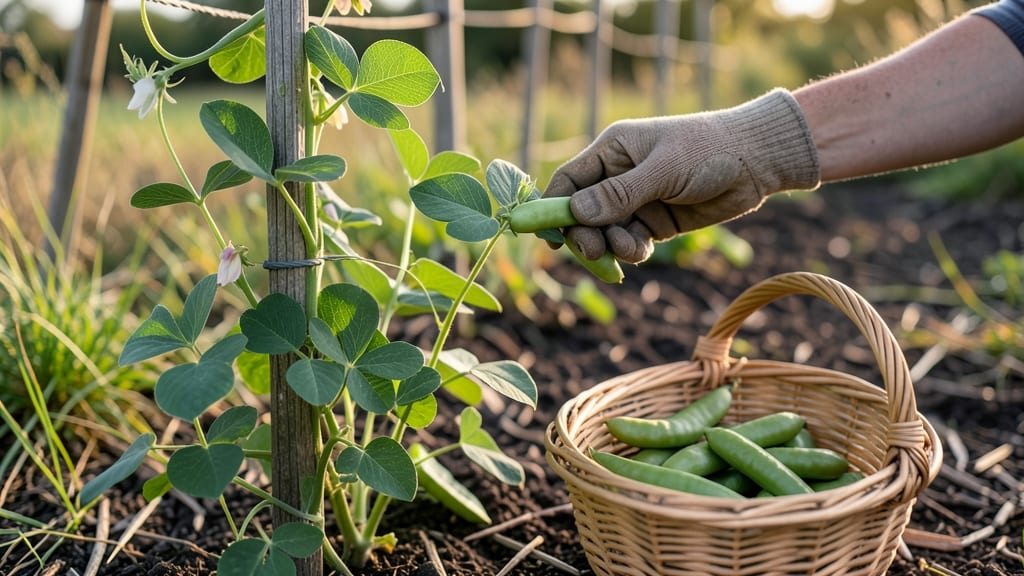
Harvesting pea pods at the right time transforms your garden into a sweet, tender feast instead of a tough, mealy disappointment.
Pea pods are one of the fastest-growing vegetables in the garden, but timing their harvest wrong can turn sweet, tender peas into tough, mealy disappointments. Mastering the twist-and-snap test is your secret weapon for unlocking peak flavor and maximizing your harvest—here’s exactly when and how to do it right.
Most varieties are ready to pick 50-70 days after planting, but don’t rely on days alone. Look for pods that are 2-3 inches long, bright green, and slightly swollen. If they snap easily when bent, they’re perfect for the pot.
Miss the window, and you’ll end up with overmature peas that are hard and stringy. Below, I’ll show you how to use the twist-and-snap test, plus the best times to harvest by variety—so you can enjoy the sweetest, freshest peas all season long.


How to use the twist-and-snap test to determine pea pod harvest time
Pea pods mature quickly, and harvesting them at the right moment transforms your garden into a sweet, crispy feast. The twist-and-snap test is my foolproof method for determining when pea pods are ready to pick.
This simple tactile check combines visual cues and physical feedback to ensure you never harvest too early or too late. Whether you're growing sugar snap, snow peas, or shelling peas, this test works for all varieties.
The key to perfect peas lies in their pod firmness and seed development. Overripe pods become tough and fibrous, while underripe pods lack flavor. By mastering this test, you’ll consistently harvest peas at their sweetest and most tender stage.
Let’s break down the exact steps to apply this test like a pro gardener.
For sugar snap peas, the pods should be crisp and sweet with barely visible seeds. These peas are best harvested when the pods are flat and slightly swollen, typically around 60-70 days after planting.
If you wait too long, the pods will become fibrous and lose their signature crunch.
Snow peas, on the other hand, should be harvested when they’re flat but still tender, with seeds that are tiny and barely discernible. The twist-and-snap test is especially useful here because snow peas can quickly go from perfect to tough. Aim for a harvest window of 55-65 days for the best texture and flavor.
When dealing with shelling peas, focus on the seed development inside the pod. The pod itself should be plump and bright green, but the seeds should be small and firm.
Overripe shelling peas will have large, hard seeds that dominate the pod. Harvest these around 60-70 days, depending on the variety, to ensure the peas inside are sweet and tender.
Pro tip: Perform the twist-and-snap test on multiple pods from different parts of the plant. Peas can mature at slightly different rates, so checking a few ensures you’re harvesting at the peak time for the entire crop. Consistency is key—aim to harvest every 2-3 days to encourage continuous production.
If you miss the harvest window, don’t worry! Peas can stay on the vine for a few extra days, but their quality will decline rapidly. For the best results, make the twist-and-snap test a daily habit during your pea harvest season.
With practice, you’ll develop an instinct for when pods are ready, making your harvests effortless and delicious.
🌱
Best harvest times by pea variety: sugar snap vs. snow vs. shelling peas
Not all pea pods are created equal—and neither are their ideal harvest windows. Sugar snap, snow peas, and shelling peas each demand different timing to deliver peak flavor and texture.
Harvest too early, and you’ll miss out on sweetness; too late, and you’ll end up with tough, fibrous pods. Let’s break down the perfect harvest cues for each variety to ensure your garden yields the sweetest rewards.
Understanding these distinctions isn’t just about avoiding mealy peas—it’s about maximizing your harvest’s flavor profile and yield potential. For example, sugar snap peas should be harvested when their pods are crisp and sweet, while shelling peas need slightly larger seeds for the best texture.
Missing the window by even a day can turn your harvest from delightful to disappointing.
Timing matters most because pea pods mature rapidly. Once they pass their prime, they toughen up, and their sugars convert to starches, ruining that fresh-from-the-vine taste. Here’s how to nail the harvest for each type:
| Pea Variety | Pod Size | Firmness | Seed Visibility | Days to Harvest | Flavor Profile |
|---|---|---|---|---|---|
| Sugar Snap | 2-3 inches | Firm, crisp | Seeds tiny, barely visible | 50-65 days | Sweet, crunchy |
| Snow Peas | 2-3 inches | Flat, tender | Seeds tiny, flat | 55-65 days | Mild, crisp |
| Shelling Peas | 3-4 inches | Slightly soft | Seeds plump, visible | 60-70 days | Sweet, tender peas |
For sugar snap peas, aim to harvest when pods are 2-3 inches long and snap easily when bent—this ensures maximum crunch and sweetness.
If you wait too long, the pods will thicken and lose their signature crispness. Snow peas, on the other hand, should be harvested when they’re flat and tender, with tiny, barely visible seeds. Their flavor peaks when they’re still young and delicate.
Shelling peas require a slightly later harvest, typically when pods reach 3-4 inches and the seeds inside are plump but not overgrown. The key here is to avoid letting the pods become too fibrous or the seeds too large, which can make them tough to chew. Always prioritize freshness and tenderness—these are your best indicators of a perfect harvest.
Pro tip: Check your pea pods every 2-3 days during peak harvest season. Consistency is key to avoiding overripe pods and ensuring a steady supply of fresh, sweet peas straight from your garden. With the right timing, you’ll enjoy a harvest that’s nothing short of spectacular!