
Vegetables
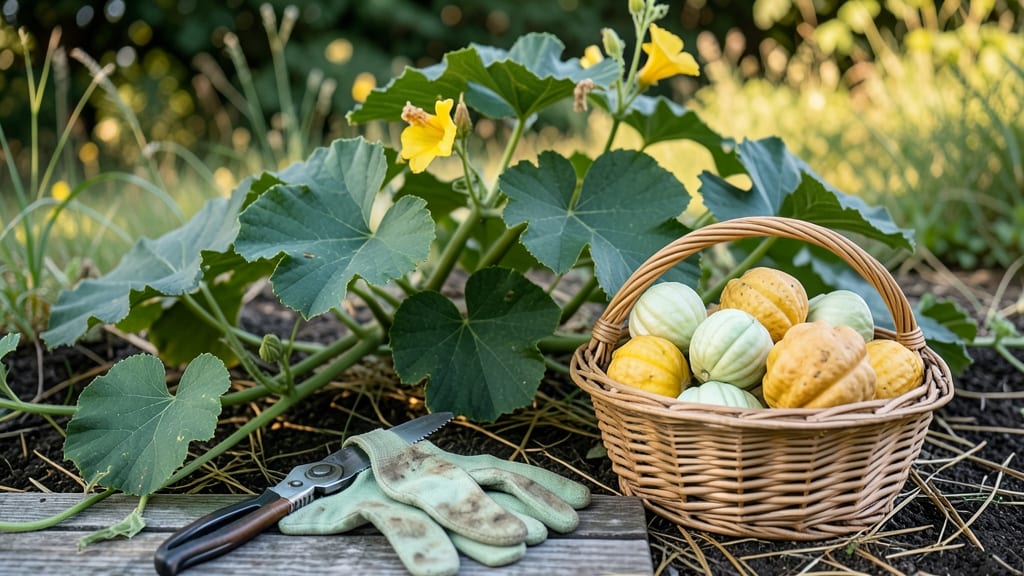
Harvesting patty pan squash at the right time transforms a decent crop into a flavor explosion 🎃—and missing that window means tough, bitter squash or wasted effort.
You’ve nurtured these little golden gems all summer, but how do you know when they’re truly ready? The answer lies in three simple cues: size, color, and texture. Skip these, and you might end up with squash that’s either too small for the pan or overripe and stringy.
In this guide, I’ll walk you through the exact visual and tactile clues to pick patty pan squash at peak ripeness—plus the one mistake even experienced gardeners make that ruins the harvest.
By the end, you’ll harvest with confidence, store your bounty properly, and enjoy squash that tastes like summer in every bite.
3 Visual signs your patty pan squash is ready for harvesting
Patty pan squash thrives when harvested at the perfect moment—just when its flavor and texture peak. Unlike some squash varieties, these scalloped beauties don’t overripe easily, but timing still matters.
The key lies in three visual cues that tell you it’s time to pick: size, color, and stem separation. Mastering these signs ensures you enjoy sweet, tender squash instead of tough, bitter ones.
First, let’s talk about size. When your patty pan squash reaches 3 to 4 inches in diameter, it’s usually ready. These squash grow quickly, so checking them every 2-3 days during peak season prevents them from outgrowing their prime.
Smaller than 2 inches? Too early. Larger than 4 inches? You’ve missed the window. Think of it like catching a golden moment in the garden.
Next, pay attention to color. The skin should shift from pale green or yellow to a deep, even hue. For green varieties, this means a rich, vibrant green without yellowing. For yellow types, the color should be bright and consistent.
Uneven coloring or pale patches signal underripe squash. Pro tip: Morning sunlight enhances color vibrancy, so harvest in the cool hours of the day for the most accurate assessment.
Here’s where many gardeners miss the mark: stem separation. A ripe patty pan squash should detach easily from the vine when you gently twist it. If the stem resists or tears, the squash needs more time.
But be careful—if the stem snaps cleanly but the squash feels soft, it’s overripe. The goal is a smooth twist that separates the stem without resistance.
🌱 3 Visual Signs Your Patty Pan Squash Is Ready
- 📏 Size: 3-4 inches in diameter (flat, scalloped shape fully formed).
- 🎨 Color: Deep, even hue (green or yellow, no pale spots).
- 🌿 Stem: Twists off easily with a slight resistance (no tearing).
Bonus Tip: Check squash in the morning when skin is firmest.
Don’t overlook the skin texture, either. A ripe patty pan squash has a hard, glossy skin that resists gentle pressure. Press your fingernail into the skin—if it leaves a dent, the squash isn’t ready.
If the skin feels dull or wrinkled, it’s past its prime. Think of the skin like an armor: thick and protective when ripe, thin and vulnerable when underripe.
Environmental factors can throw off your timing, so keep an eye on the weather. Hot, dry spells speed up ripening, while cool, rainy weather slows it down. If your squash are maturing faster than expected, check them daily.
Conversely, if the season cools unexpectedly, give them extra time. Patty pan squash are frost-sensitive, so plan your harvest before temperatures dip below 50°F (10°C).
One common mistake? Harvesting based on age alone. While patty pan squash typically mature in 50-60 days, individual plants can vary. Always verify visually rather than relying on days since planting.
For example, a squash that’s 55 days old but still pale and soft isn’t ready—wait a few more days. When in doubt, harvest one to test its readiness and leave the rest on the vine.
Finally, remember that variety matters. Some patty pan squash, like the ‘Sunburst’ variety, stay green when ripe, while others, like ‘Golden Delight’, turn yellow.
Familiarize yourself with your specific variety’s color cues before the harvest season begins. This knowledge ensures you’re not guessing—you’re prepared to pick at the perfect moment.
Once you’ve mastered these three visual signs, harvesting patty pan squash becomes second nature. The reward? Squash that are sweet, tender, and bursting with flavor—the kind that make gardeners smile.
Next time you’re eyeing your vines, take a moment to check these cues. Your taste buds will thank you!
How to test patty pan squash ripeness: the thumb trick and more
Beyond just looking at your patty pan squash, there are tactile and auditory tests that can confirm ripeness. The thumb-press test is my go-to method—simply press your thumb gently into the squash skin.
If it springs back without leaving an indentation, it’s ready. This firmness indicates the starch-to-sugar ratio has perfected for peak flavor.
Another trick I swear by is the stem-twist test. Gently twist the stem near the squash—if it snaps cleanly, that’s your cue to harvest. A stubborn stem usually means the squash still needs time.
This method works best in the morning after dew has dried, when the plant is at its firmest.
Listen closely too! A ripe patty pan squash will make a hollow sound when tapped lightly with your knuckles. This auditory cue signals the seeds have fully developed, and the flesh is at its sweetest.
I’ve found this trick especially helpful for green varieties, which can be harder to judge visually.
Waiting too long past these tests causes bitter, fibrous flesh and tough seeds. Patty pan squash overripening is irreversible—once the skin dulls or cracks, it’s past its prime. Harvest within 24 hours of passing these tests for the best texture and taste.
For yellow varieties, watch for a deep, even color without green patches. The skin should feel smooth and slightly waxy, not rough or dull. I’ve noticed that hot summer days can accelerate ripening, so check your squash more frequently during heatwaves.
One common mistake I see is harvesting based on size alone. While 3-4 inches is ideal, a squash can be that big but still underripe. Always combine size with the thumb test and stem twist for accuracy.
Pro tip: Use a soft cloth when handling ripe squash to avoid bruising their delicate skin.
If you’re unsure, harvest a few squash and taste-test them. The flavor difference between perfectly ripe and slightly underripe patty pans is dramatic—ripe ones have a nutty sweetness that underripe squash lack. Keep a small harvest journal to track what works best in your climate!