
How To
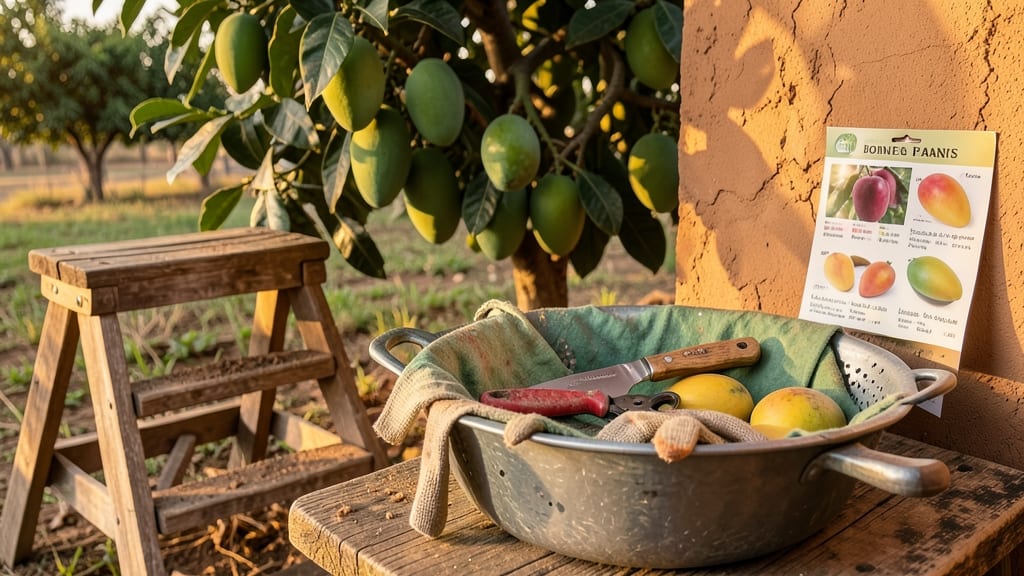
Harvesting a mango at the right time means the difference between a burst of tropical sweetness and a bland, mealy disappointment.
Picture this: you’ve waited months for your 🥭 to ripen, only to pick it too soon and end up with a flavorless lump. Or worse, you leave it on the tree too long, and it splits or attracts pests.
The key? Knowing when to harvest isn’t just about color—it’s about five simple tactile tests that tell you exactly when to reach for those plump, fragrant fruits.
Most gardeners focus on color, but the real secrets lie in the stem’s give, the aroma near the blossom end, and how the skin yields under gentle pressure. These cues work whether you’re growing a mango in frost-free zones or protecting a young tree in cooler climates like 9b.
Miss them, and you’ll either waste a fruit or regret not harvesting sooner.
In this guide, I’ll walk you through the five must-know tests to nail ripeness every time, plus when to pick for immediate eating versus storage. No guesswork—just sweet, juicy mangoes ready to enjoy.


5 Physical tests to determine mango ripeness before harvesting
Harvesting a mango at the right moment transforms it from a hard, bland fruit into a sweet, juicy treasure. Unlike some fruits that ripen off the vine, mangoes reach peak flavor only when picked at the perfect stage. The challenge?
Many gardeners wait too long, ending up with overripe, mushy fruit—or worse, underripe mangoes that never soften properly. I’ve learned the hard way that tactile tests are the secret to success, and today, I’m sharing my top 5 physical cues to master this tropical art.
Mangoes don’t ripen evenly, so each fruit must be tested individually. Start by examining the stem end, where subtle changes reveal the fruit’s readiness. The key is to balance firmness with color shifts—a delicate dance that ensures you don’t miss the window.
Whether you’re growing ‘Haden’, ‘Keitt’, or ‘Valencia’ varieties, these tests apply universally. Let’s dive into the hands-on methods that’ll have you harvesting like a pro.
- 1 Color Shift: Look for a deepening hue near the stem. Green mangoes won’t ripen properly off the tree, but yellow, red, or orange blushes signal progress. Varieties like ‘Tommy Atkins’ turn red, while ‘Ataulfo’ develops a golden glow.
- 2 Stem Test: Gently bend the stem near the fruit. If it snaps cleanly (not pulls), the mango is ready. A stubborn stem means it’s not ripe yet—wait 3–5 more days.
- 3 Thumb Pressure: Press the fruit’s cheek with your thumb. A ripe mango yields slightly (like a ripe avocado) but doesn’t feel mushy. If it’s rock-hard, it’s too soon; if it’s squishy, you’ve waited too long.
- 4 Scent Check: Sniff the stem end. A ripe mango releases a sweet, tropical aroma—like a mix of peach and citrus. No smell? It’s not ready. Overpowering fermentation? It’s past its prime.
- 5 Weight Test: Hold the mango in your palm. A ripe mango feels heavier for its size due to concentrated sugars. Lift two candidates—the heavier one is usually riper.
Pro tip: Combine these tests for accuracy. A mango might pass the color check but fail the scent test, meaning it needs a few more days on the tree. I once harvested a batch based solely on color, only to discover they were underripe and mealy inside.
Now, I never skip the scent or stem test—they’re my fail-safes.
Timing matters too. In USDA Zones 10–12, mangoes typically ripen from April to July, but your local climate can shift this window. For example, Florida’s ‘Haden’ mangoes peak in May, while California’s protected groves might extend the season into early August.
Pay attention to your tree’s blooming patterns—fruit set in late winter means harvests arrive 10–12 months later.
One common mistake? Harvesting at night when fruits feel cooler and firmer. Always test in the morning sunlight—heat softens the fruit slightly, giving more accurate readings. I’ve also found that rainy seasons can delay ripening, so adjust your expectations if your tree is struggling with humidity.
Patience is key; a mango won’t magically improve after picking too early.
For tree-ripe vs. fully ripe debates, remember: mangoes picked at 70–80% ripeness (when they pass 3+ tests) will ripen off the tree in 2–5 days at room temperature. If you’re shipping fruit or storing it long-term, aim for 80% ripeness—these mangoes hold their quality longer.
Wrap them in paper towels in a breathable bag to slow ethylene buildup, which causes overripening.
Finally, trust your taste buds. If a mango feels perfect on all tests but tastes bland, it might need 1–2 more days on the tree.
Over time, you’ll develop an instinct for the ideal harvest moment—when the fruit is firm yet fragrant, with just a hint of give. That’s the sweet spot, and it’s worth the wait for a perfectly ripe mango.
🌱🥭
How to time your mango harvest for peak flavor and storage
Harvesting mangoes at the right stage ensures maximum sweetness and optimal texture. Tree-ripe mangoes (picked slightly firm) ripen perfectly off the tree, while fully ripe ones are best eaten immediately. Understanding these stages helps you decide whether to harvest for short-term enjoyment or long-term storage.
For immediate eating, wait until mangoes are fully ripe—skin deepens to yellow, red, or orange (depending on variety), and they yield slightly to gentle thumb pressure. However, picking them too late risks overripe mushiness or attracting pests like fruit flies.
If you need to store them, harvest when they’re tree-ripe (firm but yielding) to allow controlled ripening indoors.
Tree-Ripe vs. Fully Ripe Mango Harvest
Tree-Ripe Harvest (Storage-Friendly)
- 🟡 Firm but yielding skin
- 🌱 Stem snaps (not pulls)
- 👃 Mild sweet scent at stem
- 📋 Best for room-temperature ripening
Fully Ripe Harvest (Eat Now)
- 🟠 Soft, deep-colored skin
- 🤲 Gives easily to pressure
- 👃 Strong sweet aroma
- 🍽️ Best for immediate consumption
Post-harvest handling is critical. Always use a sharp, clean pruner to avoid damaging the tree, and twist the mango gently while pulling to prevent stem tears. Store tree-ripe mangoes at room temperature (68–77°F) for 3–7 days until fully ripe.
For longer storage, refrigerate them at 45–50°F (they’ll ripen slower but retain quality for up to 2 weeks).
Regional climate plays a role too. In hot, humid zones (like Florida or Hawaii), mangoes ripen faster—monitor them daily. In cooler subtropical areas (e.g., Southern California), they may take longer to reach peak ripeness. If you’re unsure, harvest slightly early and let them ripen indoors where you can control conditions.
Pro tip: Group mangoes with bananas or apples in a paper bag to speed up ripening (ethylene gas accelerates the process). Avoid storing them near ethylene-sensitive fruits like citrus, which can spoil faster.
For extended storage, consider freezing ripe mango flesh (peeled and pitted) in airtight containers for up to 6 months.
Timing your mango harvest isn’t just about flavor—it’s about preserving quality and minimizing waste. With these tips, you’ll enjoy juicy, sweet mangoes whether you’re eating them fresh or storing them for later. Happy harvesting! 🥭