
Picking
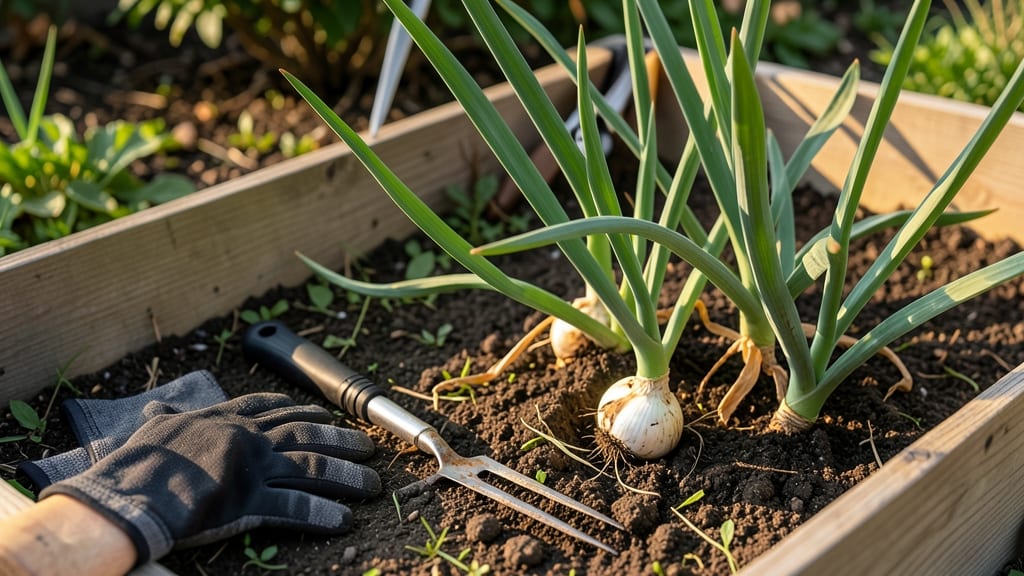
Harvesting garlic in Georgia at the right time means the difference between mild, meek cloves and bold, flavor-packed bulbs 🧄 — and the window is narrower than you think.
Picture this: you’ve spent months nurturing your garlic, only to pull it too soon and end up with weak, pungent cloves—or worse, wait too long and watch your crop bolt or rot in the heat.
In Georgia’s 7b-8b climate, timing isn’t just about the calendar; it’s about reading the plants and the weather.
For scapes, the moment arrives in late April to early May when those curly stems tighten into loops. Bulbs, however, demand patience until late May or June, when the lower leaves turn crispy brown but the tops stay green. Miss these cues, and you’ll sacrifice flavor for convenience.
Below, I’ll walk you through the exact visual signals, regional tweaks for North vs. South Georgia, and the curing steps that lock in that deep, garlicky punch. No more guesswork—just peak harvest, every time.


How to identify the perfect time to harvest garlic scapes in Georgia
Georgia’s mild winters and warm springs make it an ideal region for growing garlic, but harvesting those prized garlic scapes at the right moment can mean the difference between a flavorful harvest and a wasted opportunity.
Scapes—those curly, green stems that emerge in late spring—are a culinary treasure and a sign your garlic is ready for its next stage. If you miss the window, you risk losing both the scapes and the bulb’s potential size and flavor.
Timing your garlic scape harvest depends on two key factors: visual cues from the plant and Georgia’s unique climate zones. In North Georgia (USDA zones 7a-7b), scapes typically mature 2-3 weeks later than in South Georgia (zones 8a-8b).
Understanding these regional differences ensures you don’t harvest too early or too late, both of which can impact your crop’s yield and quality.
5 Key Signs Your Garlic Scapes Are Ready to Harvest
- 🌱 Tight Loop Formation: The scape curls into a perfect circle (about 6-8 inches wide). This indicates peak tenderness and flavor.
- 🌡️ Temperature Threshold: Daytime temps consistently reach 70-75°F for 3+ days, signaling maturity.
- ✂️ No Flower Buds: If the scape’s tip hasn’t bloomed, it’s ideal for harvest. Flowering means it’s past prime.
- 📏 Stem Diameter: The scape should be 1/4-1/2 inch thick at its base for optimal flavor and texture.
- 🌿 Leaf Health: Lower garlic leaves may start browning slightly, but the scape itself should remain vibrant green.
In North Georgia, where cooler springs delay growth, aim to harvest scapes between late April and early May.
The Chattahoochee Valley and areas near Blue Ridge Mountains often see scapes mature a week later than South Georgia, where Savannah and Macon gardeners can start harvesting as early as mid-April.
Pay attention to your local last frost date—scapes should be harvested before the plant shifts energy toward bulb development.
To test maturity, gently tug on the scape. If it snaps cleanly (rather than bending), it’s ready. Harvesting too early results in a thinner, less flavorful scape, while waiting too long causes the plant to divert energy to bulb formation, reducing both scape and bulb quality.
Pro tip: Use a clean, sharp knife or pruners to cut the scape just above the fourth leaf from the top to encourage larger bulb growth.
Once harvested, garlic scapes can be used immediately in cooking or braided and hung to dry for later use. The drying process preserves their flavor and makes them easier to store. In Georgia’s humid climate, ensure scapes are well-ventilated to prevent mold.
Store dried scapes in a cool, dark place for up to 6 months, or refrigerate fresh scapes for 1-2 weeks for maximum freshness.
Regional variations also affect scape harvest timing. In South Georgia’s warmer microclimates, scapes may mature faster, while North Georgia’s cooler highlands can delay harvest by up to 2 weeks. Monitor your plants closely, as hardneck varieties (like Music or Silverskin) often produce scapes earlier than softneck varieties.
Adjust your harvest schedule based on these differences to optimize your yield.
If you’re growing garlic for both scapes and bulbs, harvesting the scapes 2-3 weeks before bulb maturity ensures the plant has enough energy to develop large, flavorful bulbs. In Georgia, this typically means harvesting scapes in late April to early May and bulbs in late May to early June.
This staggered approach maximizes your harvest while maintaining the plant’s health and productivity.
One common mistake Georgia gardeners make is ignoring temperature trends. Scapes mature faster in warmer springs, so if your area experiences an early heatwave, check for readiness sooner.
Conversely, cooler springs may extend the harvest window. Keep a gardening journal to track scape maturity dates in your specific microclimate—this helps refine your timing for future seasons.
For the best results, harvest scapes on a dry, sunny morning when the plants are fully hydrated. This reduces stress on the plant and ensures a cleaner cut. After harvesting, rinse scapes briefly to remove dirt, then pat dry before braiding or using fresh.
Whether you’re using them in pesto, stir-fries, or soups, properly timed scapes add a mild, oniony depth that elevates any dish.
When and how to harvest garlic bulbs in Georgia for maximum flavor
Harvesting garlic bulbs at the right time in Georgia ensures bold flavor and long storage life. Unlike northern climates, Georgia’s warmer springs and varied soil types (clay-heavy in North Georgia vs. sandy in South Georgia) shift ideal harvest windows.
For most varieties, aim for late May to early June, but watch for these key visual cues instead of relying solely on dates.
Your garlic bulbs are ready when 60% of the leaves turn brown and crispy at the base, while the top leaves remain green. This balance signals the bulbs have fully developed but haven’t yet started to deteriorate.
In clay-heavy soils (common in North Georgia), harvest may need to happen 1-2 weeks earlier due to slower drying, while sandy soils in South Georgia can delay harvest by up to a week.
| Soil Type | Ideal Harvest Window | Key Cues | Post-Harvest Cure Time |
|---|---|---|---|
| Clay-Heavy (North GA) | Late May | 50% brown leaves, firm bulbs | 3-4 weeks |
| Sandy (South GA) | Early June | 60% brown leaves, papery skin | 4-5 weeks |
| Loamy (Central GA) | Late May-June | Bottom leaves crispy, tops green | 3-4 weeks |
To harvest, use a garden fork to loosen soil around bulbs, then gently lift them to avoid damaging the papery skins. Shake off excess dirt and lay bulbs on a well-ventilated mesh screen or hardware cloth in a dry, shady spot for curing.
In Georgia’s humidity, this step is critical—bulbs cured in damp conditions develop mold within days.
During curing, maintain 60-70°F temperatures and 60% humidity to prevent rot. Turn bulbs daily for even drying, and avoid direct sunlight, which can bleach the skins. Most Georgia-grown garlic cures in 3-5 weeks, but sandy-soil varieties may take longer.
Once fully cured, the stem should snap easily when bent, and the cloves should rattle inside.
Store cured bulbs in a cool, dark place (50-60°F) with good airflow, like a mesh bag or paper sack. Georgia’s hardneck varieties (like Music or Chesnok Red) store for 6-8 months, while softnecks (like Silverskin) last up to 12 months.
Check bulbs monthly for sprouting—if cloves begin to green, replant them immediately for a spring harvest.
Pro tip: Save your largest bulbs for replanting next fall. Georgia’s climate rewards patient gardeners—with proper timing, your garlic will pack intense flavor and plump cloves that rival commercial varieties. 🧄