
How To
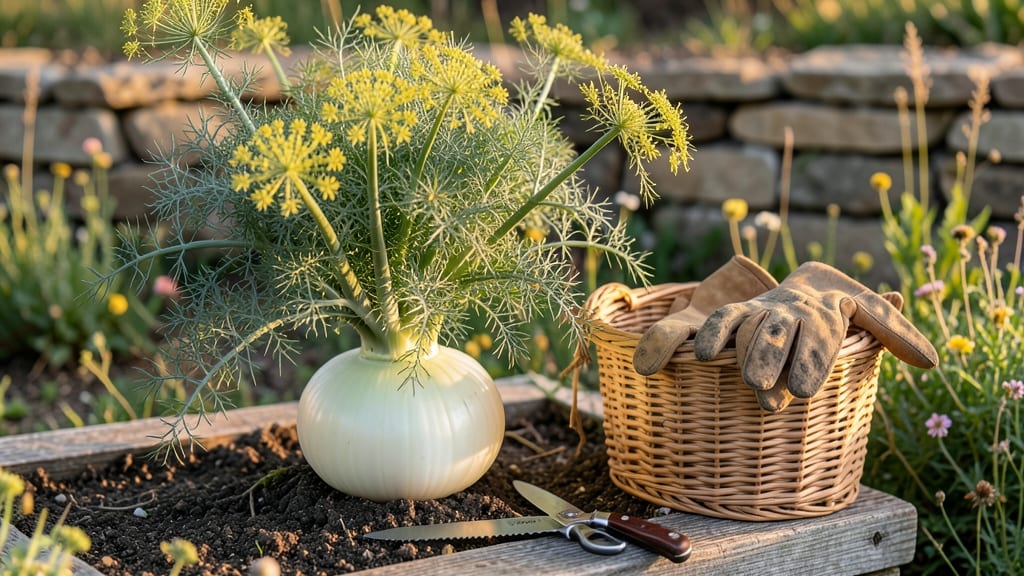
Harvesting fennel at the right time ensures its crisp stalks and sweet, anise-like aroma shine in every dish—but timing is everything.
Picture this: you’ve nurtured your 🌿 fennel all spring, only to pull it too late and end up with a woody, bitter bulb. Or worse, you harvest too early and miss the peak flavor window.
The difference between a restaurant-worthy herb and a disappointing one often comes down to when you harvest.
For bulb fennel, the ideal harvest window is when the base thickens to 3-4 inches in diameter and the outer leaves start yellowing—usually between June and August in most growing zones.
Meanwhile, the feathery fronds can be snipped as needed year-round, but their flavor peaks when fully mature. Miss these cues, and you’ll sacrifice both texture and taste.
Below, I’ll walk you through the exact visual and tactile signs to pick fennel at its prime, plus how to store it for maximum freshness. No more guesswork—just crisp, flavorful fennel every time.


How to identify the perfect harvest time for fennel bulbs
Harvesting fennel at the right time ensures that crisp stalks and sweet anise flavor are at their peak. The bulb fennel variety, often called Florence fennel, is ready when it reaches a 3-4 inch diameter and before it flowers.
Waiting too long causes the bulb to become woody and bitter, ruining its delicate taste. Paying attention to visual and tactile cues is key to timing your harvest perfectly.
Start by checking the bulb size—it should feel firm when gently squeezed. A mature fennel bulb will have a thickened white base that’s about the size of a small onion.
The outer leaves should also begin to yellow slightly at the base, signaling that the plant is shifting energy toward the bulb. Ignoring these signs can lead to an overgrown fennel that’s less flavorful and more fibrous.
Use this summary table to quickly identify the perfect harvest time for fennel bulbs:
| Cue | Description | Action |
|---|---|---|
| Bulb Size | 3-4 inches in diameter | Harvest immediately |
| Base Thickness | Firm and white | Check for readiness |
| Leaf Color | Yellowing at base | Harvest within 2-3 days |
| Stalk Firmness | Crisp and firm | Perfect for harvest |
| Flower Stalk | Visible but not blooming | Harvest before flowering |
One of the easiest ways to determine fennel readiness is by measuring the bulb. Use a ruler or tape measure to check the diameter—if it’s between 3 and 4 inches, it’s time to harvest.
The bulb should also feel solid and heavy for its size, indicating it’s fully developed. If you press gently and the bulb feels soft or spongy, it’s not ready yet and needs more time in the ground.
Don’t overlook the leaf color changes as another key indicator. When the lower leaves begin yellowing, it’s a clear sign that the plant is maturing. This shift in color happens because the plant is redirecting nutrients to the bulb.
If you notice this but the bulb isn’t yet 3-4 inches, give it another 2-3 days before harvesting to ensure full flavor development.
Harvesting fennel at the right time also means avoiding the flowering stage. Once the plant sends up a tall stalk with yellow flowers, the bulb becomes woody and bitter.
The goal is to harvest just before this happens—typically when the flower stalk is visible but not yet open. This timing ensures the bulb remains tender and packed with that signature anise-like sweetness.
To harvest, use a sharp knife or pruning shears to cut the bulb about 1 inch above the soil line. This method prevents damage to the plant and allows for any remaining leaves to continue photosynthesizing.
If you plan to use the feathery fronds (the leafy tops), you can harvest them separately by snipping individual stems as needed throughout the growing season.
After harvesting, store fennel bulbs in the refrigerator for up to 2 weeks or freeze them for longer storage. For the best flavor, use harvested fennel within a few days. If you notice any soft spots or wilting after harvest, it’s a sign the bulb was overripe when picked.
Always aim for that crisp, firm texture for the best culinary results.
Timing your fennel harvest correctly ensures that every bite is filled with that distinctive anise flavor and satisfying crunch. By paying attention to these visual and tactile cues, you’ll avoid the disappointment of a bitter, woody bulb and enjoy fennel at its absolute best.
When to harvest fennel fronds and seeds for maximum flavor
Fennel isn't just about its bulb—its feathery fronds and seeds pack unique flavors that deserve equal attention. While the bulb steals the spotlight, the fronds offer a delicate anise aroma perfect for garnishes, and the seeds deliver a warm, spicy kick.
But timing is everything—harvest too early, and you’ll miss peak flavor; too late, and you risk bitterness or wasted potential.
Unlike bulb fennel, which has a narrow harvest window, fennel fronds and seeds can be harvested at different stages throughout the growing season. The key is knowing when each part reaches its flavor peak. For fronds, you can snip them year-round as needed, while seeds require patience until late summer.
Let’s break down the exact moments to harvest for maximum flavor and how to preserve them for long-term use.
- 1 Harvest fronds when they’re 6-12 inches tall and feathery, typically 3-4 months after planting. Snip individual stems just above a leaf node to encourage regrowth.
- 2 Dry fronds for 1-2 weeks in a well-ventilated area before storing. Bundle stems and hang upside down for easy access to the fluffy, aromatic leaves.
- 3 Wait until late summer (typically August-September) to harvest fennel seeds. Look for brown, papery seed heads that easily crumble when touched.
- 4 Store seeds in an airtight container in a cool, dark place for up to 1 year. Toast them lightly before grinding for maximum flavor.
- 5 Freeze fronds for long-term use by washing, drying, and chopping before storing in airtight bags. They’ll retain their aromatic qualities for up to 6 months.
For fennel fronds, the best time to harvest is when they reach 6-12 inches tall and have fully unfurled. This usually happens 3-4 months after planting, but you can start snipping them as early as 2 months for smaller, more delicate leaves.
The key is to avoid cutting more than one-third of the plant at once to ensure regrowth. Use clean, sharp scissors or pruners to avoid damaging the stems.
If you’re growing fennel for its seeds, patience is key. The seed heads won’t be ready until late summer or early fall, typically 4-5 months after planting. You’ll know they’re ready when the seed pods turn brown and the plant’s feathers begin to dry out.
Harvest them on a dry, sunny day and spread them out in a single layer to dry completely before storing.
Preserving fennel fronds and seeds is easier than you think. For dried fronds, bundle them and hang them upside down in a dark, dry place for 1-2 weeks. Once fully dry, store them in paper bags or airtight containers away from light.
For fresh fronds, wash them gently, pat dry, and store them in the refrigerator for up to 1 week. To freeze fronds, chop them finely and store in airtight containers or freezer bags for up to 6 months.
Fennel seeds can be stored in their whole form for up to 1 year if kept in a cool, dark place. For best flavor, toast them lightly in a dry skillet over low heat for 2-3 minutes before grinding.
This enhances their warm, spicy notes and makes them perfect for homemade spice blends or infused oils.
Don’t let your fennel go to waste—harvest its fronds and seeds at the right time, and you’ll enjoy their unique flavors all year round. Whether you’re using them fresh, dried, or as seeds, timing is everything for maximum flavor and versatility in your garden and kitchen. 🌿✂️🌾