
How To
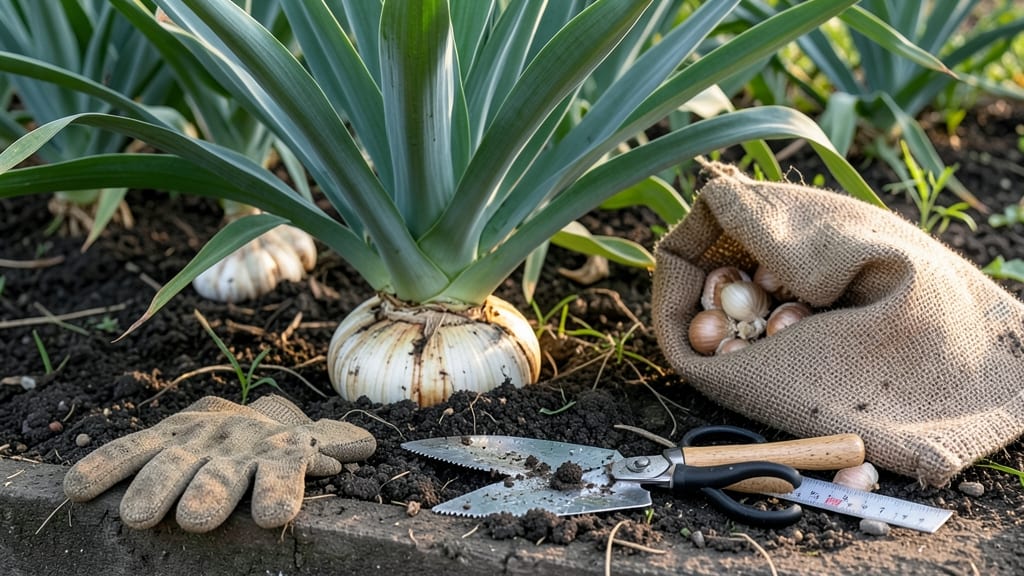
Harvesting elephant garlic at the right time ensures plump, flavorful bulbs 🧄—and missing the window means tough, shriveled cloves that won’t store well.
Picture this: you’ve spent months nurturing your elephant garlic, only to pull it too early and end up with tiny, underdeveloped bulbs—or worse, wait too long and watch them split apart. The difference between a gourmet harvest and a disappointing one comes down to knowing exactly when to dig.
Most gardeners focus on days to maturity, but elephant garlic has its own unique cues: bulb size, leaf color, and even the way cloves separate. In USDA Zone 6a, that window typically falls between late August and early September, but timing shifts with your local climate.
Below, I’ll walk you through the foolproof signs—like the clove separation test and ideal bulb diameter—that guarantee a harvest worth bragging about.
You’ll also discover how to cure and store your bulbs for months, plus the three mistakes that turn a great harvest into a waste. Let’s get those cloves ready for the kitchen!


Elephant garlic harvest timing: the clove separation test explained
Harvesting elephant garlic at the right time ensures maximum flavor and bulb size. Unlike regular garlic, its cloves separate naturally when mature—this is your key signal. Waiting too long can cause flavor deterioration and reduce storage life, while harvesting too early yields small, underdeveloped bulbs.
The clove separation test is the simplest way to check readiness. Gently squeeze the bulb—if the individual cloves separate easily with minimal pressure, it’s harvest-ready. This usually happens when bulbs reach 3–5 inches in diameter, typically in late summer to early fall (August–September in most climates).
| Harvest Indicator | Description | Action |
|---|---|---|
| Clove Separation | Cloves pull apart easily when squeezed | Harvest immediately |
| Bulb Size | 3–5 inches in diameter | Ideal harvest window |
| Leaf Color | Lower leaves turn yellow-brown and dry | Harvest within 1–2 weeks |
| Skin Texture | Tight, papery, and dry | Perfect for curing |
| Overripe Sign | Cloves shrink or skin splits | Flavor declines; harvest too late |
Pay close attention to the lower leaves—they’re the first to signal maturity. When 50% turn yellow-brown and begin dying back, your bulbs are nearing peak ripeness. This usually coincides with clove separation, but don’t wait until leaves are fully brown, or you risk shriveling bulbs.
Soil temperature also plays a role. In cooler climates (USDA Zone 5–6), harvest when daytime temps drop to 70–75°F. Warmer zones (Zone 7+) can wait until late September, but monitor clove separation daily. Pro tip: Dig up one test bulb to check separation—this avoids overharvesting.
If you miss the window, overripe elephant garlic loses its sweet, mellow flavor, becoming pungent and tough. The skin may split, exposing cloves to rot. For storage, cure bulbs in a dry, shaded area for 2–3 weeks before braiding or storing in a cool, dark place.
Proper timing ensures bulbs last 6–8 months without spoiling.
For container gardeners, harvest slightly earlier—bulbs in pots mature 1–2 weeks faster than in-ground plants. Use the same clove separation test, but reduce bulb size expectations to 2.5–3.5 inches due to limited root space. Always harvest on a dry, sunny day to speed drying and prevent disease.
Common mistakes include harvesting when leaves are still green (underripe) or waiting until they’re completely brown (overripe). Aim for that goldilocks zone: 50% leaf browning + easy clove separation. This balance guarantees bulbs that are large, flavorful, and storage-friendly.
Remember, elephant garlic is a perennial in warm climates, so proper harvest timing encourages larger yields next year. Mark your calendar for late August to early September and set reminders to test clove separation weekly during peak harvest season.
Elephant garlic size guide: bulb diameter & clove count for optimal harvest
Harvesting elephant garlic at the right size ensures maximum flavor and storage life. Unlike regular garlic, these bulbs can grow surprisingly large—sometimes 3-5 inches in diameter—but size alone isn’t the only factor.
The number of cloves per bulb also affects taste intensity, with more cloves often meaning a milder, sweeter profile. Aim for bulbs between 3-4 inches for peak quality, as larger bulbs may sacrifice flavor for sheer size.
One of my biggest mistakes was waiting until bulbs reached 5+ inches before harvesting. While they looked impressive, the flavor was noticeably less potent. Elephant garlic develops its best balance of sweetness and pungency when harvested at 3-4 inches, with 6-12 well-formed cloves.
This size range also ensures the bulbs store well through winter.
Here’s how to visually assess readiness: Gently dig up a test bulb and check the clove separation. Ready bulbs will have cloves that are firm but slightly loose from the central stem.
Overripe bulbs will have cloves that fall apart easily, while underripe ones stay tightly clustered. The skin should be dry and papery, not green or loose.
| Stage | Bulb Size | Clove Count | Skin Condition | Harvest Status |
|---|---|---|---|---|
| Underripe | < 2 inches | 3-5 cloves | Green, tight | Not ready |
| Optimal | 3-4 inches | 6-12 cloves | Dry, papery | Harvest now |
| Overripe | 5+ inches | 12+ cloves | Loose, wrinkled | Flavor declines |
Pay attention to the leaf color as a secondary cue. When about 50% of the lower leaves turn yellow and dry, it’s time to harvest. The remaining green leaves provide energy to the bulb, but letting them stay too long leads to overripeness.
I’ve found that harvesting in late summer to early fall (August-September) aligns perfectly with these visual cues in most climates.
For flavor intensity, smaller bulbs (3-4 inches) with fewer cloves (6-8) tend to pack the most punch. Larger bulbs with 10+ cloves often have a milder taste, making them better for storage than immediate cooking.
If you’re growing for culinary use, prioritize size between 3-4 inches—this sweet spot balances yield and taste.
One pro tip: If your elephant garlic bulbs are smaller than expected, check your soil nutrients. A light application of balanced fertilizer (10-10-10) in early summer can boost bulb development without overfeeding. Just avoid fertilizing in the last 4-6 weeks before harvest, as this can reduce flavor quality.