
How To
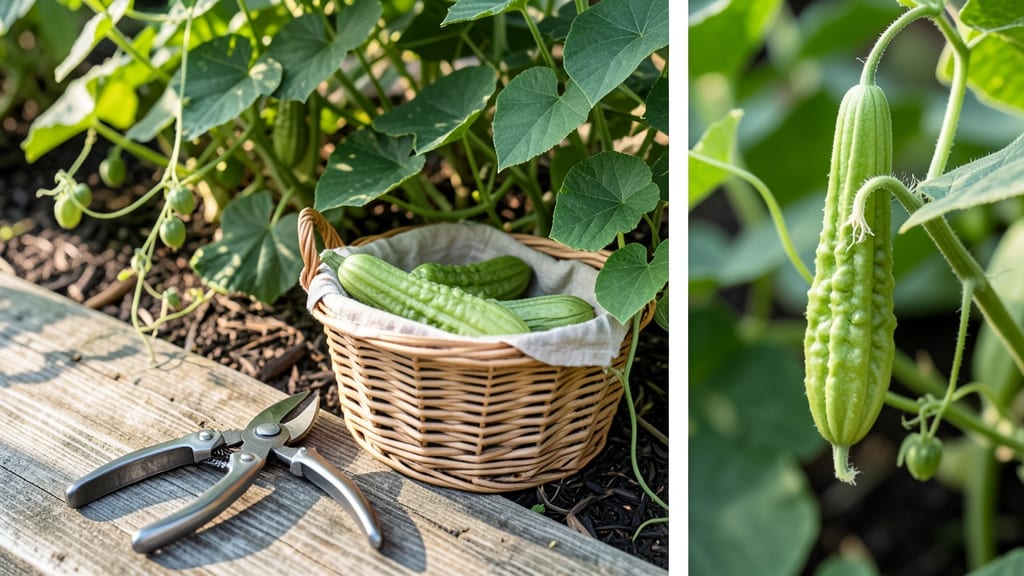
Harvesting cucamelons at the right time means snapping off 1- to 2-inch fruits with a firm, tangy crunch—wait too long, and they turn mealy before your eyes.
I’ve watched my 🥒 cucamelons go from crisp bites to sad, wrinkled blobs in just three days when I missed the window. The difference between perfect and disappointing comes down to size, color, and a simple firmness test.
Here’s how to spot the ideal harvest moment—plus how heat, humidity, and even morning dew can trick you into picking too early (or too late).
You’ll learn the exact cues to look for, how to adjust for your climate, and what to do with your harvest once it’s in hand—because even the best-picked cucamelons won’t last forever.


How to check cucamelon ripeness by size and firmness
Harvesting cucamelons at the perfect moment transforms your garden into a tangy, crunchy treasure trove. These tiny melons—often called mouse melons—are best picked when they’re 1-2 inches long and still firm.
Waiting too long turns them mealy and bitter, while harvesting too early means missing their signature sweet-tart flavor.
I’ve learned the hard way that visual cues and firmness tests are non-negotiable. A cucamelon’s skin should feel slightly waxy, not soft or shriveled, and its color should shift from all green to a mix of green and yellow.
These clues ensure you’re picking them at their peak crispness—just when they’re ready to pop in salads or snacks.
Timing is everything, and the ideal harvest window starts about 60 days after planting. But don’t rely solely on days—always check the fruit’s size, color, and texture first. Even in the same batch, some cucamelons ripen faster than others, so I recommend harvesting every 2-3 days during peak season to avoid missing the window.
Here’s a quick reference to guide your harvest:
Start by measuring your cucamelons with a ruler or by comparing them to your thumb. A ripe cucamelon should be about the size of a grape or slightly larger. If it’s smaller than 1 inch, it’s not ready—let it mature a few more days.
Overripe cucamelons (those larger than 2 inches) lose their crunch and tartness, becoming bland and seedy.
Next, give each fruit a gentle squeeze. A ripe cucamelon should feel firm but slightly yielding, like a ripe avocado. If it’s too soft or mushy, it’s past its prime.
Pro tip: I always harvest in the morning when the fruit is coolest, making it easier to judge firmness accurately.
The color transition is your third clue. Start with solid green cucamelons, but the moment you see yellow patches appear, it’s time to act. These patches indicate sugar development, which boosts flavor.
However, if the entire fruit turns yellow, it’s overripe. I’ve found that partial yellowing correlates with the best taste and texture.
Finally, test for easy detachment. A ripe cucamelon should twist off the vine with minimal resistance. If it resists, it’s not ready yet. Use clean pruning shears or scissors to avoid damaging the plant. Always harvest near the stem to prevent rot and encourage more fruit production.
One common mistake I see is harvesting based on days alone. While cucamelons typically ripen in 60 days, environmental factors like temperature and sunlight can speed up or slow down ripening.
In hotter climates, they may ripen faster, while cooler weather can delay it. Always prioritize visual and tactile checks over calendar dates.
Once you master these cues, you’ll enjoy a steady supply of crisp, tangy cucamelons all season long. Store them in the fridge for up to 5 days to preserve their freshness, or use them immediately in salads, garnishes, or as a snack. Happy harvesting! 🥒
Common mistakes that ruin cucamelon harvest timing
Waiting just a few extra days to harvest cucamelons can transform their signature crisp, tangy bite into a mushy, mealy disappointment. The key lies in understanding how temperature fluctuations and overripe fruit affect their texture and flavor.
Many gardeners unknowingly let these tiny melons linger too long on the vine, sacrificing quality for quantity.
Another frequent mistake is ignoring the climate-specific ripening schedule for cucamelons. In hotter climates, fruits mature faster, while cooler regions may require a more extended harvest window. Without adjusting your schedule, you risk harvesting at the wrong stage, whether too early (underripe) or too late (overripe).
Here’s the critical mistake that turns crisp cucamelons into a mushy mess:
Harvesting Too Late = Mealiness
Cucamelons stop ripening once picked, but leaving them on the vine past 1.5–2 inches causes starch conversion, turning them soft and bland. Temperature spikes (above 85°F) accelerate this process, making timely harvests even more critical in summer.
Temperature plays a surprising role in cucamelon ripening. When daytime highs exceed 85°F, fruits mature 20–30% faster than in cooler 70–75°F conditions. This means your harvest schedule in Arizona should be 2–3 days earlier than in New England, even if the calendar says the same month.
Ignoring this can lead to overripe batches that lose their signature sweet-tart flavor.
For gardeners in shorter growing seasons, the challenge is different: early frosts can cut harvests short. If your last frost date is September 15 (like in Zone 5), prioritize harvesting by mid-August to avoid cold-related mealiness.
Use row covers to extend the season, but never sacrifice ripeness for extra days.
Pro tip: Harvest every 2–3 days during peak production (July–August) to prevent overcrowding on the vine. Overripe cucamelons not only lose flavor but also compete with new growth, reducing your total yield.
Think of it like pruning grapes—consistent harvesting keeps the plant productive and the fruit at its best.
Finally, resist the urge to harvest based on color alone. While yellow-green patches signal ripeness, some varieties (like 'Mexican Sour Gherkin') may stay mostly green. Always check size (1–2 inches) and firmness—a ripe cucamelon should squeeze slightly but not dent under gentle pressure.
When in doubt, harvest smaller and enjoy the brightest flavor.