
Vegetables
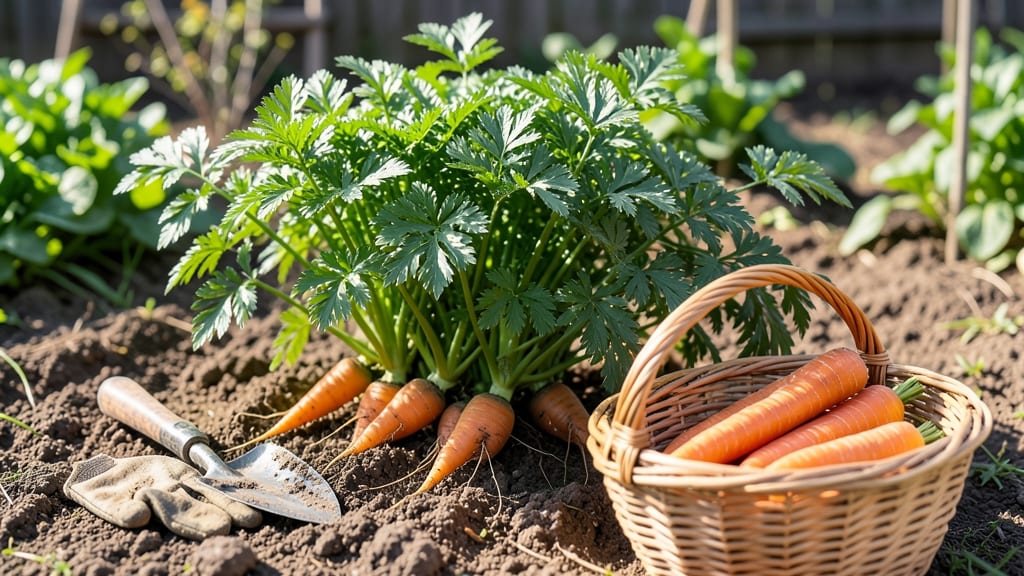
Harvest carrots when they reach 3-8 inches in length and the tops are 6-12 inches tall, depending on the variety you're growing 🥕 — this is the sweet spot for peak flavor and texture.
Picture this: you’ve spent weeks nurturing your crisp orange roots, only to pull them too early and end up with starchy, underdeveloped carrots. Or worse, you wait too long and they turn woody, ruining that garden-fresh taste you’ve been dreaming of.
Timing isn’t just about days on the calendar—it’s about soil resistance, leaf color, and even the weather. A simple finger test or a quick leaf check can tell you exactly when your carrots are ready, saving you from the frustration of a less-than-perfect harvest.
In this guide, I’ll walk you through the foolproof methods to determine the perfect moment to pull your carrots, plus tips for storing them so they stay fresh and delicious for weeks.


How to test carrot soil for perfect harvest timing
Knowing when to harvest carrots isn't just about counting days—it's about reading your soil and plants like a pro. The finger test and leaf check methods reveal whether your carrots are ready for the table or still growing.
These simple techniques help you avoid starchy, underripe or woody, overmature roots that ruin flavor and texture. Let's dig into the science behind these tests so you can pull carrots at their sweetest peak.
First, understand that carrot maturity depends on both days to harvest (typically 60-80 days) and soil conditions. Cool temperatures and loose soil speed up growth, while hot weather or compacted soil slow it down.
The finger test checks soil resistance, while the leaf check evaluates plant health—both critical for timing your harvest perfectly.
Step-by-Step Carrot Harvest Test
- 1 Check leaf size: Mature carrot tops should reach 6-12 inches tall. If leaves are under 6 inches, wait 5-7 more days.
- 2 Perform the finger test: Gently push your thumbnail into the soil near the plant. If the soil resists slightly (like firm butter), roots are ready. If it's too loose, wait 3-5 days.
- 3 Inspect stem color: A yellow or brown stem end (where leaves meet the root) signals maturity. Green stems mean more growth time is needed.
- 4 Test root size: For standard carrots, aim for 3-8 inches in length. Baby carrots should be 2-3 inches. Measure a few samples to confirm consistency.
- 5 Verify color depth: Mature carrots develop a deep, uniform color (orange, purple, or yellow). Pale or uneven hues indicate poor soil nutrients or underripeness.
🌱 Pro Tip: Harvest on a cool morning after light watering for easiest extraction and longest storage life.
Temperature plays a surprising role in carrot harvest timing. Ideal growing conditions include 55-75°F soil temperatures. If your region experiences hot summer heat (above 80°F), carrots may bolt or develop woody textures.
In these cases, prioritize the finger test over days-to-maturity charts, as heat accelerates growth. Conversely, cool spring or fall conditions slow development, so extend your harvest window by 1-2 weeks.
Don't overlook the soil type when testing for harvest readiness. Carrots thrive in loose, sandy loam that resists compaction. If your soil feels rocky or clay-heavy, roots may develop forked shapes or grow unevenly.
In these cases, rely more on leaf size and stem color than soil resistance, as physical barriers can distort root development. Amend compacted soil with compost or perlite before planting for better results.
For baby carrots (harvested at 2-3 inches), focus on the leaf check method exclusively. These varieties mature faster (45-55 days) and require thinner spacing (1 inch apart). Use a hand trowel to gently lift soil and check root size without disturbing neighboring plants.
Baby carrots pulled too early taste mild and grassy, while those left too long develop bitter, fibrous textures.
Seasonal timing affects harvest windows dramatically. Spring-planted carrots (March-April) often reach maturity by late June, while fall-planted varieties (July-August) may not be ready until October-November.
Use your last frost date as a guide: aim to harvest before first frost (around October 31 in Zone 6a), as freezing temperatures turn carrots soft and mealy. For extended harvests, choose slow-maturing varieties like 'Danvers' (80 days) over fast varieties like 'Paris Market' (50 days).
One common mistake is over-relying on days-to-maturity without checking soil conditions. A 70-day variety planted in cool, moist soil may need 80 days, while the same variety in hot, dry conditions could mature in 60 days.
Always combine calendar tracking with physical tests for accuracy. Keep a harvest journal to note your local variations—this helps refine timing for future seasons.
After confirming harvest readiness, use a hand fork or garden spade to loosen soil around roots before pulling. This prevents forked or broken carrots. Shake off excess dirt and
Even the most patient gardeners can ruin their carrot harvest with simple timing mistakes. Pulling too early gives you starchy, underdeveloped roots that lack sweetness, while waiting too long turns them woody and tough. These errors aren't just about taste—they also shorten storage life and waste your hard work in the garden. I've learned the hard way that soil conditions and plant maturity are equally important. Overcrowded plants compete for nutrients, leading to smaller, misshapen carrots. Meanwhile, inconsistent watering or heavy clay soil can delay maturity, making roots tough and fibrous by harvest time. ⚠️ callout warning ⚠️
Pulling carrots at the wrong time ruins flavor and texture. Here's what to avoid: Pro Tip: Check maturity by gently tugging—roots should pull easily when fully grown. One of the biggest mistakes I see is ignoring leaf growth. Healthy carrot tops should be 6-12 inches tall with deep green leaves. If your plants look leggy or yellowing, they're either underwatered or overcrowded. Both conditions stress the plant and delay root development. Don't assume all carrots mature at the same time. Fast-maturing varieties like 'Paris Market' (ready in 50 days) need early harvesting, while heirlooms like 'Danvers' can wait until 80 days. Mixing varieties in one bed often means staggered harvests—plan accordingly to avoid confusion. Storage life suffers when carrots are harvested with damaged roots or excess foliage. Always trim leaves to 1 inch above the root and cure them in the sun for 1-2 hours before storing. This simple step extends freshness from 2 weeks to 3 months in cool, dark conditions. For the sweetest flavor, harvest in the morning after watering. The soil stays moist, making roots easier to pull cleanly. And if you're growing for storage, aim to harvest before the first frost—woody texture develops faster in cold weather, ruining both taste and storage potential.Carrot harvesting mistakes that ruin flavor and storage life