
Flowers
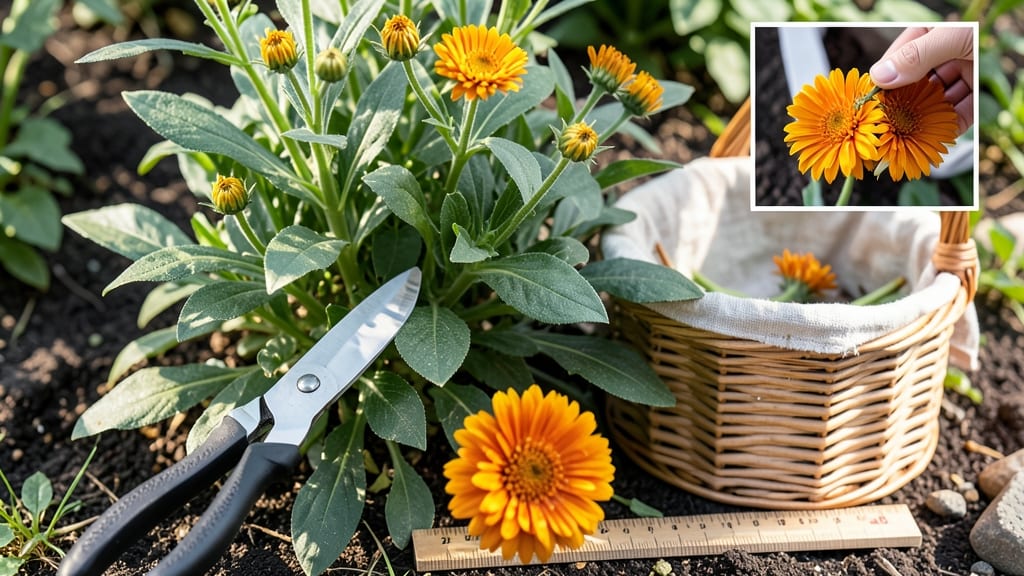
Harvesting calendula flowers at the right time ensures vibrant petals and maximum potency for edible, dried, or ornamental use.
Picture this: you’ve nurtured your 🌼 calendula all season, and now the blooms are opening—yet you’re not sure if they’re quite ready. Miss the window, and you’ll end up with wilted petals or bitter flavors.
Get it right, and you’ll unlock the full potential of your harvest, whether for salads, teas, or bouquets.
The key is watching for two simple cues: petals that shift from bright orange to a rich, consistent hue, and stems that bend slightly without snapping. These signs tell you the flowers are at their peak, packed with flavor and healing properties.
Timing also matters—morning harvests yield the freshest blooms, while afternoon cuts work best for drying.
In this guide, I’ll walk you through the exact moments to harvest, how to extend your season, and even a pro trick to test stem readiness. By the end, you’ll know exactly when to snip for the best results—every time.


How to identify calendula flowers ready for harvest by petal color
Calendula flowers are a gardener’s treasure, prized for their vibrant colors and medicinal properties. But knowing when to harvest calendula flowers can be tricky—especially when relying on petal color alone. The shift from bright orange to pale yellow signals maturity, but timing matters for both ornamental and culinary use.
Let’s break down how to read these color cues like a pro.
Freshly opened calendula blooms start with deep orange or golden-yellow petals, but as they age, the edges fade to a softer hue. The center disk also changes—from green to brown—marking the end of peak harvest time.
Understanding these shifts ensures you pick flowers at their most potent and visually stunning stage. Seasonal variations can also affect color intensity, so let’s explore how to adapt your approach.
| Petal Color Stage | Harvest Readiness | Center Disk Condition | Best For |
|---|---|---|---|
| Bright Orange/Golden | ✅ Optimal harvest | Green or just turning brown | Fresh bouquets, edible petals |
| Soft Yellow Edges | ⚠️ Still usable (but fading) | Brown but not brittle | Drying for teas, potpourri |
| Pale Yellow/White | ❌ Avoid harvest | Dry, brittle, or seed-filled | Compost or leave on plant |
| Uneven Colors | ❌ Not ready | Partially green | Wait 2-3 days |
Spring-planted calendula often matures faster due to longer daylight hours, while fall blooms may develop slower in cooler weather. If you notice pale petals in summer heat, it could signal stress—water deeply and harvest earlier in the day to preserve color vibrancy.
For edible use, prioritize flowers with the richest hues, as these contain the highest levels of beneficial compounds.
Pro tip: Compare multiple blooms on the same plant. Color consistency across petals is a key indicator of readiness. If one flower is deep orange while another is fading, harvest the vibrant one first.
This staggered approach extends your harvest window and keeps your calendula plants productive. Always use clean, sharp scissors to avoid damaging stems.
Seasonal variations also play a role. In early summer, calendula blooms may mature faster due to warmth, while late-season flowers in fall might take longer to reach peak color.
Pay attention to your local climate—humid regions can cause petals to fade quicker, while dry areas may preserve color longer. Adjust your harvest schedule accordingly to maximize yield.
For drying calendula, harvest when petals are fully open but before they fade to yellow. Hang bundles upside down in a dark, well-ventilated space for 1-2 weeks. The drying process intensifies the color, making them ideal for homemade remedies or decorative arrangements.
If you’re harvesting for culinary use, opt for the brightest orange blooms—they pack the most flavor and medicinal benefits.
One common mistake is harvesting too late, which results in brittle stems and dull petals. Always check the stem’s flexibility—if it snaps easily when bent, it’s ready. Overharvesting can stress the plant, so leave at least 3-4 leaves per stem to encourage regrowth.
This simple habit ensures your calendula keeps producing vibrant blooms all season long.
Finally, document your observations. Note the exact color shifts in your garden journal, along with weather conditions and harvest dates. Over time, you’ll recognize patterns unique to your climate and soil. This knowledge becomes invaluable for future seasons, helping you predict the best harvest windows with confidence.
The stem flex test: a pro gardener’s trick for perfect harvest timing
Harvesting calendula at the right moment ensures vibrant petals and maximum potency. One of my favorite tricks is the stem flex test—a simple way to check if flowers are ready without guessing. This method helps avoid overharvesting while keeping your plants healthy and productive.
Here’s how it works: when you gently bend a calendula stem, the flexibility tells you whether the flower is at its peak. A stem that bends slightly but doesn’t snap is a sign of maturity.
Overly stiff stems mean the flower isn’t ready yet, while stems that break too easily indicate it’s past its prime.
This test is especially useful for edible calendula or when drying flowers, as it ensures you’re capturing the flower’s highest concentration of beneficial compounds. It also helps maintain plant health by preventing you from harvesting too aggressively.
- Select a fully open calendula flower with vibrant petals and a well-formed center disk.
- Gently grasp the stem about 2 inches below the flower head using your thumb and forefinger.
- Apply light pressure and bend the stem slightly—it should flex but not snap immediately.
- If the stem bends easily (like fresh celery), it’s ready for harvest.
- If the stem resists bending or snaps too easily, wait 1-2 days before testing again.
Timing is crucial because calendula flowers can quickly transition from peak freshness to wilting. Harvesting at the right stage ensures your petals stay vibrant longer, whether you’re using them for culinary infusions, herbal remedies, or decorative arrangements.
After harvesting, always use clean, sharp scissors to avoid damaging the plant. Cut stems at a 45-degree angle just above a leaf node to encourage new growth. This practice not only keeps your calendula plants thriving but also extends your harvest season.
Pro tip: Pair the stem flex test with morning harvests for the freshest petals. Early morning blooms are fully hydrated and packed with the most beneficial compounds, making them ideal for drying or using fresh.