
Vegetables
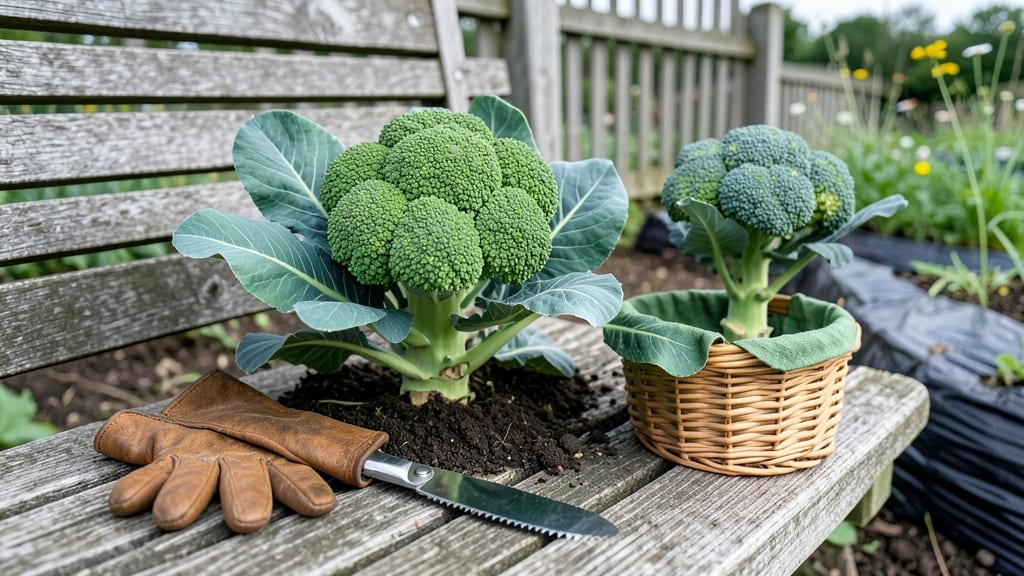
Harvest broccoli when the main head reaches 4-6 inches and florets stay tightly packed—this is the sweet spot for flavor and texture.
Picking too early means small, underdeveloped crowns, while waiting too long turns them bitter and woody. I’ve learned that the difference between a perfectly tender 🥦 and a tough, yellowing mess comes down to timing—and these three key signs won’t steer you wrong.
Whether you’re in Zone 6a or a warmer region, the same rules apply: watch for deep green color, a firm stem, and the right size. Miss these cues, and you’ll either waste a harvest or leave money on the table from missed side shoots.
Below, I’ll show you exactly how to check readiness without damaging the plant, plus how to keep your broccoli producing for weeks after the first pick.


3 Visual signs your broccoli crowns are perfectly ripe
Harvesting broccoli at the right moment transforms your garden into a florets goldmine. The difference between crisp, sweet perfectly ripe crowns and tough, bitter heads comes down to timing.
I’ve learned that missing these visual cues means sacrificing flavor and yield—so let’s dive into what your broccoli is really telling you.
Most gardeners wait too long, letting heads yellow and florets spread apart. But the ideal harvest window is narrow—just a few days—and it’s marked by three unmistakable signs.
Mastering these will ensure you’re always picking broccoli at its peak, whether you’re growing Calabrese, Purple Sprouting, or Romanesco varieties.
Pro Tip: Harvest in the morning after dew has dried. This gives you the freshest flavor and keeps your broccoli crowns crisp for storage or cooking.
- 1 Head Size: The crown should be 4-6 inches wide and tightly packed. If it’s smaller than a golf ball, give it more time. If it’s larger, you’ve waited too long—florets will loosen and turn bitter.
- 2 Color: Look for deep, vibrant green florets. Pale or yellowing buds mean the head is overripe. Purple varieties should have a rich, deep purple hue—never dull or brown.
- 3 Stem Texture: Gently bend the stem near the base. If it snaps cleanly, it’s ready. A woody or resistant stem means it needs more time. Never pull—always cut with a sharp knife to avoid damaging the plant.
Here’s what happens if you ignore these signs: Overripe broccoli develops yellow florets and a woody stem, while underripe heads stay small and loose. I once missed the window on my Romanesco and ended up with heads that looked like overcooked artichokes—hardly worth the effort!
After harvesting the main crown, don’t toss the plant! Broccoli often produces side shoots (also called secondary heads) for weeks afterward. Watch for small buds forming in the leaf axils—these are your next harvest opportunities. Just repeat the same size and color checks to ensure they’re ready.
One common mistake I see is harvesting broccoli after it starts flowering. Those tiny yellow flowers mean the plant is shifting energy to seed production, and the florets become bitter and fibrous. Always prioritize the three key signs over guessing by days since planting.
For container growers, timing is even trickier because heat stress can speed up maturity. Keep an eye on your broccoli’s growth rate—if it’s bolting (sending up a tall flower stalk) before forming a head, your plant is too hot.
Provide afternoon shade in Zones 8-10 to extend the harvest window.
Finally, store harvested broccoli in the crisper drawer of your fridge for up to a week. For longer storage, blanch and freeze the florets—this preserves their bright green color and sweet flavor. But nothing beats picking at peak ripeness!
How to check broccoli readiness without damaging the plant
Harvesting broccoli at the perfect moment means firm, flavorful florets without sacrificing future side shoots. The key is testing readiness gently—no need to yank or cut prematurely. I’ve learned that a light touch and simple visual checks reveal everything you need to know.
Start by inspecting the head’s size and color, then confirm with a quick stem test that won’t harm the plant.
Most gardeners focus on the main crown first, but the real trick is checking for side shoot potential. A well-timed harvest leaves the plant strong enough to produce 3-5 additional florets over weeks.
I’ve seen broccoli plants yield 10 pounds total from a single harvest cycle when managed this way. The secret? Knowing exactly when to pluck the main head without stressing the stem.
Next, examine the stem’s texture near the base. A ready-for-harvest stem should feel slightly woody but flexible. If it bends easily with a clean snap, you’ve timed it right. I once waited too long and the stem turned fibrous and bitter—a mistake I won’t repeat!
For dwarf varieties, check stems at 12-18 inches tall, while standard types need 24+ inches of sturdy growth before harvest.
Watch for color changes too. The florets should be deep green with no yellowing, even on the undersides. Tiny yellow buds mean it’s overripe and past its prime. I’ve found that harvesting in the morning (when temps are cool) preserves freshness longer.
Store harvested heads in the crisper drawer for up to 5 days, but eat them within 2-3 days for peak flavor.
After cutting the main head, water deeply and add a balanced fertilizer (like 10-10-10) to support side shoots. Within 2-3 weeks, new florets will form at the leaf axils.
These secondary harvests are often smaller but just as tasty. I’ve extended my broccoli season by 4-6 weeks using this method, even in Zone 6 with early frosts.
Remember: Patience pays off. Rushing harvests leads to bitter, woody florets, while waiting too long wastes potential. With these gentle tests, you’ll maximize yield without damaging your plant—just like a pro. Now go check those crowns! ✂️