
How To
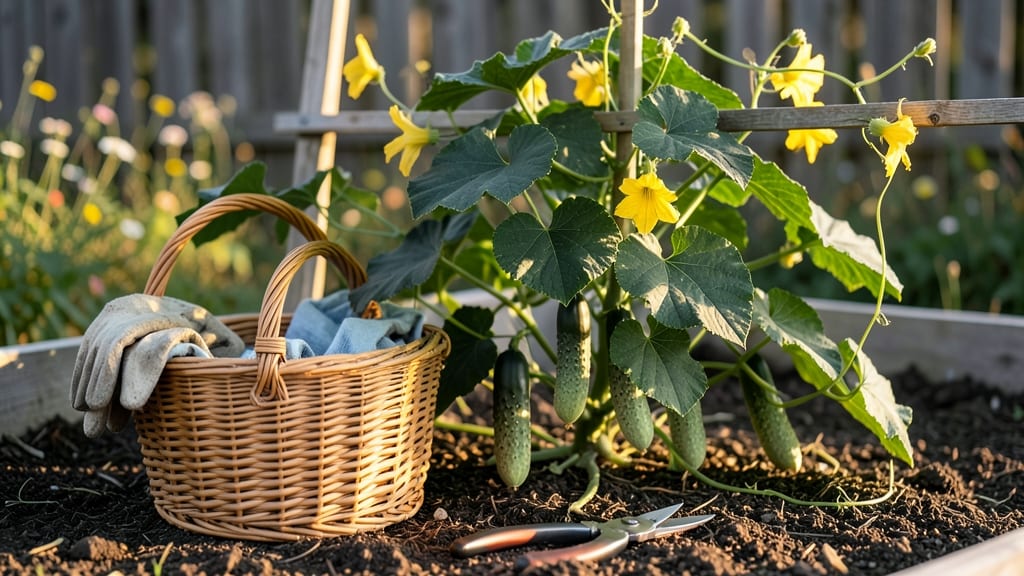
Harvesting Boston pickling cucumbers 🥒 at the right time means the difference between crisp, tangy bites and rubbery, seedy disappointment.
Picture this: you’ve been watching your vines every morning, fingers crossed for that perfect moment—then you miss it by a day or two. Suddenly, those tiny gems turn into oversized, seedy monsters that scream "pickle failure" instead of "crunchy delight."
Timing is everything with these cucumbers, and they won’t wait forever.
The ideal window is 50–60 days after planting, but if you’re new to growing them, you might wonder: How do I know when they’re truly ready? The answer lies in three simple tactile tests—size, texture, and color—that will save your harvest from becoming a mushy mess.
Below, I’ll walk you through the exact cues to look for, how to adjust for hot or cool weather, and why checking the stem is the most important step you might be skipping. No more guesswork, just perfect pickling cucumbers every time.


3 Tactile tests to determine perfect Boston pickling cucumber harvest time
Boston pickling cucumbers are all about timing—harvest too early, and you’ll end up with bland, underdeveloped fruits. Wait too long, and they’ll turn into seedy, rubbery monsters that scream "supermarket reject." The secret? Using your eyes, fingers, and even your nose to test for peak ripeness.
These cucumbers thrive on consistent attention, so let’s break down the three foolproof tactile tests that’ll have you picking crisp, tangy gems every time.
First, understand that Boston pickling cucumbers are bred for small size and tenderness. Unlike slicing varieties, they’re meant to be harvested at 1.5–3 inches long—any longer, and they’ll start developing hard seeds and bitter flavors.
The key is to check them every 2–3 days once they begin flowering, because these cucumbers grow fast when conditions are right (think warm sun, consistent water, and rich soil).
Here’s where the magic happens: your senses. These aren’t just visual plants—they’re textural and olfactory experiences. A perfect Boston pickling cucumber should feel like a tiny, firm water balloon with a slight give when pressed.
The skin should be smooth and glossy, not bumpy or waxy, and the stem should snap cleanly when you gently twist it. Miss these cues, and you’ll either end up with bland nubs or overgrown disappointments.
🌱 3 Tactile Tests for Perfect Boston Pickling Cucumbers
-
Test #1: The Size Check
Harvest when cucumbers reach 1.5–3 inches long and 1–1.5 inches in diameter. Use a ruler or compare to your thumb—if it’s longer than your forefinger to middle finger, it’s past prime. -
Test #2: The Finger Press
Gently press the cucumber—it should yield slightly (like a ripe peach) but not feel mushy. If it’s rock-hard, it’s underripe; if it’s soft or dented, it’s overripe. -
Test #3: The Stem Snap
Twist the cucumber’s stem—it should break cleanly with minimal resistance. If it resists or tears, the cucumber isn’t ready. This also prevents damage to the vine.
Pro Tip: Harvest in the morning when cucumbers are cool and crisp. Avoid picking after a hot afternoon, as they’ll feel softer and overripe.
Let’s talk about color cues, because while Boston pickling cucumbers are always green, their shade and shine matter. A perfect specimen will have a vibrant, even green hue with a glossy finish, almost like it’s been lightly dusted with rain.
If the color is pale or splotchy, it’s not ready. And if you see yellowing or brown spots, it’s a sign of overripeness or disease, and you’ve waited too long.
Texture is where many gardeners trip up. An underripe cucumber will feel tough and waxy, almost like a plastic toy. On the flip side, an overripe one will be dentable or spongy, with a grainy texture when you run your thumb over it.
The goal is that just-right firmness—like biting into a cool, crisp apple. If you’re unsure, slice one open: the flesh should be thin, pale green, and seedless.
Don’t overlook the stem and vine. When a Boston pickling cucumber is ready, its stem will detach easily from the vine with a clean snap. This isn’t just about ease—it’s about preserving the plant’s energy.
If you tug and the cucumber resists or tears the vine, it’s not ready. Plus, leaving the stem attached can lead to rot or fungal issues as moisture gets trapped. Always harvest by twisting gently at the base.
Environmental factors can throw off your timing. In hot, dry climates, cucumbers grow faster and may need harvesting every 1–2 days. In cooler, wetter conditions, they’ll mature more slowly, so check them every 3–4 days.
If you’re growing in containers, they’ll also ripen quicker due to limited root space. Pay attention to your local weather patterns—if temperatures soar above 90°F, your cucumbers might develop bitterness faster, so harvest even earlier.
One of the biggest mistakes I see is waiting for cucumbers to "get bigger". Many gardeners assume that larger = better, but with Boston pickling varieties, smaller is always better. The moment a cucumber starts developing bumps or ridges, it’s past its prime.
These aren’t just cosmetic issues—they’re a sign of starch buildup and seed development, which turns your crisp pickles into chewy, seedy disappointments.
If you’ve already missed the window, don’t despair: these cucumbers can still be used for fermenting or cooking, but they won’t have that fresh, tangy crunch you crave.
For the best results, make harvesting a habit. Set a reminder to check your plants every 2–3 days during peak season (typically June–August in most climates). Keep a small basket or bucket nearby so you don’t forget your freshly picked gems.
And if you’re feeling ambitious, try training your vines to grow vertically—this makes harvesting easier and keeps cucumbers off the damp soil, reducing rot risk.
Remember, the earlier you harvest, the more your plant will produce. Boston pickling cucumbers are prolific when given the right care, so the more you pick, the more you’ll get. Think of it like pruning a tomato plant: removing the ripe fruits encourages new growth.
With these tactile tests in your toolkit, you’ll never again wonder, "Are my cucumbers ready?" Instead, you’ll know exactly when to snip, ensuring a season of crisp,
Size matters: ideal length and diameter for peak flavor and texture
Boston pickling cucumbers are all about precision—harvest them too early, and you’ll get bland, underdeveloped fruits. Too late, and they’ll turn seedy, bitter, and mealy. The sweet spot for these cucumbers is when they measure between 1.5–3 inches long and 1–2 inches in diameter.
This range ensures that perfect crunchy texture and seedless interior that makes them ideal for pickling.
Think of it like baking a cake: timing and size matter. For Boston pickling cucumbers, the ideal length is crucial because it directly impacts flavor and texture.
When they’re too small, they lack the full development needed for that crisp bite, while oversized cucumbers develop larger seeds and a tougher skin. Aim for 2 inches long as your target for the best balance.
Here’s the key: harvest frequency is just as important as size. These cucumbers grow quickly, so check your plants every 2–3 days during peak production. The more consistently you pick them at the right size, the more your plants will produce.
If you let them linger on the vine, they’ll start to develop bumpy skin and bitter compounds, ruining their pickling potential.
| Harvest Stage | Size Criteria | Texture & Color | Climate Adjustments |
|---|---|---|---|
| Early Harvest | < 1.5 inches | Tender but bland | Cool climates: wait 1–2 days |
| Ideal Harvest | 1.5–3 inches | Crisp, firm, bright green | Hot climates: harvest sooner (1.5–2 inches) |
| Late Harvest | > 3 inches | Mealy, seedy, bitter | Dry climates: reduce water to slow growth |
Climate plays a surprisingly big role in determining the perfect harvest size. In hot, dry climates, cucumbers grow faster and may need harvesting at 1.5–2 inches to avoid bitterness. Conversely, in cooler regions, you can afford to wait until they reach 2.5–3 inches without sacrificing quality.
Always adjust based on your local growing conditions—observe your plants and tweak your timing accordingly.
One pro tip: use a small ruler or measuring tape while harvesting to ensure consistency. I like to keep one handy in my gardening tool belt so I can quickly check sizes without missing the harvest window.
If you’re pickling, consistency in size also means more uniform jars—no one wants a pickle jar with a mix of tiny and giant cucumbers!
Remember, the goal is crisp, seedless perfection. When you nail the size, you’ll end up with cucumbers that are ideal for pickling, slicing, or snacking straight from the garden.
And trust me, there’s nothing quite like the satisfaction of biting into a perfectly harvested Boston pickling cucumber—crunchy, tangy, and just right. 🥒