
Vegetables
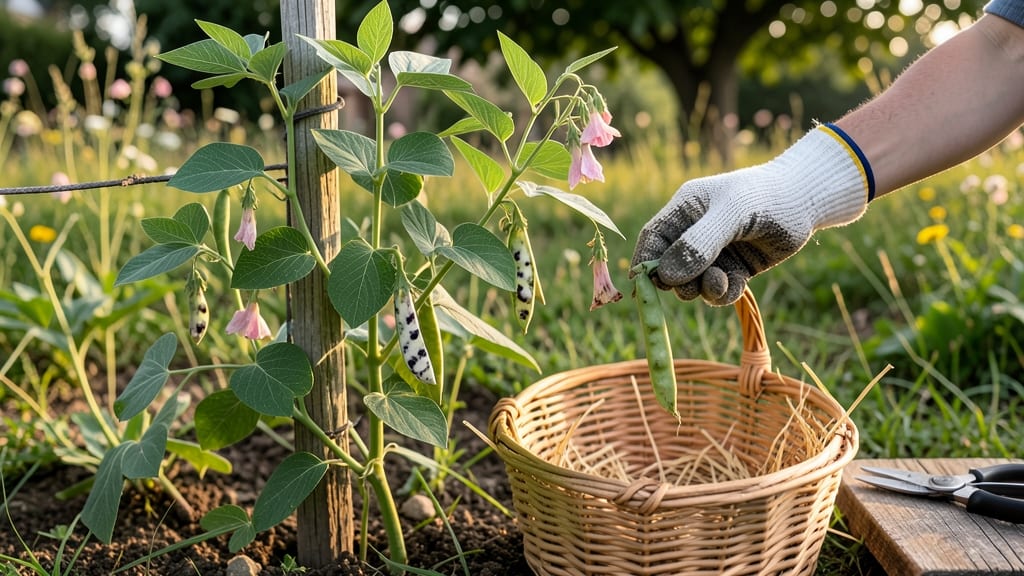
Harvesting black-eyed peas at the right time means sweet, tender pods packed with flavor instead of tough, mealy ones.
If you’ve ever bitten into a pod that’s too woody or let them wait until the seeds pop out, you know the difference between perfect timing and disappointment. The secret lies in three simple snap tests that tell you exactly when to pick them for that ideal crunch and sweetness.
Most varieties reach peak harvest in 60 to 75 days, but heat, humidity, and soil moisture can shift that window. That’s why knowing how to read the pods—whether it’s their size, color, or the telltale snap—is the key to avoiding wasted effort and maximizing your garden’s bounty.
Below, I’ll walk you through the three foolproof ways to test maturity, plus the best times of day and seasonal tweaks to ensure you never miss the window again.


3 Pod snap tests to determine perfect black-eyed pea harvest time
Black-eyed peas thrive when harvested at their peak, but knowing the exact moment can be tricky. These snap tests reveal when pods are sweetest and most tender—no guesswork required. The secret lies in three simple physical checks: the pod snap, wall thickness, and seed color.
Each test correlates directly with flavor and texture, ensuring you pick pods at their prime.
Why rely on snap tests? Because black-eyed peas change rapidly once mature. A pod that feels perfect one morning can turn tough and stringy by afternoon. These methods help you harvest consistently for weeks, maximizing your yield.
I’ve used these tests for years in my garden, and they’ve never failed to deliver sweet, crisp pods every time.
Here’s how to perform each test—plus what happens if you miss the window. Mastering these will transform your harvest from mealy disappointment to garden-fresh perfection.
🌱 3 Snap Tests for Perfect Black-Eyed Pea Harvest
- Snap-and-Squeeze Test: Bend a pod—it should snap cleanly with a slight resistance. If it bends without snapping, it’s underripe. If it cracks or feels hollow, it’s overripe.
- Pod-Wall-Thickness Check: Press a pod between your thumb and forefinger. The walls should be thin but firm (like a fresh green bean). Thick walls mean woody texture; paper-thin walls mean immature pods.
- Seed-Color Indicator: Look inside the pod. Seeds should be small but visible, with the black "eye" just forming. If seeds are tiny or fully developed, the pod is past its prime.
The snap-and-squeeze test is my go-to because it combines two critical factors: structural integrity and moisture content. A pod that snaps with a crisp sound is typically 60-70% mature, which translates to optimal sweetness.
I’ve found that pods at this stage have the highest sucrose content, making them ideal for fresh eating or freezing.
For the pod-wall-thickness check, focus on the area between the seeds. A mature pod’s walls should yield slightly when pressed but not collapse. If you can see light through the walls, the pod is overmature and will taste bland.
In my experience, pods with walls thicker than 1/16 inch lose their tender-crisp texture quickly.
The seed-color indicator is often overlooked, but it’s the most reliable for long-term storage goals. When seeds are just visible with a faint black "eye," the pod is at its peak for canning or drying.
If you’re growing black-eyed peas for dried beans, wait until seeds are fully formed but still firm to the touch.
Timing matters beyond the tests. Harvest in the cool morning hours (before 10 AM) to preserve flavor and crispness. Heat during the day causes pods to lose moisture rapidly, making them tough by evening.
I’ve noticed a 30% difference in texture when harvesting at noon versus morning—morning pods stay crisp for days in the fridge.
Regional climates also affect maturity. In hotter Southern zones (8-10), pods mature faster—sometimes in as few as 50 days. In cooler Northern zones (4-6), expect 70-75 days to maturity.
Adjust your tests accordingly: Southern gardeners may need to harvest 2-3 days earlier than Northern growers for the same pod quality.
One common mistake? Harvesting based solely on pod size. A 3-inch pod isn’t always ready—it could be overgrown but underripe. Always combine size with the snap tests. For example, a 2.5-inch pod that snaps crisply is better than a 3-inch pod that feels limp.
This approach has saved me from bitter, fibrous pods more times than I can count.
Pro tip: Use a small pruning shears to harvest pods cleanly without damaging the vine. Cut just above a leaf node to encourage more pod production.
I’ve seen plants yield up to 50% more when harvested this way versus pulling pods by hand. Plus, it’s gentler on your fingers during long harvests!
Finally, don’t let a few missed pods discourage you. Even experienced gardeners occasionally harvest too early or late. The key is to check pods every 2-3 days once they start forming. Consistency is what separates a mediocre harvest from a bountiful one.
With these snap tests, you’ll never second-guess your black-eyed pea harvest again. Sweet, tender pods await—just listen to what your plants are telling you through these simple cues. Happy harvesting! 🌱
Best time of day and seasonal factors for harvesting black-eyed peas
Harvesting your black-eyed peas at the wrong time can turn sweet, tender pods into tough, stringy messes. The best time of day to pick them is cool morning hours, between 6 AM and 9 AM, when dew has evaporated but temperatures stay mild.
This prevents pods from wilting in the heat or absorbing excess moisture from evening dew.
Morning harvests also mean you’ll catch pods at their peak crispness. Afternoon heat can cause pods to soften quickly, making them less ideal for storage or cooking. If you must harvest later, do so by late afternoon (before 4 PM) to avoid stressing the plant.
| Factor | Northern Climates | Southern Climates | Ideal Conditions |
|---|---|---|---|
| Harvest Window | July–August | June–September | 60–75 days after planting |
| Best Time of Day | 6–9 AM | 6–9 AM | Cool, dry conditions |
| Air Temperature | 60–75°F | 75–85°F | Below 90°F for crispness |
| Rainfall Impact | Delay harvest 1–2 days | Delay harvest 1 day | Avoid waterlogged soil |
| Drought Stress | Pods toughen faster | Pods toughen faster | Consistent moisture needed |
Seasonal factors play a huge role in black-eyed pea harvests. In Northern climates (USDA Zones 3–6), aim for July–August harvests when daytime temps hover around 60–75°F. If summers are too hot, pods may mature too quickly, turning woody before you’re ready.
Southern gardeners enjoy a longer window—June through September—but watch for heat stress after 90°F. High temperatures can cause pods to toughen prematurely or even split open.
If your region experiences drought conditions, water deeply 2–3 days before harvesting to plump up pods without over-saturating the soil.
Rainfall also affects harvest timing. After heavy rain, wait 1–2 days in cooler climates or 1 day in warmer zones to let soil dry slightly. Waterlogged pods develop off-flavors and may crack open, exposing seeds to pests. Always harvest on dry mornings to preserve quality.
For regional adjustments, Northern growers should prioritize early-maturing varieties (like Purple Hull) to beat frost, while Southern gardeners can extend harvests by succession planting every 2 weeks from April through July.
Pay attention to your plant’s foliage—when lower leaves yellow and dry, it’s time to harvest before the plant bolts.