
How To
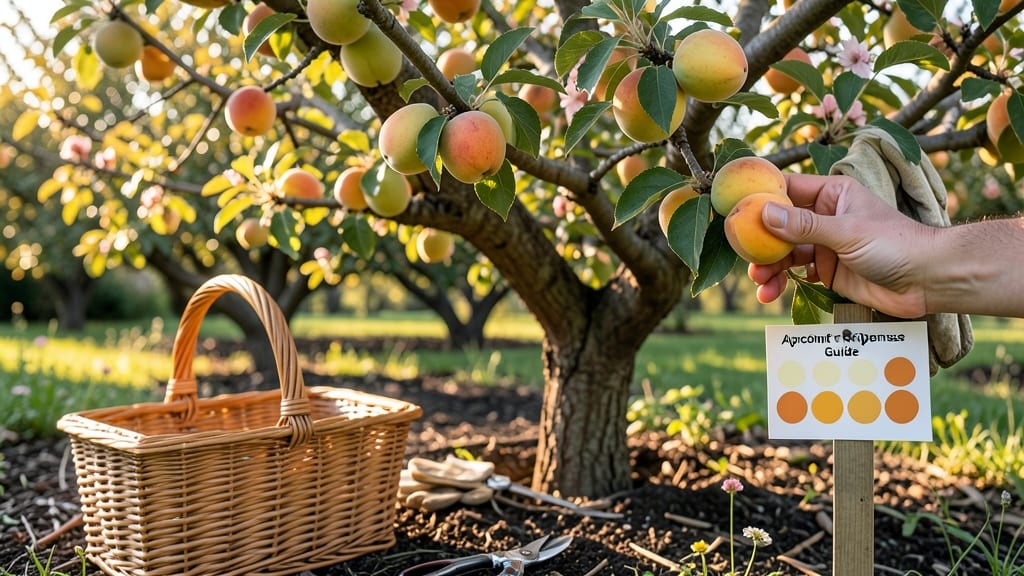
Harvesting apricots at the right time ensures sweet, juicy fruit instead of mealy disappointments — and the secret lies in knowing exactly when to pick.
Picture this: you’ve waited months for your 🍑 to ripen, only to bite into one that’s still hard or turns to mush by dinner. That’s why timing matters more than you think. A few simple checks—color, scent, and a gentle squeeze—will tell you when your apricots are ready to harvest.
Most apricots ripen between July and August, but the exact moment depends on your climate zone. In USDA Zone 6a, for example, you’ll likely harvest in late July, while warmer regions might see fruit ready by early July.
The key is catching them at peak ripeness, not waiting too long.
Below, I’ll walk you through three foolproof ripeness tests so you never miss the window again. Plus, I’ll share storage tips to keep your harvest fresh for weeks—no wasted fruit here!


3 Foolproof apricot ripeness tests (with visual cues)
Determining the exact moment to harvest apricots can feel like guessing—until you know the science-backed visual cues and sensory tests. Overripe apricots turn mushy and lose sweetness, while underripe ones stay hard and bland.
The key lies in combining three simple tests: color intensity, skin texture, and aromatic scent. These methods work for both backyard growers and commercial orchards, ensuring you never miss peak ripeness again.
First, let’s address the most common mistake: relying solely on calendar dates. Apricot harvest windows vary by USDA zone—typically July to August in warmer climates—but fruit ripens based on tree maturity, not the season.
That’s why these three tests are your best friends, cutting through guesswork with objective evidence. Ready to master them?
- 1 Color Test: Look for deep orange-yellow with no green patches. Hold the fruit against a white background to spot subtle color shifts.
- 2 Gentle Squeeze: Press near the stem end. It should yield slightly (like a ripe peach) but not feel mushy or squishy.
- 3 Scent Test: Hold the fruit to your nose. A sweet, floral aroma means ripeness—no smell? Wait 1-2 days.
Let’s break down the color test first, as it’s the most visual clue. Apricots start green and gradually deepen to a vibrant orange-yellow. The trick? Check the underside of the fruit, where color changes first.
If you see faint green streaks, the fruit needs more time on the tree. For dwarf varieties, color may appear more muted—so rely on the other tests too.
The gentle squeeze test reveals the fruit’s internal ripeness without damaging it. Use your thumb and forefinger to press near the stem. A ripe apricot should feel slightly soft but still firm—like pressing a ripe avocado.
If it leaves an indent, it’s overripe. If it feels rock-hard, it’s underripe. This test works best in the morning, when fruit is coolest and firmest.
Don’t underestimate the scent test, which taps into the fruit’s natural chemistry. Ripe apricots release volatile organic compounds (VOCs) that create a sweet, floral aroma. If your fruit smells neutral or sour, it’s not ready.
Pro growers swear by this test for late-season apricots, which can ripen unevenly. Pair it with the color test to confirm ripeness, especially in humid climates where overripening is common.
For tree-ripened apricots, combine these tests with the stem twist method. Gently grasp the fruit and twist it slightly at the stem. If it separates cleanly with minimal force, it’s ready.
If the stem resists, the fruit needs more time. This method also helps avoid fruit bruising, which happens when you pull too hard on unripe apricots.
Regional variations matter! In cooler climates (USDA zones 5-7), apricots may take longer to ripen on the tree, so monitor color changes closely. In warmer zones (8-10), fruit can ripen faster—sometimes in just 2-3 weeks.
Adjust your harvesting schedule by tracking the first ripe fruit and testing nearby ones daily. A harvest journal helps you predict ripeness in future seasons.
One common pitfall is harvesting too early to prevent bird damage or pests. While apricots won’t ripen further off the tree, they’ll soften slightly in storage.
To maximize shelf life, harvest in the coolest part of the day (early morning) and store in a paper bag at room temperature for 2-3 days. Avoid refrigerating until fully ripe—cold temperatures halt ripening and dull flavor.
Remember, consistency is key. Check the same branch daily once fruit starts coloring. Apricots ripen asynchronously, meaning some on a branch may be ready while others aren’t. Use a small harvesting basket lined with paper towels to catch any fruit that’s already overripe.
This way, you only pick what’s perfect, leaving the rest to mature naturally on the tree.
With these three tests, you’ll never second-guess your apricot harvest again. The color test gives you a visual cue, the squeeze test confirms texture, and the scent test seals the deal. Now go enjoy that sweet, juicy reward—your apricot tree will thank you for the careful attention! 🌱
Best time of day and season to harvest apricots for maximum flavor
Timing your apricot harvest is an art that balances seasonal maturity with daily temperature. Picking too early means tart, firm fruit, while waiting too long risks mealiness or cracking.
The best flavor comes when you harvest at the peak of ripeness, which varies by USDA zone and time of day.
Morning is the golden window for harvesting apricots. Fruits picked in the early hours (before 9 AM) are cooler and retain more natural sugars and moisture. Afternoon heat can cause apricots to overripen quickly on the tree, leading to shriveled skin or split fruit.
If you must pick later, do so in the late afternoon—just avoid the hottest hours.
Seasonal timing shifts with your climate zone. In USDA Zones 5-7, apricots typically ripen between late July and mid-August. Warmer zones (8-10) may see harvests as early as June or stretch into September.
Early varieties like 'Blush' ripen first, while late varieties like 'Royal' hold on the tree longer.
Seasonal variations also affect sugar development. Early-season apricots tend to be tart and firm, while those ripening in late summer develop deeper sweetness. In cooler zones, a frost warning means it's time to harvest—even if fruits aren't fully ripe—to save your crop.
Use a harvest bag to prevent bruising during transport.
Pro tip: Check for stem separation—a ripe apricot will twist off the tree with minimal force. If the fruit resists, it's not ready. Overripe apricots may split open or attract pests like wasps, so don't delay harvesting once they're ready.
Store freshly picked apricots in the fridge for 3-5 days or eat them within 24 hours for the best flavor.
Remember, apricots continue to ripen off the tree at room temperature, so don't rush to refrigerate them. Place them in a paper bag with a banana or apple to speed up ripening if needed. With the right timing, you'll enjoy apricots at their peak flavor—sweet, fragrant, and perfectly balanced.