
How To
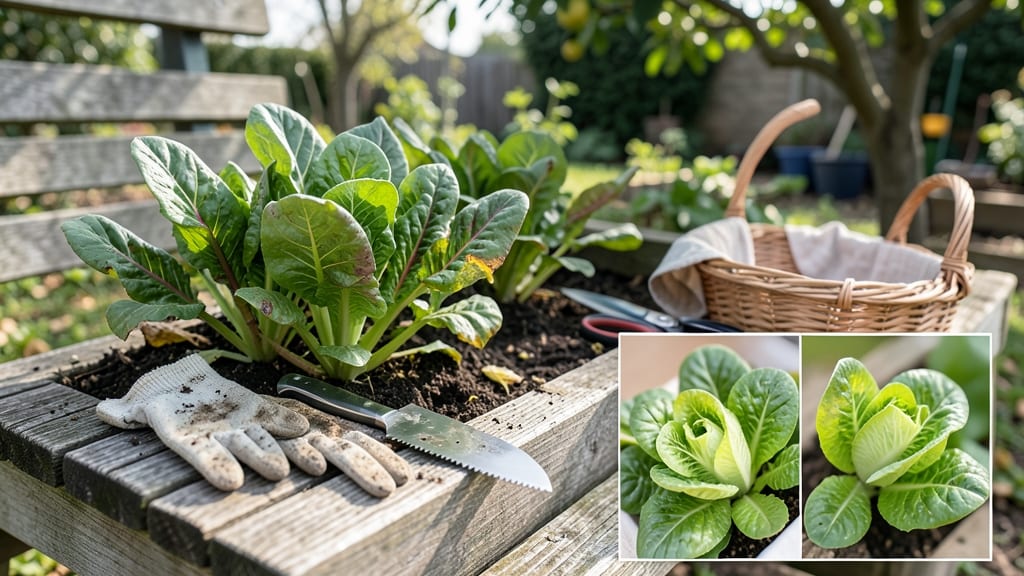
Harvesting romaine lettuce 🥬 too late turns your crisp heads into bitter, tough stalks in a matter of days — and missing that window means wasted effort.
Picture this: you’ve nurtured your romaine for weeks, only to pull it just as the heat sets in, leaving you with leaves that taste like cardboard. That’s the moment you realize timing is everything.
In cooler zones like 6a, the sweet spot is between May and June for spring crops, but heat stress can shrink that window fast. Learn the leaf crunch test and other signs to know exactly when to pull it.
Below, I’ll walk you through the exact cues to harvest at peak flavor, how to spot overripe romaine, and even tricks to salvage what’s left if you’ve waited too long.


The romaine lettuce harvest window: when to pick before bolting or bitterness
Romaine lettuce thrives in cool weather but quickly declines when left too long in the garden. The ideal harvest window spans 50-60 days after planting, but timing is everything. Harvest too early, and you’ll have small, underdeveloped leaves.
Wait too long, and you’ll face bitterness, bolting (flowering), or tough, fibrous textures that ruin salads. Understanding these signs ensures you enjoy crisp, flavorful lettuce at its peak.
Heat stress accelerates spoilage, making summer harvests risky. Temperatures above 75°F (24°C) trigger bolting, while inconsistent moisture leads to leggy growth and poor flavor. Even in ideal conditions, romaine lettuce’s harvest window is narrow—just 10-14 days between perfect maturity and ruin.
Missing this window means sacrificing quality for quantity, a trade-off no gardener wants to make.
Here’s how to recognize the perfect harvest moment before it’s too late:
My go-to trick for testing readiness is the leaf crunch test. Bend a leaf—if it snaps crisply, it’s ready. If it bends without resistance, it’s overripe. Pair this with a visual check: vibrant green leaves with no yellowing or brown edges signal peak harvest.
A loose head or hollow stem? That’s your cue to act fast before bitterness sets in.
Bolting is the biggest red flag. Once romaine sends up flower stalks, the leaves become inedible. Heat waves (above 80°F/27°C) or drought stress trigger this response. If you notice tall stems or yellow flowers, harvest immediately—or better yet, pull the plant to prevent seed spread.
Prevention is key: use shade cloth in summer and mulch to retain moisture.
Another telltale sign of overmaturity is leaf toughness. Run your fingers along the edges—if they feel rough or leathery, the lettuce has passed its prime. Even worse, the bitterness develops as sugars convert to defensive compounds.
At this stage, the lettuce is better suited for compost than salads. To avoid this fate, I harvest outer leaves first, allowing the inner leaves to mature gradually.
Cool-season planting (spring or fall) gives you the best shot at success. In USDA Zone 6a, aim for March-April or August-September plantings to align with romaine’s 50-60 day harvest window.
Avoid summer plantings unless you’re in a high-altitude or coastal area with cooler temperatures. If you’re pushing the limits, opt for heat-tolerant varieties like ‘Black Seeded Simpson’ or ‘Jericho.’
Pro tip: Use a harvest calendar to track planting dates and maturity timelines. Mark your garden with stakes noting the ideal harvest window for each row. This simple system saves me from guessing—and from ending up with a bitter harvest.
When in doubt, err on the side of early harvesting. You can always regrow lettuce from the base, but you can’t reverse bolting or bitterness.
Finally, store harvested romaine properly to extend its freshness. Wrap loosely in a damp paper towel and refrigerate for up to 7 days. Avoid washing until ready to eat, as excess moisture speeds up spoilage.
With the right timing and care, you’ll enjoy restaurant-quality romaine straight from your garden—no bitterness in sight!
Heat stress vs. overmaturity: how to tell if your romaine is ruined
Your romaine lettuce might look wilted or bitter, but is it heat stress or simply overmaturity? The key difference lies in the stem condition and leaf texture.
Heat stress causes brown edges and floppy leaves, while overmaturity leads to hollow stems and bitter flavors. Both issues can ruin your harvest if ignored.
First, check the temperature range your lettuce has endured. Romaine thrives in cool weather (50–70°F) but struggles when temperatures climb above 80°F. If your garden has hit 90°F+, your lettuce is likely suffering from heat stress, not just aging.
This can cause irreversible damage faster than you think.
If your romaine stems feel hollow when squeezed, it’s a clear sign of overmaturity. This happens when the plant focuses energy on seed production instead of leaf growth. The leaves may also taste bitter, a natural defense mechanism as the plant prepares to bolt.
In this case, harvesting immediately is your best bet—even if the leaves aren’t perfect.
Heat stress, on the other hand, shows up as crispy brown edges or wilting leaves that don’t recover after watering. Unlike overmaturity, heat damage is often reversible if caught early.
Move your lettuce to a shadier spot or provide drip irrigation to keep roots cool. Mulching with straw can also help regulate soil temperature and retain moisture.
For overmature romaine, try blanching the leaves before eating to reduce bitterness. Submerge the heads in ice water for 10 minutes to soften tough fibers. If the stems are too woody, consider composting the plant and starting fresh.
Prevention is key—plant romaine in spring or fall when temperatures are mild, and avoid summer heatwaves.
Remember, romaine lettuce is a cool-season crop, so don’t fight nature. If your garden is baking in 90°F+ heat, it’s time to harvest what you can and let the plants bolting go to seed.
Next season, opt for heat-tolerant varieties like Buttercrunch or Oakleaf for better success in warm climates. 🌱