
Vegetables
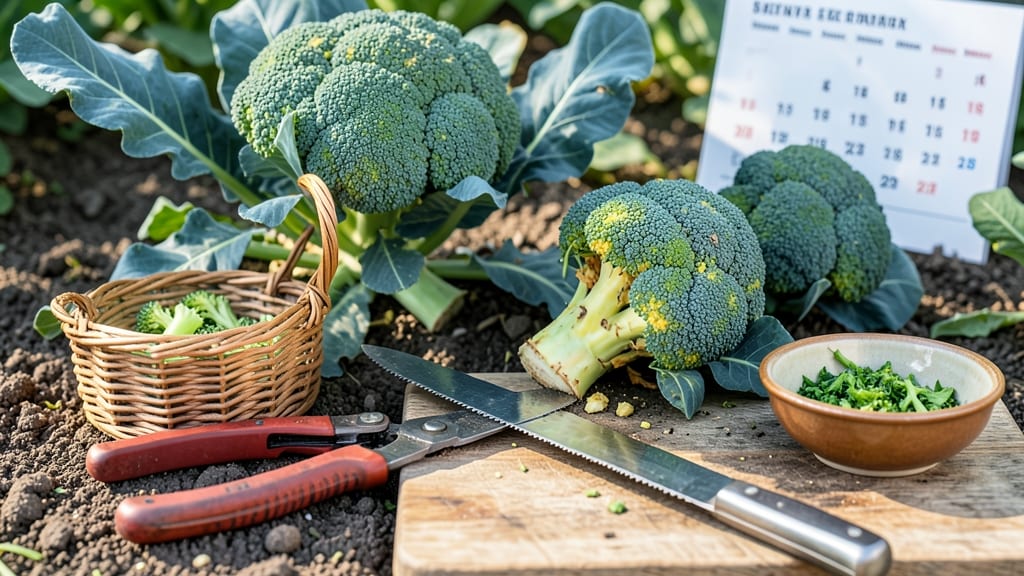
Harvesting broccoli 🥦 too late turns those tender florets into bitter, woody crowns you’ll regret.
Broccoli plants are finicky—harvest too late, and you’ll end up with bitter, woody crowns instead of tender florets. But how do you know the exact moment when it’s too late? Timing matters more than you think, especially if you’re battling bolting or fluctuating temperatures.
In Zone 6a, spring broccoli should be harvested between May and June, while fall varieties are best picked in September and October. Missing this window means tough stems, yellowing florets, and a plant that’s already sending up a flower stalk—bolting—that signals the end of your harvest.
Below, I’ll walk you through the 3 clear signs your broccoli is past prime, how temperature affects timing, and what to do if you’ve already missed the boat. Spoiler: there are still ways to salvage your crop!


3 Clear signs your broccoli is past the prime harvest window
Broccoli crowns reach their peak flavor when harvested at the right moment—too late, and you’ll sacrifice tenderness for bitterness or tough, woody textures. The challenge? Spotting those subtle cues that signal overmaturity before your plant bolts or turns rubbery.
I’ve learned the hard way that waiting just a few extra days can make all the difference between a crisp, vibrant harvest and something better suited for compost.
Even experienced gardeners sometimes miss the window, especially when dealing with fluctuating temperatures or late-season heat waves. The good news is that broccoli gives clear visual and textural signals when it’s past its prime.
These three signs will help you decide whether to harvest now or wait—and when to cut your losses before the plant sends up that telltale yellow flowering stalk.
- 1 Floret Size and Texture: Overripe broccoli heads exceed 8 inches in diameter and develop a spongy, open texture. The florets will start to loosen and spread instead of staying tightly clustered. At this stage, the crown loses its crispness and becomes fibrous.
- 2 Stem Hardness: Press your thumb into the main harvest stem. If it feels rock-hard or woody, your broccoli is past its prime. Younger stems should yield slightly under gentle pressure. A tough stem means the plant has shifted energy from growth to seed production.
- 3 Yellowing Leaves and Bolting: Watch for lower leaves turning yellow or brown, a sign of nutrient depletion. The ultimate red flag is the central stalk elongating and flowering (bolting). Once you see tiny yellow flowers or a tall, thin stem, the plant is done producing quality heads.
These signs often appear together, so don’t wait until you see all three. For example, if your broccoli heads are already 8+ inches wide but the stems still feel firm, harvest immediately—the texture will degrade faster than you think.
I once left a head for "just one more day," only to find it bolted overnight after a heatwave.
Another critical factor is the color of the florets. Fresh broccoli should be a deep, vibrant green. As it overripens, the florets may develop yellow or brown spots, especially near the edges.
This discoloration is your body telling you the chlorophyll is breaking down, and the sugars converting to starches—making the broccoli bitter and less nutritious.
If you’re growing broccoli in hotter climates (USDA Zones 8-10), the signs of overmaturity come faster due to accelerated growth. In cooler regions, you might have a 2-3 week grace period after the ideal harvest window before these cues appear.
That’s why I always check my plants every 2-3 days during peak growing months.
Don’t dismiss smaller side shoots just because the main head is past prime. Even overripe broccoli can produce secondary shoots that are still harvestable. Cut the main head at the stem’s base, and watch for new growth—these often mature faster and may still yield tender florets.
It’s a last-resort trick, but it’s saved my harvest more than once!
Pro tip: Use a sharp knife or pruners to cut the stem about 1 inch below the head. This encourages the plant to redirect energy to side shoots.
If you’re unsure whether to harvest, go for it—the plant won’t produce another main head, but you’ll avoid the bitter disappointment of waiting too long.
Remember, broccoli’s flavor and texture degrade rapidly once it’s past prime. The sooner you harvest after spotting these signs, the better your chances of salvaging something edible. And if all else fails, compost the overripe heads—they’ll still enrich your soil for next season’s crop! 🌱
How temperature and growth stage affect broccoli harvest timing
Broccoli thrives in cool weather, but temperature swings can drastically alter your harvest window. In USDA Zone 6a, ideal planting occurs in early spring or late summer—when daytime temps hover between 60-70°F.
Heat waves above 80°F trigger bolting, sending your plant into flower mode and ruining tender florets.
Cold snaps below 40°F can also stall growth, delaying maturity by 1-2 weeks. If you planted late summer broccoli, a sudden early frost (like my October 15 cutoff) forces you to rush harvests before heads yellow. Timing isn’t just about days—it’s about weather patterns.
📊 SUMMARY TABLE: Harvest Timing by Climate & Stage
| Climate Type | Growth Stage | Ideal Harvest Window | Risk of Overmaturity |
|---|---|---|---|
| Cool (60-70°F) | Head formation (50-60 days) | May-June (spring) or Sept-Oct (fall) | Low (slow growth) |
| Warm (75-85°F) | Rapid bolting (60-75 days) | July-August (late summer) | High (bitter florets) |
| Extreme heat (90°F+) | Stress-induced bolting (45-55 days) | None (harvest fails) | Critical (plant dies) |
| Cold snaps (35°F) | Stunted growth (70+ days) | Delayed by 1-2 weeks | Medium (woody stems) |
For spring broccoli, plant 4-6 weeks before last frost (like my March timing) to align harvests with cool May-June temps. Fall plantings need 90-120 days before first frost—so in Zone 6a, aim for July-August sowing.
If you’re in a warmer zone (8a+), opt for heat-tolerant varieties like ‘De Cicco’ to delay bolting.
Watch for temperature stress: sudden heat spikes after 60 days can force bolting in just 3-5 days. In my garden, a 95°F week turned my 65-day-old heads yellow overnight. To extend harvests, use shade cloth during heatwaves or plant succession crops every 2 weeks.
Adjust planting dates based on your local frost dates. In northern climates, prioritize early spring harvests; in southern zones, focus on fall. My Zone 6a garden’s sweet spot? Late July plantings for September-October harvests—just before frost.
Never harvest broccoli after yellowing florets appear—this signals overmaturity. If you miss the window, trim side shoots for smaller harvests, but expect bitter, tough textures. The key? Monitor temps and act fast when heads reach 4-8 inches.