
Picking
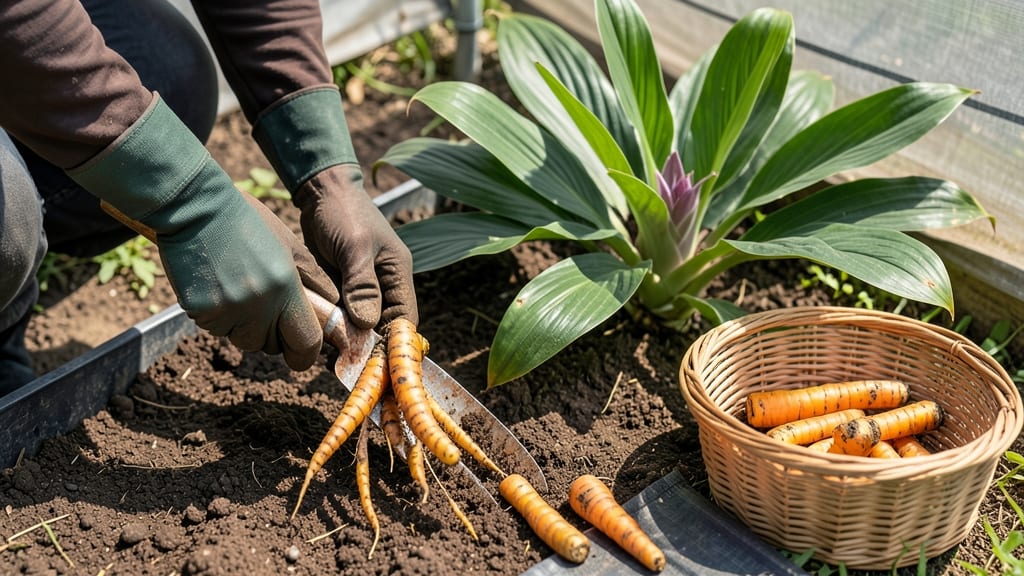
Harvesting turmeric at the right time transforms your garden into a goldmine of flavor and medicine 🌿 — the difference between a dull, pale rhizome and a vibrant, potent root.
But here’s the catch: timing isn’t just about months on the calendar. It’s about watching for those telltale signs—leaf yellowing, soil temperature shifts, and rhizome color—that scream, “Dig me now!” Miss this window, and you’re left with roots that lack the deep golden hue and bold taste you’re after.
Whether you’re in a warm tropical climate or a cooler USDA Zone 6a, the key is knowing when your turmeric is ready. In most regions, that’s October to November, but the real secret lies in the plant’s cues—not just the calendar.
Below, I’ll walk you through how to spot the perfect harvest moment, regional tweaks for your climate, and what to do once you’ve pulled those golden rhizomes from the soil to lock in their potency.

When to harvest turmeric for peak potency and flavor
Timing your turmeric harvest correctly ensures you get the most vibrant, flavorful rhizomes packed with curcumin. Most varieties take 10-12 months to mature, but exact timing depends on your climate zone and soil conditions.
In USDA Zone 6a, the ideal harvest window falls between late October and November, aligning with cooler temperatures that signal maturity.
Your turmeric rhizomes develop best when soil temperatures stay between 70-85°F during the growing season. If your summers are hotter, they may mature faster, while cooler climates could extend the timeline. The key is watching for visual maturity cues rather than relying solely on months since planting.
| Factor | Ideal Condition | What to Watch For |
|---|---|---|
| Time Since Planting | 10-12 months | Leaves begin yellowing naturally (not from drought) |
| Soil Temperature | 70-85°F during growth | Rhizomes stop growing when temps drop below 65°F |
| Leaf Color | Yellowing and drying | Lower leaves turn golden first, then progress upward |
| Rhizome Size | 2-4 inches long | Firm texture with golden-brown skin (not green) |
| Growth Activity | Slowing growth | New shoots stop emerging in cooler months |
To test for readiness without overdigging, gently part the soil around your plants and check for rhizome size. The ideal harvest rhizome should be 2-4 inches long with a golden-brown skin. If you see smaller rhizomes (<1 inch) with green skin, they need more time. Overripe rhizomes (larger than 4 inches) may have duller color and less potency.
In tropical climates, turmeric may mature year-round, but the flavor intensifies when grown through a cool season. If you're in a warm region, look for leaf yellowing as your primary cue rather than seasonal changes.
The rhizome's firmness is another key indicator—press gently with your thumb; it should feel solid, not mushy.
One common mistake is harvesting too early for bigger rhizomes. While larger rhizomes may look impressive, they often have lower curcumin content because the plant has diverted energy to growth rather than potency.
Aim for medium-sized rhizomes with vibrant color—these offer the best balance of flavor and medicinal benefits.
If your turmeric leaves turn completely brown and crispy before the rhizomes reach maturity, your plant may be stressed from drought or nutrient deficiency. In this case, wait until the next growing season to harvest. Healthy plants will naturally yellow from the bottom up as they prepare for dormancy.
For gardeners in USDA Zone 7b and above, you can extend the growing season by planting in early spring (February-March) to harvest in late fall.
In cooler zones (Zone 5a and below), start rhizomes indoors in late winter and transplant after the last frost for a 9-10 month growing cycle.
Once you've confirmed maturity, use a sharp garden fork to dig around the plant, lifting the rhizomes carefully to avoid damage. Shake off excess soil and prepare for post-harvest curing, which enhances flavor and preserves color.
The sooner you cure fresh turmeric, the more vibrant and potent your final product will be.
Remember: Patience pays off with turmeric. Rushing the harvest can leave you with pale, bland rhizomes, while waiting too long may result in woody, less flavorful roots. Mastering the ideal harvest time transforms your garden into a source of golden, aromatic turmeric for teas, cooking, and remedies. 🌱💛
Signs your turmeric is ready for harvest (before you dig)
Harvesting turmeric at the right time ensures maximum potency and vibrant golden color. The key is watching for visual and tactile cues that signal maturity—don’t rely solely on days since planting.
Overripe rhizomes lose flavor, while premature harvests yield small, underdeveloped roots. I’ve learned the hard way that patience pays off when it comes to turmeric!
Start by checking the leaves—they’re your first clue. As turmeric matures, the broad, green foliage begins to yellow and wither naturally, especially in cooler months. This isn’t the same as nutrient deficiency; it’s a sign the plant is redirecting energy to the rhizomes below.
If you see 50% or more yellowing, it’s time to investigate further.
🌱 5 Key Signs Your Turmeric Is Harvest-Ready
- 🍂 1. Leaves Turn Fully Yellow
Most leaves should yellow and dry up, leaving only a few green stems. This indicates energy is focused on rhizome growth. - 📏 2. Rhizomes Reach 2-3 Inches
Dig up one rhizome to check size. Mature roots should be thick (about the width of a finger) and segmented. - 🟡 3. Golden-Brown Skin
The outer skin should shift from light tan to a rich golden-brown. This hue deepens as the rhizome cures. - 💪 4. Firm and Dense Texture
Press a rhizome gently—it should feel solid and heavy for its size, not spongy or hollow. - ⏰ 5. 8-10 Months Post-Planting
Turmeric typically matures in 240-300 days. In warmer climates, this may happen earlier (7-9 months).
⚠️ Pro Tip: Avoid harvesting when soil is waterlogged or during heavy rains. Moisture can weaken rhizome quality and make them prone to rot.
One mistake I made early on was harvesting too soon because the rhizomes looked large enough. But when I peeled back the skin, they were still pale and underdeveloped. Color is everything—immature turmeric stays light tan or even white, while mature rhizomes develop that coveted golden-yellow hue.
This color deepens during curing, so don’t rush the process!
If you’re in a temperate climate, watch for the first frost warning in your area. Turmeric is frost-sensitive, and a light freeze can trigger premature leaf drop. This isn’t the same as natural yellowing—it’s a stress signal.
Harvest before temperatures dip below 50°F (10°C) to avoid damage. In tropical zones, timing is less critical, but monsoon season can dilute rhizome potency, so aim to harvest before heavy rains.
Finally, perform a spot check by gently digging up one rhizome from the outer edges of the plant. This minimizes damage to the rest of your crop. Look for well-defined segments (the "fingers" of turmeric) and a thick, fibrous texture.
If it meets these criteria, your entire plant is likely ready. If not, wait another 2-4 weeks and check again.
Timing your harvest correctly ensures your turmeric will be bold, aromatic, and perfect for culinary or medicinal use. Once you master these signs, you’ll never second-guess when to dig again! 🌿