
Picking
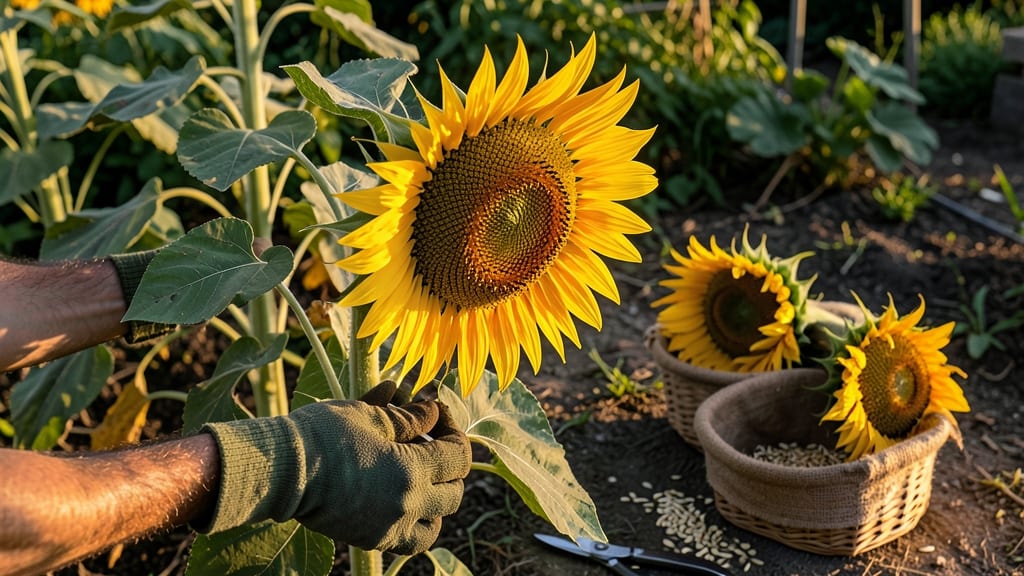
Harvesting sunflowers at the right time turns those towering 🌻 blooms into a bounty of seeds, but missing the window means wasted effort—or worse, no harvest at all.
You’ve nurtured your sunflowers all season, watching them grow from tiny sprouts to towering giants, but how do you know when those seed heads are truly ready?
The answer lies in the subtle shifts from vibrant petals to dried, papery centers—and timing it right ensures you get the most out of your hard work.
From late summer through fall, the signs of readiness are easy to miss if you’re not looking for the right cues. A seed head that’s turned brown, feels dry to the touch, and even cracks open at the bottom is your signal that it’s time to act.
But harvest too early, and you’ll end up with seeds that won’t store well; wait too long, and the birds will beat you to them.
In this guide, I’ll walk you through the exact visual cues to watch for, the best methods for cutting or leaving seed heads on the stem, and how to store your harvest so it lasts all year.
Whether you’re growing sunflowers for birdseed, cooking oil, or just the joy of watching them sway in the breeze, knowing the perfect harvest time makes all the difference.

How to identify the perfect sunflower harvest time by seed head appearance
Harvesting sunflowers at the right time ensures you get the most flavorful seeds and avoid wasting effort. The key lies in observing the seed head and flower petals for specific visual cues that signal maturity.
When these signs appear, your sunflowers are ready for picking, whether you're saving seeds or enjoying them roasted.
One of the first indicators is when the flower petals wilt and turn brown. This usually happens after the sunflower has bloomed for about 70-120 days, depending on the variety.
The petals will droop and eventually fall off entirely, revealing the seed head beneath. This stage marks the beginning of the drying process.
Here’s a quick reference to help you spot the perfect harvest time:
| Stage | Visual Cues | Action |
|---|---|---|
| Early Maturity | Petals still vibrant, seed head green and firm | Wait 1-2 weeks |
| Mid Maturity | Petals wilt and turn brown, back of seed head turns yellow | Monitor daily for drying |
| Full Maturity | Seed head dry, papery, and cracks open at the bottom | Harvest immediately |
| Over-Mature | Seed head splits open, seeds scatter | Harvest too late |
The most critical phase is when the seed head turns brown and papery, and the back of the head develops a yellowish hue. This indicates the seeds inside are fully developed and ready for harvest.
If you wait too long, the seed head may crack open, causing seeds to scatter and reducing your yield.
Another key sign is when the seed head starts to crack open at the bottom. This natural process signals that the seeds are dry enough to harvest. If you see seeds falling out, it’s time to act quickly.
Cut the seed head off the stem, leaving about 2-3 inches of stem attached to make drying easier.
For oilseed varieties, like those used for bird feed or cooking, you’ll want to harvest slightly earlier—when the back of the seed head turns yellow but before it cracks open.
This ensures the seeds retain their oil content. In contrast, confetti or snack varieties should be left on the plant until fully dry to maximize seed flavor and texture.
Regional climate plays a role in harvest timing. In warmer climates, like USDA zones 8-10, sunflowers may mature faster and require earlier harvesting. In cooler zones, like 3-6, the drying process can take longer, so keep an eye on frost dates.
If frost is imminent, harvest the seed heads early and dry them indoors to prevent spoilage.
Once you’ve harvested, place the seed heads in a well-ventilated area with low humidity to dry completely. This could take 1-2 weeks, depending on the conditions. Once fully dry, rub the seeds from the head or use a fork to scrape them off.
Store them in a cool, dry place for up to a year for future planting or snacking.
Timing your harvest correctly isn’t just about avoiding wasted effort—it’s about ensuring the best possible seeds for your needs. Whether you’re saving seeds for next year’s garden or enjoying them as a snack, paying attention to these visual cues will make all the difference. 🌻
Step-by-step guide: when and how to harvest sunflower seeds for best yield
Harvesting sunflower seeds at the right time ensures you get the most nutritious, plump seeds for eating or saving. The ideal harvest window is when the seed heads turn fully brown and begin to crack open naturally. Missing this critical stage can lead to seeds falling out or sprouting prematurely.
Timing is everything—harvest too early, and you’ll get green, underdeveloped seeds that won’t store well. Harvest too late, and birds or wind will steal your hard-earned yield. Follow these steps to maximize your sunflower seed harvest like a pro.
Step-by-Step Sunflower Seed Harvest Guide
- 1 Wait for the petals to wilt: Harvest when the bright yellow petals turn brown and droop. This signals the seed head is maturing.
- 2 Check for seed head cracks: Look for the bottom of the seed head to split open slightly. This means seeds are drying inside and ready to harvest.
- 3 Cut the seed head with 6 inches of stem: Use clean pruning shears to snip the stem, leaving enough room to hang the head for drying.
- 4 Hang heads upside down: Suspend the seed heads in a dry, well-ventilated area (like a garage or barn) for 2-3 weeks to fully dry.
- 5 Remove seeds from the head: Once fully dry, rub the seed head between your hands or use a clean cloth to separate the seeds.
- 6 Store seeds in a cool, dark place: Keep seeds in an airtight container for up to 6 months to preserve freshness.
If you’re saving seeds for planting next year, ensure they’re completely dry before storing. Moisture can cause mold or sprouting, ruining your seed stash. For immediate use, roast the seeds in the oven at 300°F for 30 minutes for a tasty snack!
Avoid harvesting in humid conditions, as this can slow drying. If rain is forecasted, bring your seed heads indoors early to prevent mold or rot. With patience and the right timing, you’ll enjoy a bountiful sunflower seed harvest every season.