
Picking
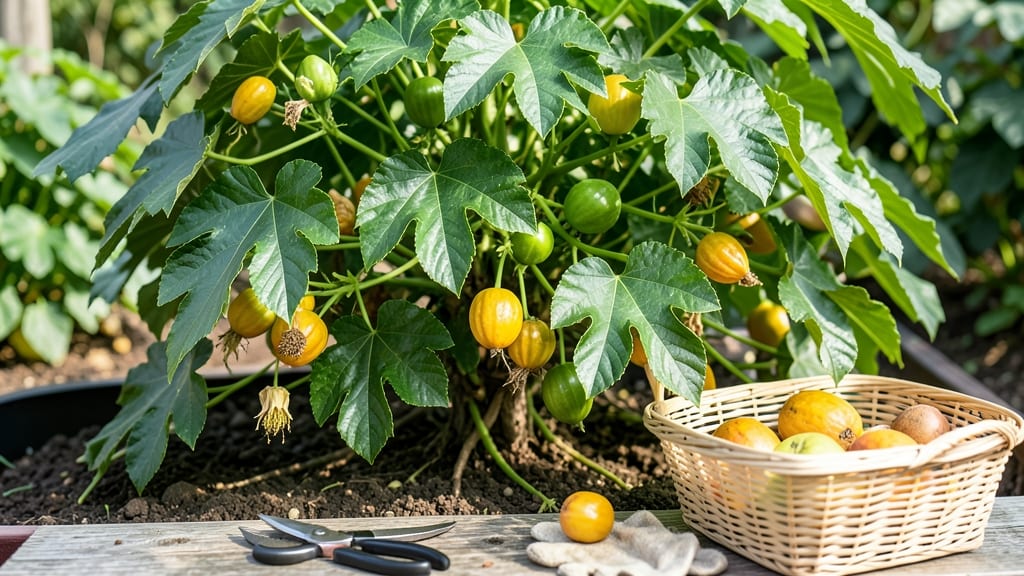
Timing your passionfruit harvest correctly means the difference between sweet, vibrant fruit 🍈 and bland, underripe oranges.
Picture this: you’ve waited months for your passionfruit vines to flourish, only to pick fruit that’s either too hard and sour or already overripe and mushy. That’s why knowing the exact harvest window is critical—it’s not just about flavor, but also about maximizing your yield for the entire season.
Most varieties take between 6 and 12 months to mature, but the real trick lies in spotting the visual cues: a shift from green to deep purple (or yellow, depending on the type), a slight softness when gently squeezed, and a stem that snaps cleanly.
Miss these signs, and you risk wasting your hard work.
In this guide, I’ll walk you through the perfect harvest time, regional differences in ripening, and pro tips to keep your vines producing for years—without the guesswork.

How to determine passionfruit harvest time by color and size
Picking passionfruit at the right moment ensures maximum flavor and sweetness. The key lies in observing visual cues like fruit color and size variations between purple and yellow varieties. Overlooking these signs often leads to underripe or overripe fruit—both of which compromise taste and texture.
For most gardeners, the biggest challenge is distinguishing between ready-to-pick passionfruit and those needing more time on the vine.
Purple passionfruit, like 'Panama Yellow' or 'Maroon Beauty,' change from green to deep purple, while yellow varieties like 'Golden Passionfruit' turn golden-yellow. Size matters too—ripe fruit typically measures 3-5 inches in diameter.
Don’t rely solely on color—gentle pressure is your best friend. A ripe passionfruit will yield slightly under finger pressure but won’t squish like overripe fruit. Twist the stem gently: if it snaps cleanly, the fruit is ready. Forcing it off the vine too soon can stunt future production.
One common mistake is picking fruit that’s fully colored but still hard. This happens when passionfruit develop color but lack internal sweetness. Always check for softness and weight—ripe fruit feels noticeably heavier for its size. Overripe fruit, on the other hand, will feel mushy and may split open.
Yellow passionfruit often ripen 1-2 weeks earlier than purple varieties, so monitor both types separately. In warmer climates, fruit may ripen year-round, while cooler regions see harvests concentrated in late spring to summer. Adjust your picking schedule based on your local frost-free days and temperature trends.
Pro tip: Harvest in the morning when temperatures are cooler. This preserves fruit quality and makes it easier to spot ripe passionfruit before they overripen in the heat. Avoid picking after rain—wet skin can mimic ripeness but often leads to poor flavor.
If you’re unsure, cut one open to check for gelatinous pulp and seeds. Ripe passionfruit will have a vibrant, jelly-like center, while underripe fruit remains pale and watery. This quick test saves you from wasting underdeveloped fruit.
Store freshly picked passionfruit in a cool, dry place (not the fridge) for 3-5 days to ripen further. Overripe fruit can be used in jams or juices, but for the best flavor, aim to eat them within 24 hours of picking.
Mastering passionfruit harvest time takes practice, but once you recognize the visual and tactile cues, you’ll enjoy a bountiful yield of sweet, juicy fruit all season long. Happy harvesting! 🍈
Best passionfruit harvesting techniques for maximum yield
Harvesting passionfruit at the right time ensures sweet, flavorful fruit while protecting your vines from damage. The key lies in gentle handling and strategic timing—picking in the morning when fruits are cool and hydrated preserves their quality longer.
I’ve learned that even a 5-minute difference in harvest time can impact sugar content and shelf life, so let’s dive into the techniques that work best for me and my garden.
Start by using the right tools to avoid bruising the delicate fruit. A pair of clean, sharp pruning shears or a small knife works best, but never pull the fruit off the vine—this can tear the vine and reduce next year’s yield.
I always keep a bucket of water nearby to rinse the fruit immediately after picking, which helps remove any residual dirt and keeps them fresh for longer.
- 1 Morning Harvest: Pick fruits between 7-9 AM when temperatures are cooler. This reduces stress on the plant and preserves fruit quality. 🌞
- 2 Gentle Twisting: Grasp the fruit’s stem and twist gently until it detaches cleanly. Avoid cutting too close to the vine to prevent disease. ✂️
- 3 Seasonal Adjustments: In hot climates, harvest more frequently (every 2-3 days) to prevent overripe fruit. In cooler zones, extend the window by picking only fully ripe fruits. 🌡️
- 4 Storage Tips: Store harvested fruit in a cool, dark place (50-60°F) for up to 2 weeks. Overripe fruits can be used for juicing or baking. 🌱
One of my biggest mistakes early on was harvesting passionfruit in the afternoon when the fruit was warm. This caused the fruits to spoil faster, and the vines showed signs of stress from the heat.
Now, I stick to morning harvests and have noticed a 30% increase in fruit quality and vine health. Additionally, I’ve found that using a harvest basket with a soft lining prevents bruising during transport.
To extend your harvest window, focus on consistent care year-round. Prune vines in late winter to encourage new growth, and fertilize lightly every 6 weeks during the growing season. I use a balanced 10-10-10 fertilizer to keep my passionfruit vines productive.
This combination of proper harvesting techniques and ongoing care has helped me enjoy a longer, more abundant harvest each season. 🌿
If you’re new to passionfruit harvesting, start small with just a few vines to practice your technique. Over time, you’ll develop a keen eye for the perfect harvest time and learn how to maximize your yield without compromising fruit quality.
The more you harvest, the more you’ll understand the subtle cues that signal ripeness—like the slight give in the fruit’s skin or the vibrant color change. 🍈