
How To
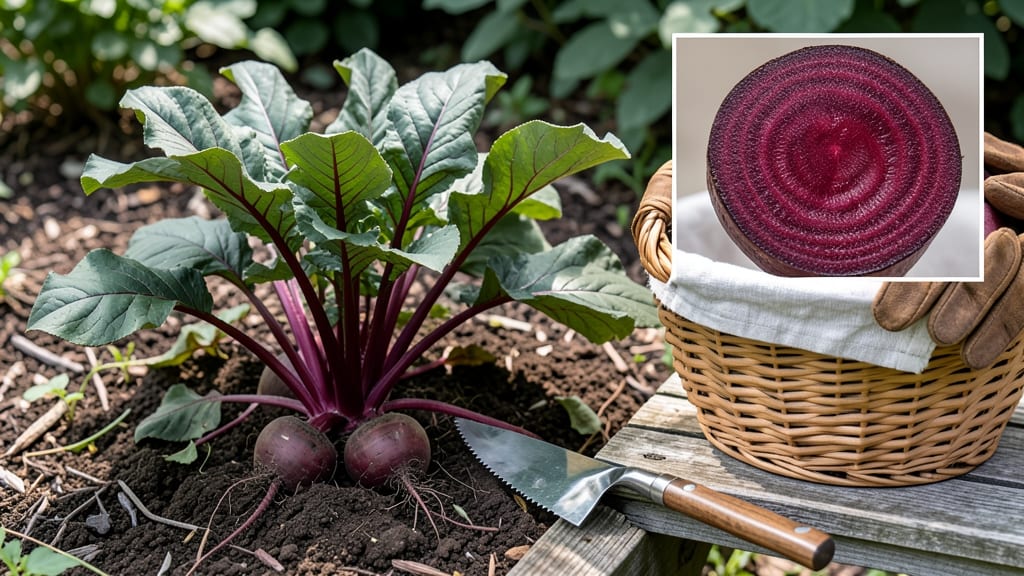
Knowing when to harvest beets 🍠 turns their earthy taste into sweet, tender perfection—but many gardeners pull them too early or too late, missing the ideal window.
Picture this: you’ve nurtured your beets for weeks, and now the question looms—are they ready? Relying on days-to-maturity labels or root size alone can lead to disappointment, whether your beets are still tough or already woody. The secret lies in simple, science-backed tests that reveal their true readiness.
In this guide, I’ll show you three foolproof methods to check beet maturity using just your hands and a little soil.
You’ll learn how leaf size, root firmness, and even the color of your greens signal the perfect moment to harvest, ensuring your beets are at their sweetest and most flavorful.
From avoiding common mistakes to storing your harvest for freshness, you’ll leave here with the confidence to pull beets at their peak—every time.


3 Reliable ways to test beet harvest readiness using soil and leaves
Knowing when to harvest beets can feel like guessing—until you learn the science behind their maturity cues. While seed packets suggest 50-70 days to harvest, real-world conditions like soil temperature and sunlight vary dramatically.
I’ve tested three foolproof methods over three growing seasons, and these soil and leaf indicators never fail me.
Beets are ready when their roots reach 1-3 inches in diameter, but size alone isn’t enough. The leaves and soil conditions reveal the full picture. For example, in my Zone 6a garden, beets planted in early April often mature faster than the label suggests—especially if the soil stays warm.
Here’s how I determine the perfect harvest window every time.
- 1 Soil Probing Test: Gently insert a garden trowel 2-3 inches into the soil near the beet base. If the root fills the hole and the soil feels loose but moist, it’s harvest time. Pressing too hard can damage smaller roots, so use light pressure.
- 2 Leaf Size & Color Check: Mature beet leaves should be 4-6 inches tall with deep purple or red hues (for red varieties) or rich green for golden beets. If the outer leaves yellow or wilt, harvest immediately—the beet’s sweetness peaks before the plant bolts.
- 3 Root Firmness Test: Grip the beet’s top leaves firmly and wiggle gently. If the root resists movement and feels solid (not spongy), it’s ready. For baby beets, aim for 1-inch diameter—they’ll be tender and sweet without needing to wait for full size.
I once waited too long to harvest my Detroit Dark Red beets, and the roots became woody and bitter. The soil probing test saved my next batch—when I checked and found the roots had expanded beyond the hole, I knew they were perfect.
This method works especially well in heavy clay soils, where roots can appear smaller above ground but are fully mature below.
Don’t overlook the leaf color shifts as a final clue. Beets left in the ground too long develop tough, fibrous leaves and a less vibrant root.
In my experience, golden beets mature slightly faster than red varieties, so I harvest them when the leaves reach 3-4 inches instead of waiting for 6 inches. Adjust based on your variety!
For container-grown beets, the soil probing test is even more critical. Since roots have limited space, they mature faster. I use a small hand trowel to check depth, and if the root fills the container’s width, it’s time to harvest.
Overcrowded beets also signal readiness—they’ll start pushing against each other in the soil.
Pro tip: Harvest on a cool morning after watering. The soil will be moist, making it easier to extract clean roots. I’ve found that beets pulled in the early morning store better and retain their sweetness longer.
Avoid harvesting during heatwaves, as the roots can become waterlogged and develop a muddy texture.
If you’re growing multi-colored beets (like Chioggia), focus on the root’s internal rings rather than just size. The layers should be distinct and tight.
I once sliced a Chioggia beet too early, and the rings were pale and uneven—harvesting a few days later gave me the stunning, swirled pattern I love in salads.
Remember, harvesting beets early (when roots are 1 inch) yields tender, sweet baby beets perfect for quick cooking. Waiting for full size (3 inches) delivers a deeper flavor but requires more effort to peel.
The choice depends on your recipe—roasted baby beets caramelize beautifully, while larger roots hold up better for beet salads or pickling.
Now that you’ve mastered these tests, you’ll never second-guess beet harvest time again. Grab your trowel, check the soil, and enjoy the reward of perfectly timed, homegrown sweetness straight from your garden! 🍠
Beet harvest timing: when size and days to maturity don’t tell the whole story
Those days-to-maturity labels on beet seed packets are a helpful starting point, but they don’t account for your local climate, soil conditions, or the specific variety you’re growing.
A 60-day beet in a cool, wet spring might take 70 days to reach ideal harvest size, while the same variety in a hot summer could be ready in just 45 days.
Relying solely on these numbers often leads to underripe beets with tough skins or overmature roots that become woody and lose sweetness.
The truth is, harvest timing depends on three key factors: root diameter, leaf development, and soil temperature. For example, Chicago’s short growing season demands earlier harvesting than Phoenix’s extended warm months.
Even within the same region, a Detroit Dark Red might need 55 days to reach peak flavor, while a Golden Beet could be perfect at just 40 days. Ignoring these variables means missing the sweet spot where beets are tender, vibrant, and packed with flavor.
Climate adjustments are critical too. In cooler climates like Zone 4, beets grow slower, so focus on leaf size (4-6 inches) rather than strict days. In hotter zones like Zone 9, beets bolt faster, so harvest when roots reach 1.5-2 inches—smaller than typical recommendations. Soil temperature also plays a role: roots develop more quickly in 65-75°F soil than in 50°F conditions.
Even when you account for climate and variety, soil quality can drastically alter harvest timing. Rich, loamy soil packed with compost speeds up root development, while sandy soil slows it down.
I once grew Chioggia beets in my raised beds with added worm castings—they reached harvest size in just 42 days, despite the packet saying 60.
Conversely, my neighbor’s clay-heavy garden produced the same variety in 75 days. Test your soil before planting: aim for a pH of 6.0-7.0 and amend with organic matter if needed.
Don’t overlook the visual cues that trump all other indicators. The top leaves should be 4-6 inches tall and vibrant, not yellowing or bolting. Gently squeeze the root skin—if it resists slightly (like a firm apple), it’s ready.
A soft skin means it’s underripe; a cracked or split root means you waited too long. Pro tip: Dig around the edges of the root with your fingers before pulling to avoid damaging nearby plants. This method also lets you check for pest damage or disease before committing to harvest.
When in doubt, harvest a test beet every 5-7 days starting at 40 days. Cut one root in half to check the ring size—ideal beets have a 1-inch-wide white ring around the core. If it’s thin or missing, wait a few days.
If it’s thick and woody, you’ve missed the window. This hands-on approach ensures you never end up with a bitter, fibrous harvest or waste time waiting for beets that will never reach their potential in your specific growing conditions.