
How To
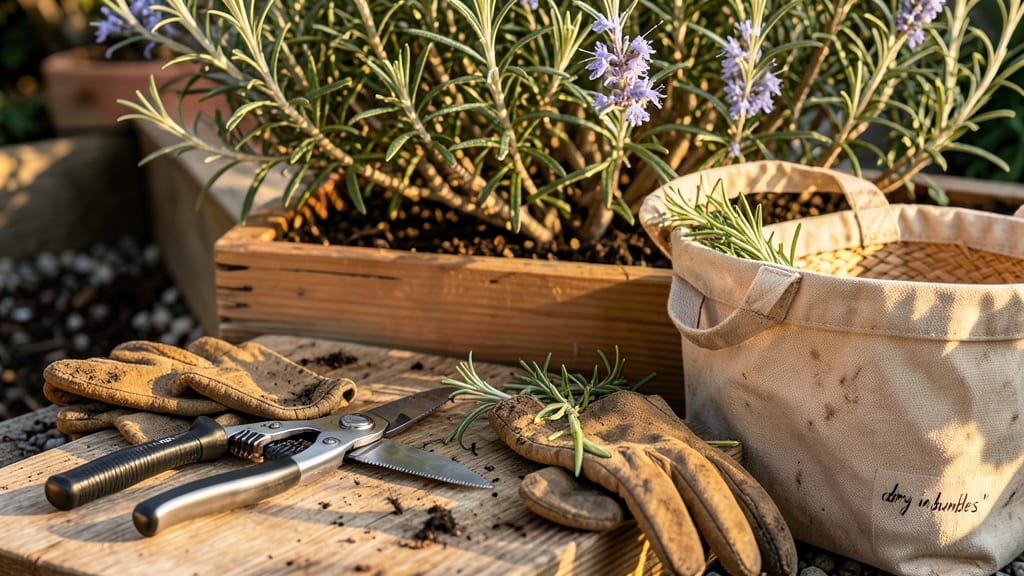
Harvesting rosemary at the right time unlocks its boldest flavor—before flowering, when the stems are sturdy and leaves hum with aroma 🌿.
You’ve probably reached for a sprig only to discover it’s lost its punch, or worse, your plant looks ragged after a hasty trim.
The secret lies in timing and technique: knowing when to snip (spring or early summer) and how to cut (never more than a third of the plant at once) keeps your rosemary thriving while preserving that piney, citrusy essence.
This guide breaks down the exact moments to harvest—like when stems turn woody but leaves stay vibrant—and walks you through pruning like a pro. Whether you’re drying bundles for winter soups or freezing sprigs for summer grilling, these steps ensure your rosemary stays flavorful for months.
From the tools you’ll need to seasonal storage hacks, you’ll learn how to turn every harvest into a flavor-packed success—no guesswork required.


When to harvest rosemary for maximum flavor and aroma
Timing your rosemary harvest correctly transforms this hardy herb from good to extraordinary. The best flavor emerges when you cut stems during peak growth phases, avoiding common pitfalls like harvesting after flowering or during heatwaves that concentrate bitterness.
Spring and early fall offer the sweet spot for maximum aroma, but even subtle visual cues can guide your scissors to the perfect sprigs.
Your rosemary plant signals readiness through vibrant green leaves and sturdy stems—never pale or leggy growth. The key is acting before the plant diverts energy to flower production, which shifts its focus away from leaf potency.
In mild climates, you can harvest year-round, but seasonal shifts demand attention to preserve that piney, citrusy essence we all love.
- 1 Spring Harvest (March-May): Cut stems when new growth appears after first frost. Leaves should be deep green and intensely fragrant—this is when essential oils peak.
- 2 Fall Harvest (September-November): Prioritize stems before first frost. Leaves retain maximum oil content as the plant prepares for dormancy, offering a richer flavor than summer cuts.
- 3 Avoid Flowering Stems: Never harvest branches with buds or blooms. Flowering diverts energy from leaves, reducing aromatic compounds by up to 40%. Trim these stems to the base to encourage leafier regrowth.
- 4 Extreme Heat Warning: Harvesting during midday heat (above 90°F) can cause leaves to lose volatile oils quickly. Opt for early morning cuts when essential oils are most concentrated.
- 5 Year-Round Caution: In USDA Zone 8+, rosemary grows year-round. Avoid winter harvests (December-February) when growth slows, as leaves may taste milder and woody.
Your rosemary's age matters too—young plants under 12 months old haven’t built enough essential oils for peak flavor. Wait until stems develop woody texture (about 1-2 feet tall) before your first harvest. This patience ensures your culinary creations shine with authentic rosemary essence.
Watch for new growth after pruning as your plant’s way of saying, "I’m ready for another round!" This regrowth signals that your harvesting schedule isn’t stressing the plant—just the opposite. A well-maintained rosemary can produce 3-4 harvests per year when cared for properly.
One visual cue often overlooked is the leaf color gradient. Healthiest leaves are deep green on top with slight silver-blue undersides. If leaves turn yellow or brown, it’s a sign of overwatering or stress, and those stems should be avoided for harvest.
Pro tip: Crush a leaf between your fingers before harvesting. A powerful piney scent confirms peak flavor, while a faint aroma means wait for better conditions. This simple test takes seconds but ensures you’re harvesting at the absolute best moment.
Remember, rosemary’s resilience means it forgives occasional mistakes, but why settle for mediocre flavor when you can have the best? By mastering these harvest windows, you’ll transform your kitchen herbs from ordinary to extraordinary—one fragrant sprig at a time. 🌿
Step-by-step rosemary harvesting techniques for healthy plants
Harvesting rosemary correctly keeps your plant bushy, healthy, and packed with flavor. The key? Timing and technique—cutting at the wrong time or using the wrong tools can weaken your plant or dull its aroma.
I’ve learned that seasonal pruning encourages new growth, while proper stem selection ensures you always get the freshest leaves.
Before you grab your shears, know that rosemary thrives on regular harvesting. When done right, it rewards you with denser foliage and more potent leaves. The best time to harvest is in the morning after dew dries, when essential oils are at their peak.
Avoid harvesting after flowering—this is when the plant redirects energy to seed production, leaving the leaves less aromatic.
How to Harvest Rosemary: Step-by-Step
-
Step 1: Choose the Right Tools
Use sharp, clean pruning shears or scissors. Dull tools crush stems, damaging the plant and reducing flavor.
-
Step 2: Select Healthy Stems
Look for woody, non-flowering stems with vibrant green leaves. Avoid stems that are yellowing or leggy—these won’t taste as strong.
-
Step 3: Cut at the Right Angle
Make 45-degree cuts just above a leaf node (where leaves meet the stem). This encourages new side shoots to grow.
-
Step 4: Limit Your Harvest
Never remove more than one-third of the plant at once. Over-harvesting stresses rosemary and can kill it.
-
Step 5: Seasonal Schedule
Harvest spring to early summer for the most flavor. In fall, reduce harvesting to allow the plant to harden off for winter.
-
Step 6: Rinse and Store
Gently rinse stems under cool water to remove debris. Pat dry and store in the fridge for up to 1 week or dry for long-term use.
For container-grown rosemary, harvesting is even simpler—just trim back one-third of the plant in early spring to encourage bushier growth. I’ve found that regular pinching (removing the tips of young stems with your fingers) works wonders for compact, flavorful plants.
Just avoid pinching in extreme heat, as this can stress the plant.
Pro tip: If your rosemary starts looking woody or sparse, it’s a sign to prune aggressively in early spring. Cut back one-third of the oldest stems to stimulate new growth. This technique rejuvenates mature plants and keeps them productive for years.
Remember, healthy plants = better harvests. Always use sterilized tools to prevent disease, and avoid harvesting when the plant is stressed by drought or frost. With these techniques, your rosemary will stay lush, fragrant, and ready to harvest all season long. 🌿✂️🌱